Traffic Cardinal
wrote May 15, 2026
Traffic Cardinal
wrote May 15, 2026
Traffic Cardinal
wrote May 15, 2026
Traffic Cardinal
wrote May 15, 2026
The internet these days is a pretty wild thing… You never know what absolute nonsense users are gonna crown next. At times, you could swear the latest viral concept is just a product of the collective unconscious running a high fever. Yet, it’s being pushed into everyone’s feed, getting shared, remembered and in some cases (no use denying it) inching toward the cash. And all that happens long before any respectable marketing team has time to schedule a meeting about it. Today we’ll look at what publishers can learn from those trends, where the opportunity and cringe trap (can’t really do without that) are, and share insights from Mike Waizman, CMO at NGM Game, whose upcoming conference talk at Island Conference may well flip your view of how much bank you can make off silly little memes. Alright, you hooked? Then let’s roll!
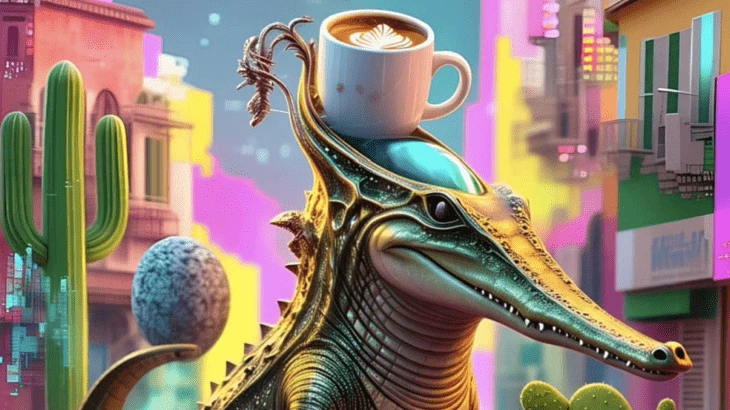
Source: Vocal Media
What Catches On and Why
“LOL, memes sell now,” you might think to yourself. And that reaction makes perfect sense, given that absurd internet trends often look like pure garbage fire. They have no clear logic or tidy message and are very easy to dismiss if you are looking for “brand fit”. However, that surface-level stupidity is exactly where people misread them.
“I think marketers often make the mistake of treating absurd internet trends as random noise, when in reality they usually reveal something very precise about how people want to feel online. A strange meme, a chaotic TikTok format, or an apparently meaningless joke may look irrational from the outside, but inside the community it often carries a clear emotional code: irony, belonging, rebellion, nostalgia, or simply relief from overproduced content.”
Mike Waizman
Chief Marketing Officer at NGM Game
Traffic does not react to message clarity alone, noble as that idea may sound in a strategy deck. It also reacts to recognition and to whether your campaign feels native and reads like part of the culture. We touched on that in our piece on meme marketing too: the meme itself is rarely doing all the work, because it arrives preloaded with context and social shorthand the audience can read in a second.
That is why some bizarre formats travel so easily while plenty of polished creatives barely leave the chair. The absurdity, in other words, is often just the wrapping. The real value is in the shared language underneath it.
After the Spike
Loud trends usually buy themselves a few busy days until they end up in digital landfill. Visibility like this isn’t useless, but it’s not especially impressive either. We all know how the internet likes producing mini-explosions for sport.
According to Mike, the more telling sign of whether the trend might be useful or not marketing-wise is repeat behaviour. If people keep quoting a trend, remixing it, building on it or dragging it into their own cosy corner of the internet – now we’re talking. Instead of a one-off joke that landed once, you are looking at a trend that has left its original container and begun living elsewhere.
So the first burst of noise is often the least interesting part. The better question is what survives once that novelty wears off. Does the audience keep carrying the thing around on its own? Does it influence what they click, remember, share or instantly recognize later? If you answered those two questions affirmatively, chances are, you've stumbled onto straight-up gold. Way beyond just a trend.

What This Changes for Marketers
Weird internet culture gets attention, we figured. But what does it change for publishers who are trying to sell, pre-sell, warm up or at the very least stop people from scrolling past their offers?
For starters, brainrot trends remind us that audiences don’t always respond best to polished and fully explained content. Quite often, they go for things which are less obviously assembled by suit-and-tie men inside approval chains. Native, coded, unfinished in the right way and, well, sometimes absurd. That has consequences for affiliate work, because these days campaigns work better if they look like they belong on the platform rather than try to extract value from it.
Mike’s point about younger audiences is especially useful here: they are frighteningly good at spotting forced relevance. That is, when your content is “trying too hard”. They have grown up watching brands try to wedge themselves into every trend and they are not exactly grateful for the effort.
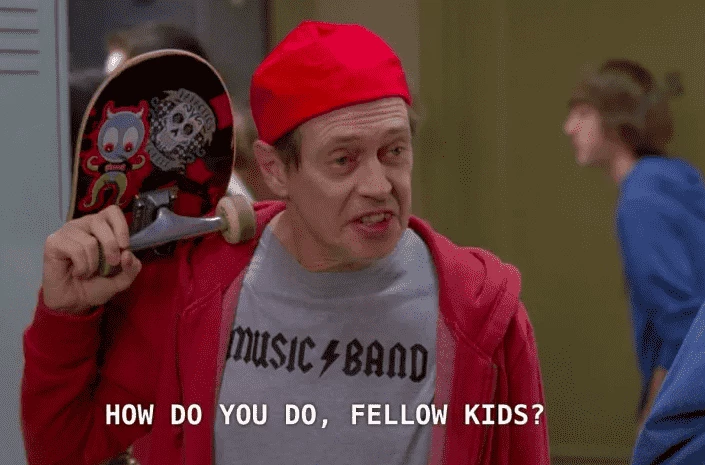
If you miss the tone or overplay the joke, they will notice immediately. And worse, they do not just ignore it. They pick it apart, parody it and collectively decide you were never invited in the first place.
Affiliates don’t need to copy internet culture in its raw form and God knows many of them should resist the urge. But they do need to notice:
what kind of content feels shareable;
what kind of humour lowers resistance;
what kind of visual language reads as native;
where the audience wants room to participate.
The potential to embarrass yourself here is huge, though. Some people just borrow the surface of a trend (phrases, jokes, visual style, etc.) and leave the rest behind. The context, the timing or the reason people liked it in the first place are… gone. So simply placing your offer’s logo on a meme won’t make your campaign relevant. Which is a bit inconvenient for anyone still hoping the old broadcast model will magically start charming people again. Know it, dodge it.
Where’s The Money?
That, of course, is the question. Internet culture can get people watching, laughing, remixing and passing things around, but where exactly does the earning part begin? This is why Mike Waizman’s session in Limassol is worth watching.

He says the real opportunity is not in copying whatever happens to be popular today, but in spotting patterns early: how people build identity, seek entertainment, turn absurdity into community and let digital rituals shape commercial decisions. Mike and his team have already made that logic pay off in a very big way and at the conference, he’ll share how that success came together.