Traffic Cardinal
wrote January 26, 2026
Traffic Cardinal
wrote January 26, 2026
Traffic Cardinal
wrote January 26, 2026
Traffic Cardinal
wrote January 26, 2026
Snoop Dogg has sold a lot of things in his life and now he’s launching a casino. Don’t know about you, but to us, it makes perfect sense. And actually, celebrity gambling projects aren’t that new. For quite some time now, athletes, actors and pop stars have been taking turns to make iGaming look safe and socially acceptable. However, such collabs are a double-edged sword: they either walk away richer or walk straight into lawsuits.
So where do regulators draw the line between promotion and responsibility? Why could Snoop Dogg’s case be different from the high-risk promo deals that already burnt others? And what does that influence-versus-legality standoff mean for marketers pushing traffic in this niche? Let’s talk about it.
Celebrities + Casinos Mashup Trend
Online gambling is crowded these days. Platforms launch one after another, but the problem is, they are vying for roughly the same audience. Eventually, they just hit a wall – there’s only so much attention to go around, alas. People are no longer impressed by better UX or exclusive bonuses, because gambling ads blur together when you’ve seen too many of them. So competition shifts from product to visibility and instead of “how do we build this better?” platforms are asking themselves “how do we get anyone to look at it at all?”
Alright, riddle us this. Who already has attention? Who comes with their own crowd, already warmed up? Now, a sharp-eyed reader like you wouldn’t have missed the title… So let’s not beat around the bush. The answer is, obviously, celebrities.

The next-level detail we can’t skip here is that some of their audiences often sit well outside the usual gambling ad loop, meaning there are many potential users those platforms wouldn’t have reached otherwise. Bear with us to unpack this part with examples later. For now, it’s enough to understand why casinos keep reaching for famous names.
So yes, fans transfer trust (or, at least, curiosity) from a celebrity to a product. That effect is measurable, there is even research to back it up:
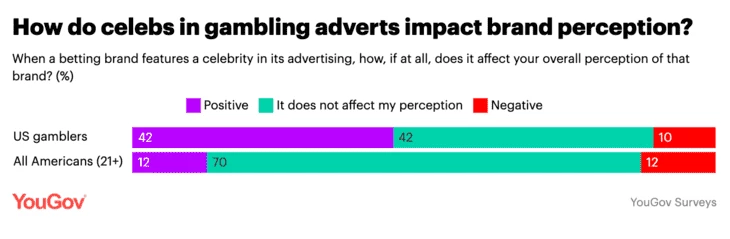
Surveys show that many online players do view gambling brands more positively when a celebrity is involved. That doesn’t mean they fully buy into it, though. They know endorsements aren’t charity and celebrities get paid. This attention bump works (not blindly and not forever), but the skepticism is still there, because authenticity never goes out of style.
Inside the US iGaming Legal Maze
Gambling law in the US is a patchwork. Each state does its own thing, so you basically have fifty markets instead of a solid one. Options galore, knock yourself out: some states allow online gambling, some allow parts of it, some allow it only if you do A, B, C and the rest of the alphabet, and many still don’t allow real-money play at all. Sounds chaotic? Good, you are following. There is no single rulebook you can rely on, which is why every conversation about legality in iGaming starts with “well, it depends…”
We’ve tried to untangle this more than once. First by checking where things actually stood back in 2023:

And later by laying out where online gambling was legal a couple of months ago:

Both times, the conclusion was the same: those rules are like quicksand – just when you think you’ve got it figured out, it shifts beneath you.
However, “social casinos” and sweepstakes models found their place in the regulatory gaps. They were framed as free-to-play or reward-based, and thanks to this loophole some platforms managed to operate in several states without a traditional gaming licence. Not gambling on paper, but in practice… well.
For a while, it was a comfortable grey zone. Regulators watched, frowned and mostly let it slide. But now, according to Gambling Insider, states are drawing harder lines. A few states have already moved to shut these models down explicitly. Elsewhere, regulators are doing it the long way – they polish the definition of illegal gambling to shrink the wiggle room.
Many Ways to Sell the Play
Big names have been lending their faces and voices to casinos for years.
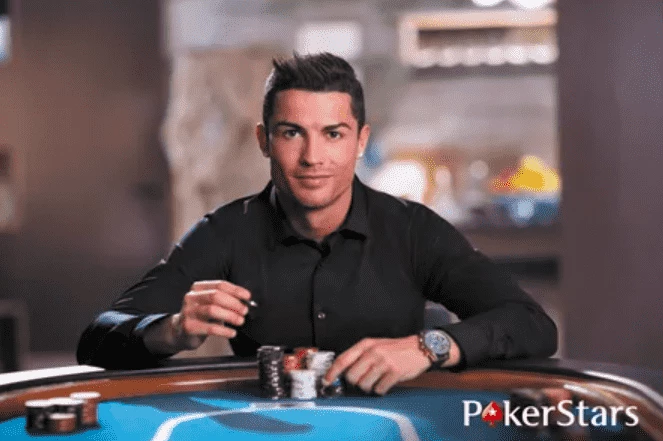
Cristiano Ronaldo did it with PokerStars. One of the most recognisable athletes on the planet, with global reach measured in hundreds of millions, he’s undoubtedly a role model for many boys and men. When someone like him talks poker, you don’t have to oversell it, the scale does all the work.
Source: PokerNews
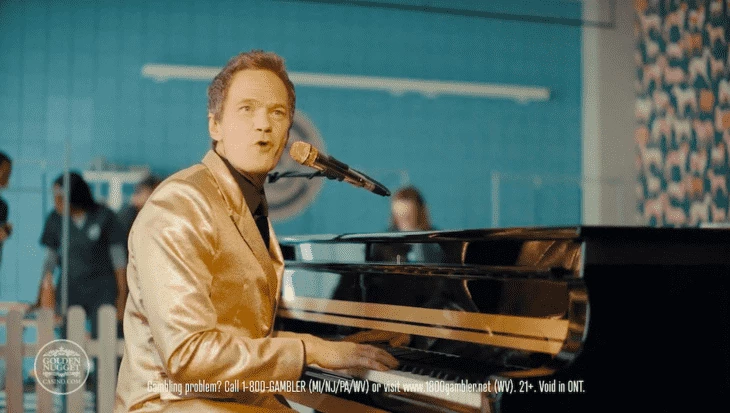
Neil Patrick Harris, famous for “How I Met Your Mother”, sang a whole set of catchy tunes as a part of Golden Nugget commercials. His Broadway-level charisma and “you’ve seen me on TV for years, relax” energy hit a very different nerve. Online gambling has rarely felt so friendly and harmless before. It’s disarming, on purpose.
Source: Muse by Clios
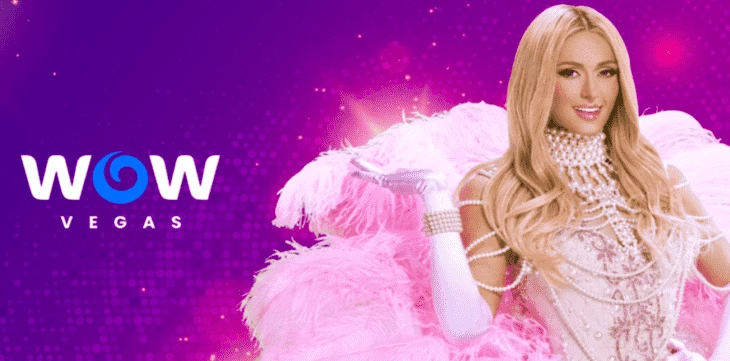
We can’t pass by the glamorous angle either. Who else would nail it better than Paris Hilton? WOW Vegas chose this glossy early-2000s icon with hyper-feminine branding to promote their services to whoever digs this vibe.
Source: ATS
But now let’s talk about rappers. When gambling needs to look effortless and cool, their lifestyle fit is almost too perfect. Two of them took that role, however, their stories couldn’t be more different.
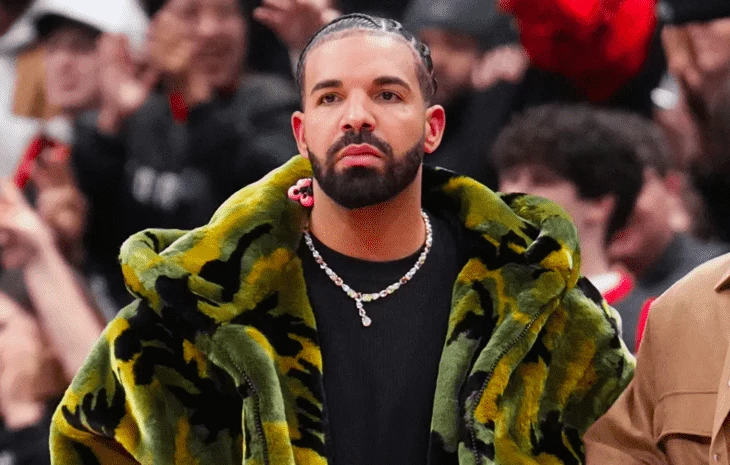
Drake and his partnership with Stake.us are a recent reminder how thin the ice can get. According to Lexology, in several US lawsuits, plaintiffs argue that even though this platform positioned itself as a social or promotional casino, in practice, it was much closer to real-money gambling. The claims focus on how the product was marketed, how users understood its legality, and whether that understanding was misleading. Drake isn’t accused of running the casino or setting its rules, but his betting streams and social posts made him inseparable from how the platform was perceived. He learnt this the hard way: mess with a regulatory grey zone and your traffic will go hand by hand with scrutiny.
Source: Billboard
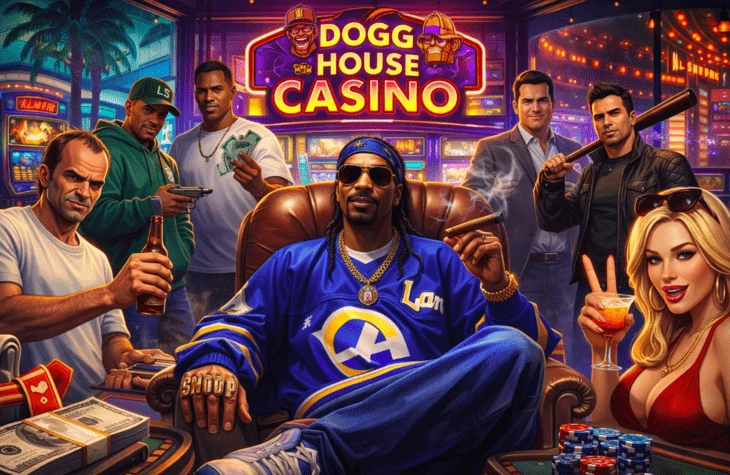
Snoop Dogg breaks away from that script. His role in Dogg House Casino goes way beyond promotion. Trivelta, the iGaming company behind the platform, keeps stressing that Snoop wasn’t hired to smile at a camera and read copy. Trivelta’s CEO, Carson Hubbard, has also been explicit about this in interviews: Snoop Dogg is more of a creative partner who helped design an entertainment experience around his identity.
The rapper had a hand in everything that makes this casino, as he put it, “exactly the way I wanted it”. The platform heavily leans on sound, featuring custom audio and music tied to his style. Visually, it follows the same logic, with graphics inspired by a West Coast aesthetic. He even shows up inside the games as a character!
That distinction matters, because it puts Snoop Dogg’s involvement in a very different category from the usual celebrity casino deal.
Source: Casinolister
To be clear, it doesn’t grant immunity. The law stays the law. But when a celebrity is presented as a creative contributor rather than a paid mouthpiece, the perception does change. The regulatory interest is still there and that nuance doesn’t remove the risk. Though, in a way, it might soften how that risk is interpreted.
Seen in context, this casino partnership didn’t come out of nowhere. Snoop Dogg has been monetising a very specific lifestyle for years. Hats off to him for being very consistent about it: clothing lines, cannabis brands, spirits and wine collabs… and get this – even an 18+ film he directed himself. So a casino just completes the set. Sex, drugs and hip-hop instead of rock’n’roll. Now with blackjack.

Conclusion
Celebrity involvement in iGaming isn’t going away. If anything, it became more sophisticated. Today we’ve seen that partnerships can be designed to move traffic fast or shape perception over time. Regulators and courts notice the difference, and so should anyone working close to these offers. The line between promotion and participation is very thin in this niche. And it’s only getting thinner.