Traffic Cardinal
wrote March 30, 2026
Traffic Cardinal
wrote March 30, 2026
Traffic Cardinal
wrote March 30, 2026
Traffic Cardinal
wrote March 30, 2026
Affiliate marketing is not universally known as an art form: we analyze, repurpose outdated creatives, and inspect new patterns, discovering tendencies and making them work to our advantage.
Well, it’s only one way to look at it. We strive to preserve the creative streak and mix it with a more scientific approach. Not only do we resort to proven methods of data analysis, but we also employ psychology and user research to provide a full picture called Conversion Rate Optimization.
If you’re not familiar with CRO, let us talk you through the process: we know how to turn your existing visitors into leads.
What Is Conversion Rate Optimization?
Whether you like it or not, we always start with a definition — it helps to understand if we are on the same page. So, this article is not any different from others in this respect: first, you learn the term, then you delve into the subject.
Conversion Rate Optimization, further abbreviated as CRO, is a set of tactics aimed at improving digital experiences to increase the percentage of customers — users who complete a desired action.
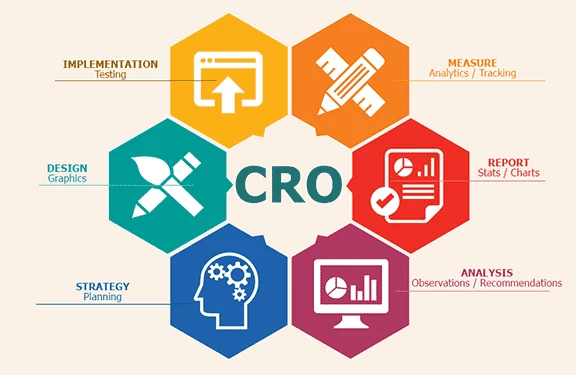
Strictly speaking, all conversions can be divided into two major groups: micro conversions and macro conversions. In the first category, users are invited to accomplish a smaller action (adding a product to cart, clicking a button, etc.), while macro conversions represent affiliates’ primary goals — completed purchases or sign-ups.
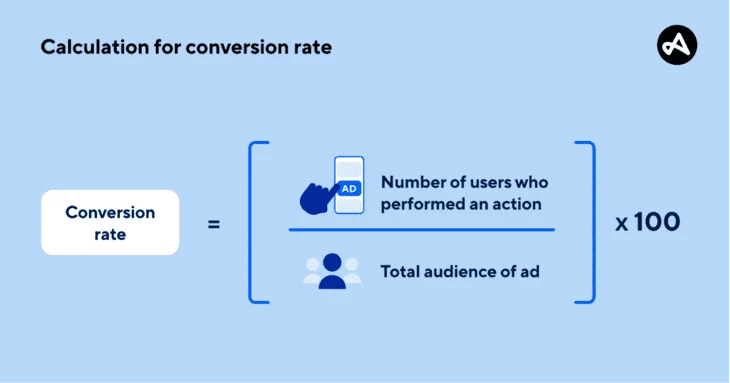
Now you’re probably wondering if there is any formula for calculation. Actually, yes, there is: to calculate your conversion rate, just divide the total number of conversions by the total number of visitors. When done, multiply the result by 100. It should look like this:
50 (conversions) : 1000 (total visitors) * 100 = 5%. Voila, here’s your conversion rate.
Why Conversion Rate Optimization Is Important
Although we really want to jump directly into the topic of conversion rate optimization strategies, we must clarify why you should jump directly into the topic of said strategies in the first place. Well, the biggest benefit in that regard is that CRO can increase revenue without you delivering even more traffic — you just define the patterns of how existing visitors interact with your site and capitalize on it, improving the results.
Then, the proverbial ROI, a metric everybody’s chasing. Essentially, this is how you make your campaigns more effective and ensure that more visitors convert once they arrive. However, it’s not where we stop: another key advantage, though somewhat receded into the background, is enhanced UX. While CRO is focused on data analysis and psychology — or at least this is what you might imagine — it also tackles the design of the website, implying that the pages users interact with remain intuitive, fast, and easy to navigate. Unsurprisingly, user-friendly sites attract more people, and these people are more likely to convert, since they understand what they are doing and how they are doing it.
Speaking of psychology, CRO can provide unexpectedly deep customer insights by identifying patterns, analyzing them, and testing different variations.
What Is a Good Conversion Rate?
A good conversion rates depends on the type of marketing you’re currently dealing with: it cannot be the same for eCommerce, SaaS, and lead generation — the details vary by a large margin, because in every niche we have different audiences and work by different business models. The abovementioned eCommerce, for example, often involves more immediate purchases, while SaaS conversions may take longer and involve several touchpoints.
It’s not that we’re trying to scare you away — we’re simply letting you know that you should never chase industry averages; sometimes success is all about setting realistic goals.
Why Users Convert (and Why They Don’t)
Finally, we have reached a very interesting list: in this section, we clarify why users convert — or, more precisely, what prevents them from following your desired route.
Evidently, we should start with user motivation and intent, two key drivers of conversion behavior. Those visitors who find your site and appear with a clear purpose of buying your product or ordering a service from you, are — expectedly — more likely to take targeted action.
Number two on our list is trust that comes hand in hand with social proof. Testimonials and reviews help people get a clearer impression of your product and reduce uncertainty — we can call that a vital step of website conversion rate optimization that can change the odds in your favor.
But what can cause friction? Remember what annoys you the most when you surf sites: a site loading unfathomable two minutes feels like a waste of time; incoherent blocks with confusing navigation, or lengthy processes. Sounds familiar? An average user isn’t too different from you in that regard, so what irritates you, irritates them as well. But this isn’t the only thing you should keep in mind — there’s also a set of psychological triggers that play a significant role in your campaign.
When a user sees a comment “last call”, “only product”, etc., they feel tempted to get this one product because they might never encounter another one for this price. If you aptly use the tactic in your campaign, you will be surprised to see how well it performs.
Core Elements of a Successful CRO Strategy
Website conversion optimization is a multistep process, which consists of several components.
Calls to Action (CTAs)
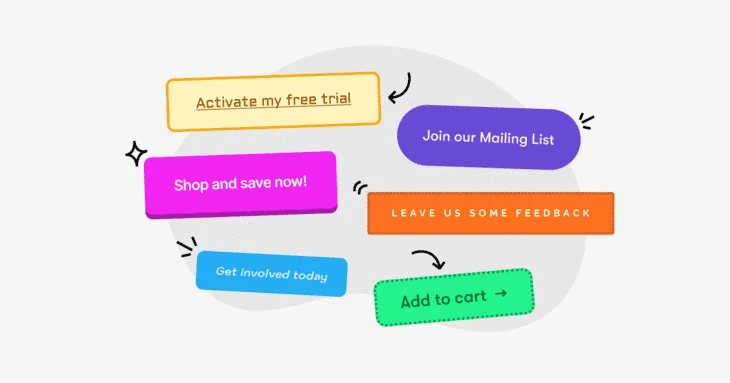
Nothing could be more evident than CTAs at the end of every block — and nothing is just as effective as that. It won’t be an understatement to say that CTAs are a centerpiece of any conversion rate optimization strategy, as the clear and persuasive message it contains defines what is expected from the user and prompts people toward taking the action.
Landing Pages
Landing pages can improve your rates and make them go sky-high if you know how to use them. Of course, you’ll test several approaches, but our recommendation is this: keep the layout clear, devoid of distractions, and insist on a strong value proposition.
Product & Pricing Pages
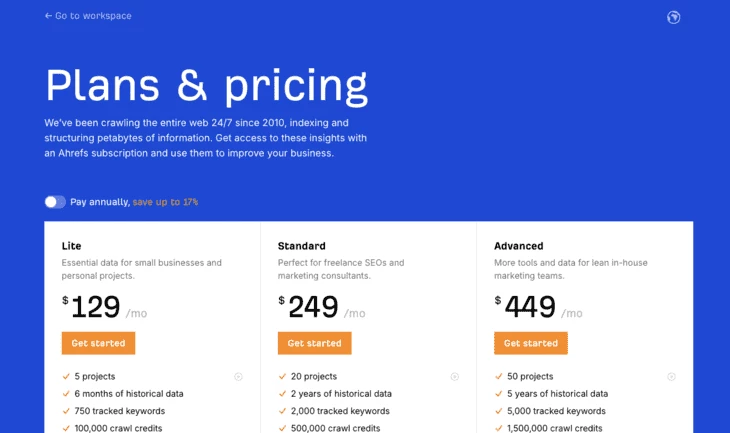
Gone are the days when marketers replied with a simple “DM for the price”. It is counterproductive and annoying, as people quickly lose interest when they don’t get the information immediately. The bottomline is that you should both highlight the benefits of your product(s) and place clear price tags because this is exactly what can impact your sales.
Website Copy and Messaging
Another important component of a successful cro strategy is the messaging you use on your sources. As in the previous aspects we’ve covered, clarity and persuasion make the move by address the user’s needs: website copy, in this case, acts either as an assistant, or as a friend who nudges the person to the right decision.
Forms and Checkout Process
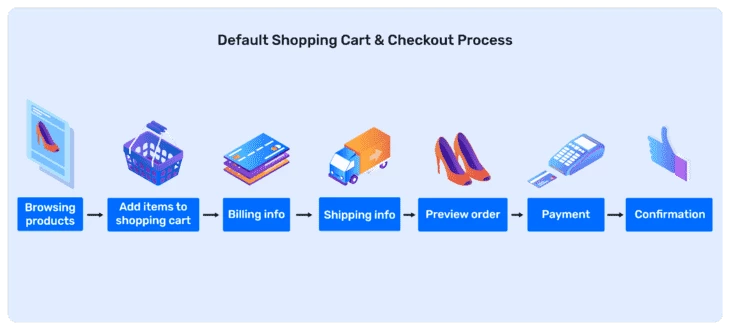
The conversion rate optimization process cannot be limited to text. Unsurprisingly, all the forms on the website — checkout included — should be straightforward, leaving no space for confusion. Remember, you’re not creating a maze with a Minotaur about to ambush. If we proceed with this metaphor, you get Minotaur to bring the product and show people the right way to the checkout section.
Navigation and Site Structure
What do you do when you can’t find the information on the site? Highly doubtful that you go to the search tab and type in your query. Even more improbable action is to keep looking for the details on the website in question — you just leave it be, vexed and irritated. You certainly don’t want that for your potential customers, so tweak the settings and improve the usability of your website — sometimes it’s just enough to enhance your website conversion rate optimization.
Mobile Optimization
Right. The observation is no longer revolutionary: if you keep an eye on the modern trends — and you undoubtedly do — you probably know that mobile devices are omnipresent, and ignoring them might cost you your reputation (in certain cases). Here’s our piece of advice: optimization doesn’t end with PCs. Other gadget are also to be taken into consideration.
Page Speed & Performance
We might have broached it somewhere, but it always pays off to mention such an important thing again: people won’t wait two excrutiating minutes to check out your product, they have better things to do and more TikToks to watch. Make sure your pages load fast and the user is pleased with overall performance.
The Conversion Rate Optimization Process (Step-by-Step)
Website conversion optimisation may sound like a nightmare when you hear the phrase for the first time, but the more you delve into the subject, the better you understand what it is. Spoiler: not even a half as excruciating as you might have imagined.
Step 1: Analyze Data and Identify Bottlenecks
You know where to take your data, and, actually, this is how you start: you examine the patterns your users follow, what they do and what they don’t; you define where the problem arises and what exactly deters them from using your site further.
Step 2: Generate Hypotheses
Time to develop a hypothesis regarding that problem: arrange a brainstorming session with your team to generate ideas why it all works the way it works and what can be done to prevent users from bouncing. Grab your user data insights with you because each cro process proposition you present to your should go hand in hand with the findings you have.
Step 3: Prioritize Opportunities
You can’t test several things at once — it is either technologically challenging or simply counterproductive — so you should choose your major focus.
Step 4: Choose a Testing Method
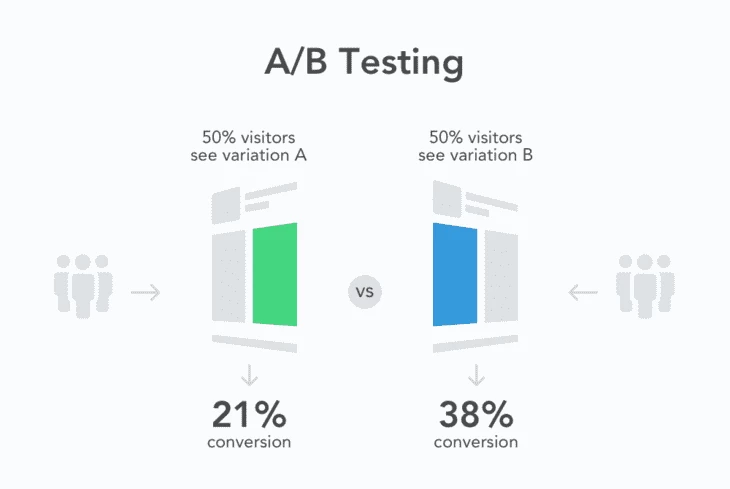
The testing methods, which in this articles can be called conversion rate optimization techniques, mostly imply two types of testing: multivariate testing, which tests several variables simultaneously, or A/B testing you’re probably well-acquainted with. You can choose either option, but the result depends on what exactly you want to discover and the amount of traffic you have available.
Step 5: Run A/B or Multivariate Tests
The verb ‘optimize’ seems overused by now, but this is the only way to express the idea we want to convey in this paragraph. As we have previously stated, you can either do the MVT testing, which analyzes how your headlines, images, and CTA buttons work in tow, or A/B testing (interaction between the elements). Once you have the results... contemplate the changes.
Step 6: Analyze Results and Implement Learnings
Okay, time to sit down with a pencil and mark every detail that attracts your attention. You must perfectly understand the results you get, and only after you examine them, can you refine your hypotheses and implement the changes.
How to Identify CRO Opportunities in Your Funnel
You might be a little lost: although we’ve covered all the steps, effective web conversion optimisation might still seem a trifle complicated — simply because you don’t know which techniques should be applied precisely.
Homepage Optimization
This is a strong number one. The homepage of a site is often the first touchpoint, the first interaction between the user and the brand, so you should make sure this interaction is smooth, clear, and doesn’t confuse the customers. Examine the blocks and the layout, check the buttons, and the texts scattered across the page because this is what matters — and what emboldens people to continue their acquaintance with your brand.
Product Pages
The user passed the homepage trial and moved on — now they want to examine the product pages. The pattern is usually predictable: they breeze through the pics, read the descriptions, scrutinize the reviews, and, eventually, return to the drop to cart button (or don’t — that depends on how refined your approaches are). Your goal here is to make the product pages appealing to look at, but at the same time, they should present the item in a favorable light.
Pricing Pages
We’re passed the query “cro meaning marketing”, but it doesn’t mean we can’t backtrack and refresh the memory. So, CRO is a component for marketing, and in marketing, we use pricing details as both part of the user acquisition tactic and clarification technique. People want transparency, and it’s in your power to give them that, so place the price tags strategically and supply them with persuasive elements or, if you see fit, CTAs.
Checkout Flow
In all honesty, checkout deserves its own section, as it is often considered to be one of the most sensitive aspects of the entire campaign. Is it complex? People won’t continue. Does it rush people into buying products? It might not work either. Timing is of the essence, and the potential buyer should be prepared to press the button, especially if we speak about cro ecommerce performance.
Lead Capture Forms
Not as sensitive as the previous one, but just as intriguing — meet lead capture forms, which are also expected to fit the bill: keep them simple and intuitive, don’t inundate them with information and refrain from piling users under tons of details you want to mention there.
Ecommerce Conversion Rate Optimization Strategies
eCommerce is one of the most popular niches in affiliate marketing, so chances are you’re in the vertical — or planning to dive into it, and we want to make your landing just a tad smoother.
Create High-Converting Product Pages
Cro content is a term that can describe a tangle of persuasive copy, compelling visuals, and clear benefits mentioned in the description to product pages. High-converting product pages have everything in the right place, and you should check out successful sites before you try to pull off something similar, because even the tiniest detail matters.
Use Incentives and Limited-Time Offers
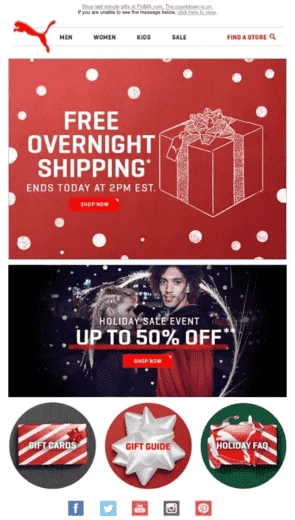
Don’t be shy to use incentives — sometimes people, most likely (un)diagnosed with the plague of the 21st century, ADHD, simply forget that you have a discount or the offer in question is limited in time. First, you create a sense of urgency. Second, you reduce hesitation. Third, you remind people, whose attention has been deflected, that your product has X% off.
Simplify the Buying Process
Important: don’t over-simplify, just make it clearn and understandable, so users don’t have to look for the right button to proceed to checkout. The main idea here is to remove barriers, so the user is guided through different stages without being interrupted. But it doesn’t mean you must push them all the way — be subtle.
Improve Site Search & Navigation
Have you ever come across sites that give you thousands of result but fail to give you that one query you have been looking for? Yes, and you certainly don’t want that. Chances are that the users who were disappointed in the search on the website, might start looking for the option they needed manually, and this is your strong suit: navigation should be intuitive and user-friendly, and, perhaps, sprinkled with just the right number of other products people might want to get as a bonus.
Build Trust (Reviews, Guarantees, Security Signals)
Reviews are a big yes, especially when it comes to pricey products. People want to know that the product they’re buying is as good as they imagine and works the way they expect it to, so it’s important to demonstrate that this is indeed the case. At the same time, anyone can get a faulty product, and that’s not exactly your fault as a manufacturer — but you can guarantee a replacement or a refund. Of course it may be a little sad, but in the end it builds trust and credibility, which establishes a certain public image and reputation.
Optimize for Mobile Commerce
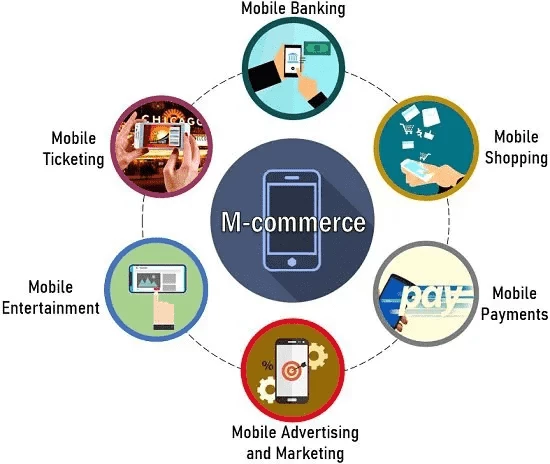
We’ve spoken about mobile devices, and, honestly, the topic can’t be emphasized enough. The design is one thing (the blocks should still be aligned and in place; the sizes and resolution should be taken care of), but then there’s such thing as loading time, scrolling variations (infinite scrolling or pagination), etc.
CRO Best Practices
If you’re old as we are, you probably can recall music charts on MTV or other channels... We won’t mimic that right now, but we will make up a list of the best CRO practices.
Let Data Drive Decisions
You should pay heed to two things: solid data and user behavior, learning where they bounce, where they stall, what prevents them from moving forward down the funnel, and what captures their attention.
Test One Change at a Time
Can you test several variables at a time? Easy. Will it be representative? Hardly. Problem is that if you test a few things at a time, you won’t be able to comprehend which one exactly impacts your campaign. Take one step at a time to find out where the issue is and react accordingly.
Reduce Friction
Remember your own experiences with various sites: did you notice any unnecessary steps? What were they? Did you ever feel exasperated trying to discover one particular feature you knew was there but was shoved so far into the pages that it needed King Arthur to pull it out? If yes, you can imagine what to avoid, otherwise not even brilliant seo can engage your users for long enough.
Validate Assumptions with Real Users
That’s where assumptions finally come in, but whatever they are, they should be validated by real users. Consider planting a feedback field somewhere nearby to see what people truly think about your endeavors.
Continuously Iterate
CRO — just like many other processes in affiliate marketing — is an ongoing thing that requires constant learning, testing, and refining. That said, continuous iteration helps maintain performance improvements and adapt to changing user behavior, which sometimes can be absolutely unpredictable.
CRO Testing Methods Explained
We have briefly touched upon the subject in previous paragraphs, and now we want to elaborate.
A/B Testing
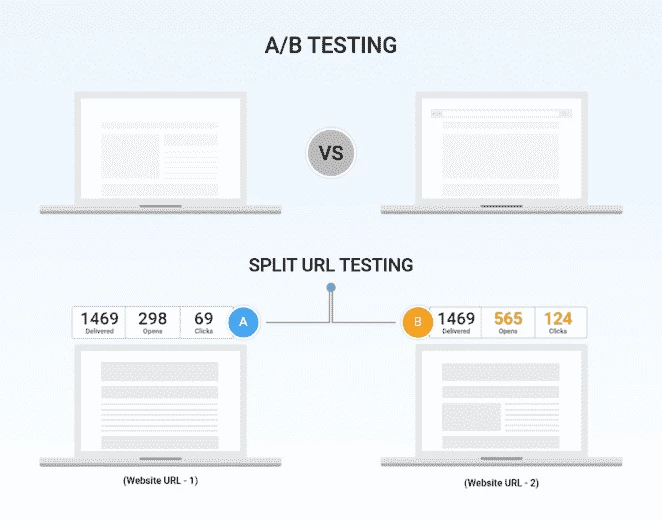
You have undoubtedly heard about this one: A/B testing is widely used in all of affiliate marketing, not necessarily in regard to CRO methods. During A/B tests, affiliates normally compare two versions of a page to define which one works better and why.
Multivariate Testing
This is a trifle more complicated as it implies several variables at once — essentially, you want to understand how different combinations of components work together. Usually, affiliates resort to multivariate testing when they want to see which combination of changes results in a higher conversion rate.
Split URL Testing
Yes, we’re still on the same page (ignore the pun, it was unintentional): it still implies testing two different versions of a page, but this time they are hosted on separate URLs. We don’t normally mention this particular approach as it is normally used for testing major redesigns or layouts that have nothing in common with each other.
Usability Testing
Backtrack a few paragraphs where we asked you to think about the most exasperating sites you’ve ever visited — this is probably the test these companies didn’t pass or refused to take. During the test, you’re supposed to find out what causes confusion in users and which aspects of usability should be improved to keep people engaged.
Heatmaps & Session Recordings
Point one: heatmaps are literally maps — they show where users click. Point two: session recordings capture user journeys, however intricate. Point three: Both are pieces of visual information you can use to improve your conversion rate.

Conversion Rate Optimization Tools
It’s not a secret that affiliates can achieve any goal, no matter how fantastic it may seem. But even the most resourceful ones need optimization tools — and here’s the list with the most impressive ones.
Analytics Tools (e.g., Google Analytics, Adobe Analytics)
Analytics tools always take the first place — without them, all information above or below would make absolutely no sense. Analytics tools do a variety of things: they track traffic sources, conversion data, and user behavior, and you won’t be able to adjust your settings and adapt to the changes if you don’t see the patterns.

Behavior Analytics Tools (Heatmaps & Recordings)
While it is similar to the previous option, behavior analytics tools are nonetheless a little different, as they visualize how users interact with your site. Here we speak about usability issues and engagement patterns, which provide deeper context for users' actions.
A/B Testing Platforms
Obviously, you don’t conduct tests on your own; there are special platforms that help you do it in no time. Not only do such platforms provide the right infrastructure for such a test, but they also supply you with the necessary features to measure the results accurately.
Survey & Feedback Tools
Although people don’t often take polls and answer questionnaires, it’s important to give users an opportunity to speak their hearts out and express their concerns and grievances or share positive feedback, should there be any. While heatmaps and Google Analytics work perfectly well, they won’t pry into a user’s mind to reveal their attitude toward your site; and a customer can wax eloquent, if you know how to convince them to leave a comment.
Who Benefits From CRO? (Use Cases by Team)
Affiliate marketers benefit from CRO, but this statement sounds a tad too opaque.
Marketing Teams
These teams benefit from CRO by improving the effectiveness of campaigns and maximizing the value of existing traffic: they analyze user behavior and optimize landing pages to increase conversions.
Product Teams
These are the specialists who understand how users interact with features and interfaces, so once they identify friction points, they can test a few improvements and smooth experiences.
UX/UI Designers
UX/UI designers rely on CRO to validate design decisions with real user data: they test layouts and messaging to refine the final result.
Engineering Teams
Engineering teams can optimize site performance, though mostly on the technical side of things. After all, aren’t they the people responsible for fast testing cycles?..
Data & Analytics Teams
Employees who are entitled to play a central role in CRO by collecting, analyzing, and interpreting user data. They help identify trends, measure experiment results, and provide insights that inform decision-making across the organization.
How to Create Your Own CRO Strategy
Is it even possible in the first place? Yes, if you follow the rules.
Define Business Goals
As it often happens with strategies, you must define your goal. For instance, you can write down a few potential goals (generate leads, improve engagement, increase sales, etc.) and choose the one that feels right.
Set Measurable KPIs
Done with the goals? Perfect, we move one: set clear KPIs for your team to track progress, for example, bounce rate or conversion rate.
Align Teams Around Data
Collaboration across teams is a prerequisite of success, so you all must work with the same data and insights.
Build a Testing Roadmap
A structured testing roadmap helps prioritize experiments and maintain a consistent optimization process.
Conclusion: Optimize Smarter, Not Harder
Conversion rate optimization should never be treated as a set of random changes implemented on a site. On the contrary, it’s a result of strenuous effort coupled with grounded decisions: affiliates use data, test approaches, and examine user insights to refine experiences.
FAQ