Traffic Cardinal
wrote April 03, 2026
Traffic Cardinal
wrote April 03, 2026
Traffic Cardinal
wrote April 03, 2026
Traffic Cardinal
wrote April 03, 2026
Facebook is not dead, and you’re ready for the conversation.
While many webmasters are sniffing the air, chasing fresh blood (metaphorically speaking, of course), the most experienced ones stick to one solid and reliable traffic source — Facebook Ads. We won’t lie, sometimes taking the upper hand is rather challenging due to constant shifts in policies and regulations, but the benefits are always worth it.
The introduction you’re currently reading might be inspiring enough to get you going, but don’t be in haste: you’ll need the information before launching your Facebook campaign, and we are ready to give it.
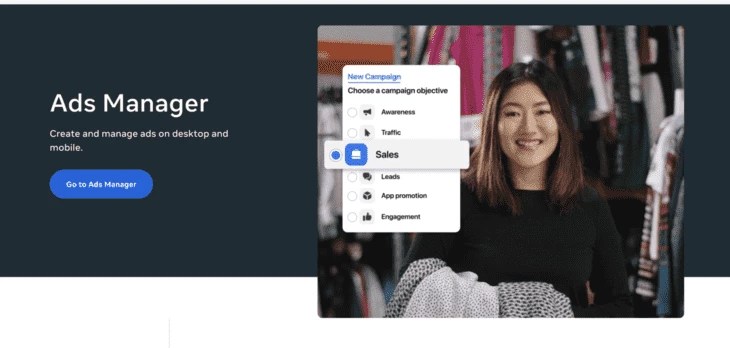
How Much Do Facebook Ads Cost on Average in 2026?
First and foremost, let us make one thing clear: it’s impossible to give an exact number in response to the Facebook ads cost query, but it's not because we’re a lazy team. The costs depend on a variety of factors, and we’ll gradually get to the bottom of it — starting with the most common models available.
Average Facebook Ad Cost per Click (CPC)
While the average cpc here falls between $0.50 and $2.50, the rate still often depends on multiple factors. They may differ from niche to niche and from vertical to vertical, but experts typically broach audience targeting and industry competition, adding that the higher the competition within the niche, the higher the costs.
Average Cost per 1,000 Impressions (CPM)
Here, Facebook advertising cost ranges from $8 to $20 per 1,000 impressions. If you have ever worked with the model before, you know which factors to acknowledge: seasonal trends, ad quality, and, of course, general demand.
Average Cost per Lead (CPL)
Although Facebook ad cost per lead is reported to be between $5 and $30, it often hits an even higher benchmark in high-value industries.
Average Cost per Purchase (CPA)
In the multifaceted niche of e-commerce, Facebook ad pricing ranges significantly — from $10 to $100+. The reasons may not be obvious, so we will name a few right here: funnel efficiency, optimization, and product price.
Cost per Engagement and Video Views
Surprisingly — or not surprisingly, depending on how long you’ve been in the business — there are also Facebook advertising costs for engagement, and they’re generally low — say, a few cents per interaction (by interaction we mean comments, likes, and shares). As for videos, they can cost even less, in certain cases, under $0.01 per view,.
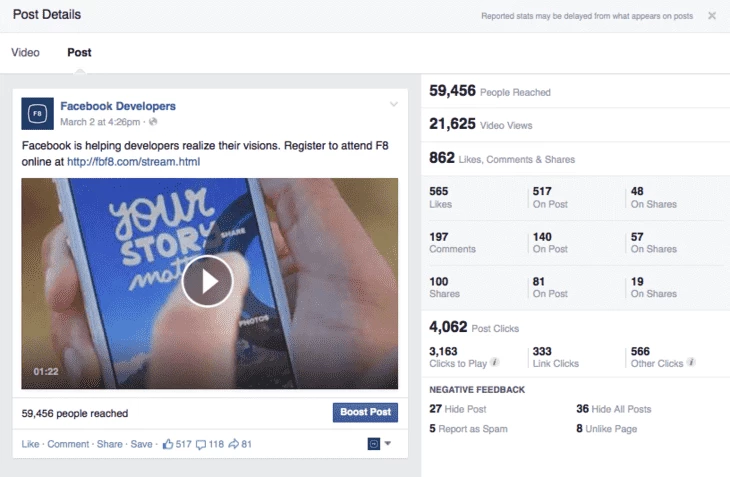
What Are You Actually Paying For in Facebook Advertising?
The entire world is speaking about Facebook Ads and puts them on the list of most reliable traffic sources, but only a few actually explain what webmasters are actually paying for. For clicks? Impressions? Let’s see what Facebook ad costs actually consist of.
Ad Delivery and Auction Competition
If you’ve been wondering how much to advertise on Facebook, you probably have your answer by now, because Facebook is not a platform that blindly assigns you a dubious bid. In point of fact, it is enabled with a flexible auction system, where advertisers bid for user attention, and the final cost will depend on a) bid strategy, b) competition, and c) ad relevance. While your budget is among the important factors, it, metaphorically speaking, does not have the final say.
Audience Access and Targeting Capabilities
The platform’s targeting options have become a legend by now, and this legend is reflected in Facebook ads pricing. Although the targeting settings can be tweaked in every direction, regardless of the criterion (interests, demographics, interests, etc.), this fact alone correspondingly influences the cost. On a brighter side, however, the efficiency is also going through the roof.
Data, Optimization, and Algorithm Learning
Ever heard of machine learning? In 2026, most likely. But algorithm learning that optimizes your campaigns using actual data — that’s not unheard of, but still rare, if you’re looking for the quality-over-quantity type of thing.
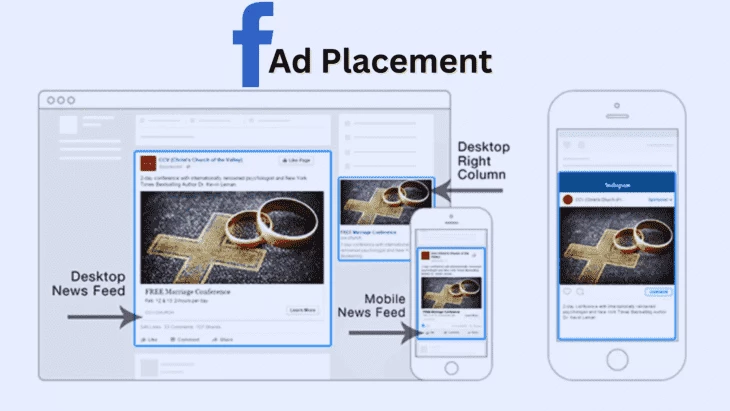
Creative Distribution Across Placements
Finally, automatic placement across other Meta products (Instagram, Messenger, and partner products) is also included in the cost to advertise on Facebook. The advantages are self-explanatory: omnichannel distribution makes your ads visible everywhere.
How the Facebook Ad Auction Works
You asked a question, how much does a Facebook ad cost? And we’ve replied — in more than one sentence, specifying every aspect we could. But we may have overlooked the ad auction, broached in one of the paragraphs above.
Essentially, the real-time auction on the platform doesn’t follow an increasingly complicated pattern: advertisers compete to show ads to a certain audience, and Facebook evaluates a knot of factors to decide which ad deserves to be on top, i.e., delivers the most value to users.
The Three Core Auction Factors
At the same time, each auction has three main components, which determine the winners. The first of them is bid, which reflects how much you’re willing to pay. Second, ad quality, assesses user feedback. Third, estimated action, predicts the likelihood of conversion or interaction.
Types of Bidding Strategies
Facebook also provides two major bidding strategies to give you control over spend and optimization. One of them is predictably called manual bidding — this is where you, as an advertiser, exercise full control over bids. It does sound enticing, but it requires more expertise, knowledge, management skills, and a clear understanding of the system. The other strategy, automatic bidding, centers on machine learning — it maximizes results, while cost cap and bid cap strategies control spending thresholds.
10 Key Factors That Influence Facebook Ad Costs
Your advertising on facebook cost query might imply that you want to know the details, not only the exact number, but the factors that can influence and change that number. We’ve gathered ten aspects you should consider when contemplating the Facebook Ads platform.
1. Campaign Objective
Each campaign has a goal: some affiliates want to attract more traffic, while others are aiming for a higher conversion rate or building brand awareness; evidently, the approaches and tactics for each objective will be different, though they may overlap. As a rule, they have different levels of competition and value, which is reflected in the price: take, for example, conversion-focused campaigns, which target users who are more likely to take valuable actions.
2. Audience Targeting and Size
A serious question: how specific is your audience? If the answer is “pretty much”, it may be more expensive to reach these users. Narrow targeting is known to inflate prices, while general audiences show the opposite trend.
3. Industry and Competition
As you may have already guessed, the level of competition is always brought up in such articles: the higher it is, the higher the bidding pressure and costs.
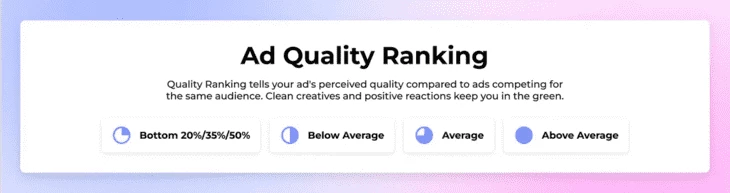
4. Ad Quality and Relevance Score
If your ads resonate with users, it reduces costs: surprisingly, Facebook rewards engaging and relevant ads — it ensures better delivery, and advertisers can finally run campaigns at a lower cost but with higher efficiency.
5. Placement (Feed, Stories, Reels, Messenger, etc.)
Another obvious observation that should be mentioned and dwelled upon: there are no two similar placements; they come at different costs and performance levels. Say, feeds are often more expensive (because, you know, demand!), and Stories — or Reels — can sometimes offer cheaper inventory.
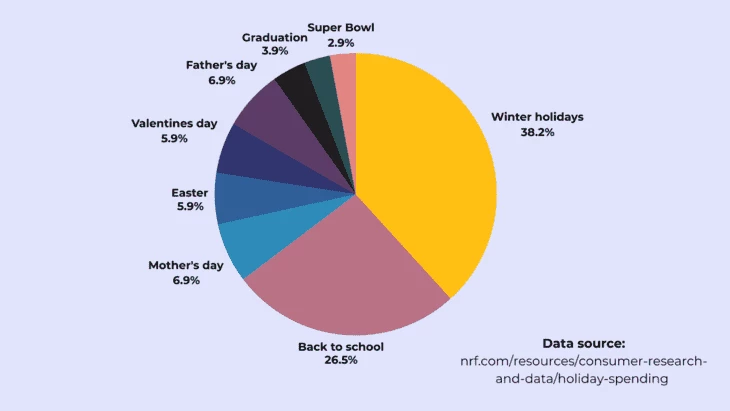
6. Seasonality and Time of Year
Veterans of the industry don’t speak ill of the Black Friday frenzy, but they always remember how exciting a seasonal campaign may be. Hectic, right, but nevertheless exciting. The seasonal aspect, however, affects the price: more advertisers compete for attention ==> prices increase (as ad space surges).
7. Geographic Location
GEO mentioned! The location of your audience directly influences your cost, because some regions tend to be more competitive than others: everybody wants to target a well-to-do American or Swede, and only the brazen ones will consider emerging markets. The result? Reflected in the costs.
8. Ad Frequency
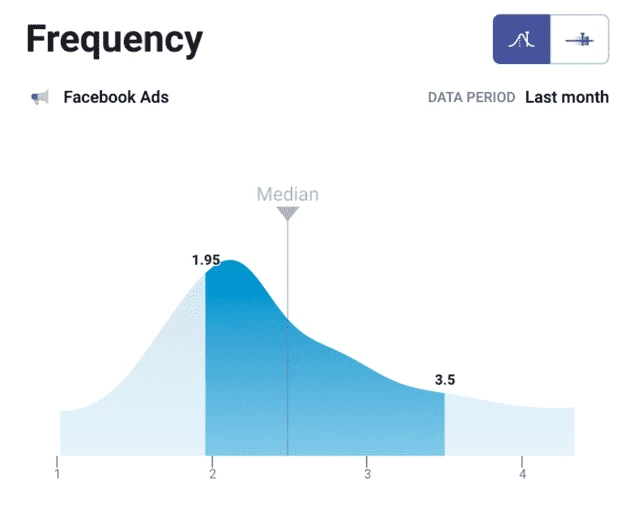
If you don’t have a premium Spotify account, you know the pain in the rear: one and the same ad heard many times throughout the seven-minute span can cause fatigue in God’s strongest soldier, and most people are not God’s strongest soldiers — they will feel fatigue from your visual ad shown repeatedly to them, and the engagement level will drop.
9. Budget Size and Scaling Strategy
An unlimited budget is a dream not achievable by many, but it isn’t a magic pill that solves all your affiliate problems at once: it does improve reach, but in certain cases, it can also increase costs, so examine the scaling strategy you’re about to implement and scale gradually.
10. Conversion Rate of Your Landing Page
A landing page can never be overrated; this is a tool and a magic wand that unequivocally comes to the rescue. Even in a make-me-or-break-me situation, it can improve your conversion rates.
How Much Should You Spend on Facebook Ads?
Estimate your budget and allocate it wisely — that is the first thing that comes to mind, and, generally, affiliates follow this advice without any additional nudge because realistic expectations differ in every niche. However, you should scrutinize this section before you sit down to business and take care of your budget tables.
Minimum Budget to Start Advertising
The good thing about minimum budgets is that you can start — technically! — with as little as $1–$5 per day, but don’t expect great results. The recommendation is a trifle more predictable than you might think: raise the bar to generate enough data for optimization, especially if your intention is to reach audiences with sponsored content.
Budget for Testing Campaigns
Whether you want it or not, you’ll have to test your approaches, creatives, and overall strategies — if you intend to find the winning combination, that is. Experts advise allocating a chunk of your budget specifically for testing.
Monthly Budget Benchmarks by Business Size
The amount of money you can spend during the month depends on the size of your business: smaller business owners may perhaps afford to spend a few hundred or a couple thousand dollars, while larger companies tend to invest significantly more.
How Much of Your Total Marketing Budget Should Go to Facebook?
Usually, companies that recognize Facebook as a primary acquisition channel assign a considerable portion of marketing budget to this platform, but the percentage — again — can be (and, frankly, should be) adjusted based on performance metrics.
Example Budgets: $100, $1,000, $5,000+
Onto illustrative examples!
A $100 budget is good for basic testing. If you aim a little higher and are ready to take a closer look at more structured campaigns and optimization, $1000 should be enough. With a bigger budget, say, $5000, you can afford scaling and audience expansion, with, perhaps more consistent results.
What Does It Cost to Hire Someone to Manage Facebook Ads?
While smaller businesses or solo affiliates deal with Facebook ads on their own, larger companies invest in professionals — freelancers, agencies, media buyers, and others.
Freelancer Pricing
Freelancers are like snowflakes, and their fee structures are also different; you’ll have to negotiate. Luckily, most freelance specialists in affiliate marketing either charge a flat monthly fee or a percentage of ad spend.
Agency Pricing
It isn’t that simple with agencies — this is a far more expensive option than the previous: usually, agencies charge a base retainer and, additionally, a percentage of ad spend, but in exchange, they provide a highly competent team that knows how to streer processes and which strategies to employ.
In-House Media Buyer Costs
We’re going higher in terms of prices. Yes, with an in-house specialist, you’ll incur salary and training costs, but this is a surefire way to guarantee that your campaigns are their primary focus.
Software and Automation Tools Pricing
Tools aren’t always compulsory, but they simplify... pretty much everything, so regardless of your initial point of view, leave some space in the budget outline for automation, optimization, and tracking/reporting software.
What Do Facebook Ad Management Services Typically Include?
Yes, many webmasters do question that, and here’s the answer without unnecessary embellishments. Facebook ad management services typically include: reporting, optimization, ad creation, testing, audience research, and, eventually, strategy development.
Hidden and Overlooked Facebook Advertising Costs
The entire advertising endeavor implies that you will have to spend money on management and other more or less direct fees — that’s the basics of the industry. At the same time, however, there are tangential costs that may transform your whole campaign.
Creative Production (Images & Video)
In 2026, affiliate marketing specialists have learned that videos can gain traction through influencers and users who send and resend them to their friends and acquaintances, but to become viral, one should know the principles of virality. Knowledge, however, is only one side of the coin: you will also need people who are capable of producing the high-quality visuals — videographers, designers, editors, or, at the very least, editing tools.
Landing Page Development
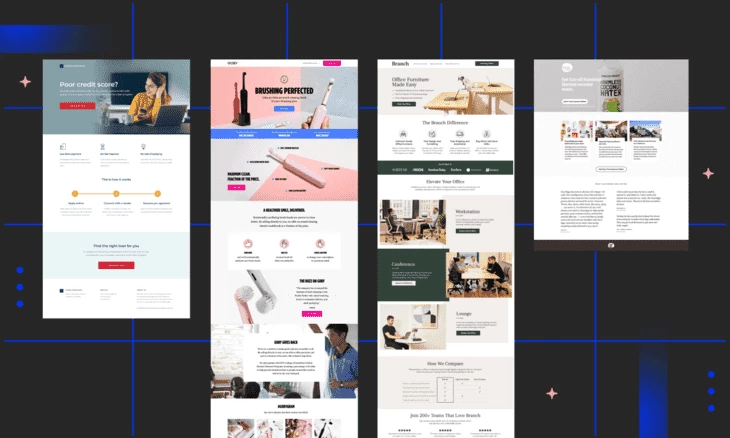
A good landing page builds rapport with potential customers and clients, which, in turn, solidifies trust and entails higher conversion rates. Alas, it doesn’t come for free: if you want to keep it relevant, you’ll have to update it — often with the help of developers and designers.
Tracking Setup and Analytics
Affiliates love their performance data accurate. It often involves pixels, analytics, reporting, and tracking tools, which can provide a multifaceted diagnostics of the campaign. Sure, free software still exists and is available, but it rarely — if ever — can boast the same abundance of functions and features that pertains to paid solutions.
Influencer or UGC Content
Influencers can share their opinion on their socials, and they can become a cornerstone of your campaign. The smaller ones might want to negotiate the exchange basis, but more impressive figures won’t stop at that and ask for a fee.
Testing Budget Waste
No matter how perfectly attuned your funnel is, no matter how refined your processes are, some tests are bound to fail: you overlook your audience, the creative goes unnoticed and flies above the eyes of the spectators, or the settings tweak in the wrong way... the reasons why things may go south are numerous, but that’s the prose of life. Cope with the fact that some money will inevitably go to underperforming tests.
Tools and Subscriptions
Tracking tools aren’t the only thing affiliates may need — creative tools may also be an integral part of the process.
How to Reduce Your Facebook Ad Costs
As you can see, all these ad endeavors can cost a pretty penny, but there’s a way to cut corners. In a way.
Choose the Right Campaign Objective
First step, as always, is to pick the right objective and stick to it: use the tools that help you achieve that goal; buy necessary subscriptions; choose trustworthy reporting and tracking solutions that clarify the picture for you, not divert your attention from the main focus. Remember, mismatched objectives can often lead to wasted money and poor performance, not immediate scaling.
Improve Audience Targeting and Exclusions
Do you know your average user? Sounds a little harsh to start a paragraph with, but you’d better find out who they are and fix the settings, because it will help you understand which CTAs will perform better and which creatives may resonate with your users more.
Use Retargeting Strategically
Retargeting shouldn’t be cast aside. Some users may have interacted with your brand, but forgot to buy something from you: they either had a severe case of ADHD or were interrupted halfway through. Why not send them a reminder — perhaps with an enticing discount to pique their curiosity and subtly nudge them to conversion?..
Improve Ad Creatives with A/B Testing
A/B testing is the New Testament of affiliate marketing, and in our industry, it’s important to understand which creatives trigger an emotional response and which don’t.
Optimize Placements
During your tests, you’ll find out which placements perform best — don’t think twice and seize the opportunity: some placements may deliver cheaper results, helping stretch your budget further.
Control Ad Frequency
Remember when we mentioned Spotify and repeated ads? It causes fatigue. The working principle with visuals isn’t any different: a frequent ad is an annoying ad people will learn to ignore — and it will reduce engagement.
Improve Post-Click Experience
We’ve spoken about landing pages, but there’s one quirk you can improve after the click: improve the post-click experiences to create a memorable moment and show the client that you are grateful.
Scale Winning Campaigns Gradually
Increasing the budget too quickly can disrupt performance. Gradual scaling allows the algorithm to adjust while maintaining stable results.
How Much ROI Can You Expect From Facebook Ads?
Yes, the reply is a trifle predictable, and we don’t mean to beat around the bush: ROI will depend on a variety of factors, including industry, strategy, and, of course, execution. But there are peculiarities.
Average ROI Benchmarks
As a rule, businesses typically expect 2x – 4x, but it all depends on the industry. For eCommerce, it’s 3x – 4x, for B2B, it’s 2x – 5x, and SaaS anticipates a 4x – 7x return.
What Impacts Profitability the Most?
We may have mentioned several factors, but we have never provided a list. Rectifying that here: the key factors that impact profitability are conversion rate, ad quality, and audience targeting.
How to Achieve Above-Average Returns
Actually, the targeting and tracking strategy is what you need to succeed and achieve your previously outlined goals. Set up tracking systems (pixels and APIs), while custom and lookalike audiences help reach high-value users. At the same time, it’s important to keep landing pages in mind — sometimes it is the only thing that requires an update to improve a conversion rate.
Are Facebook Ads Worth It in 2026?
You’ve read such a long article, and now you’re probably ready to hear the final verdict. Well, it is at your disposal: yes, Facebook Ads still remains a powerful channel, but it still requires some expertise, which means that you’ll have to learn how to address unexpected challenges.
When Facebook Ads Make Sense
At the same time, Facebook Ads don’t work for everyone and every campaign in sight — the best results will definitely be provided for businesses that rely on clear offers, operate with strong visuals, and define their target audiences. In other words, if you’re part of the brand that is looking for opportunities to scale and generate leads — that is sure your chance to claim.
When They May Not Be the Right Channel
If you’re only developing your business and exploring the niche, Facebook Ads may not be the perfect channel: you have limited budgets, you’re not sure of your conversions, and the funnels haven’t been tested enough to draw conclusions. In these cases, other marketing channels might be more effective.
Comparing Facebook Ads to Other Paid Platforms
Facebook has its assets and flaws, but it outshines and outranks other platforms in terms of audience targeting and demand generation. Besides, it works extremely well as a part of a broader marketing strategy with multiple channels.
FAQ