Traffic Cardinal
wrote May 27, 2026
Traffic Cardinal
wrote May 27, 2026
Traffic Cardinal
wrote May 27, 2026
Traffic Cardinal
wrote May 27, 2026
At some point in the past, social media made overconsumption look aspirational. A stranger in good lighting said she was “literally obsessed with this product” and viewers would rush to add another object to the pile. The fewer thoughts involved, the better. Being online meant being endlessly bombarded with hauls, “TikTok made me buy it” confessions, Amazon finds and tours of influencers’ bedroom shelves packed like tiny warehouses.
And now the same internet has discovered the radical glamour of… buying less. Restraint is hyped as something cool, which may sound like bad news for affiliate marketers. If the audience wants to consume less, what exactly are we supposed to promote – inner peace? Where will our commission come from?
Don’t lose hope just yet, people are still buying. They are just harder to impress, slower to trust and much more interested in proof, timing, alternatives and the sweet feeling of not being played by the algorithm again. So let’s look at what underconsumption-core really says about consumer behaviour, why this anti-shopping mood still works like a funnel and how you can frame your offers the right way, so that even under these circumstances, your commissions keep rolling in… and then some. Read on!
Why Underconsumption Got So Popular
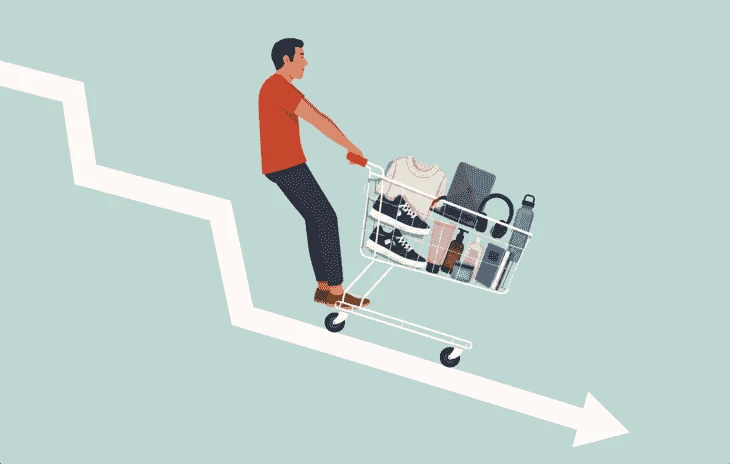
At first glance, this trend may sound like another internet aesthetic, but it’s really a shift in how people talk about spending. The focus moves away from buying for the sake of keeping up and toward buying with more intention.
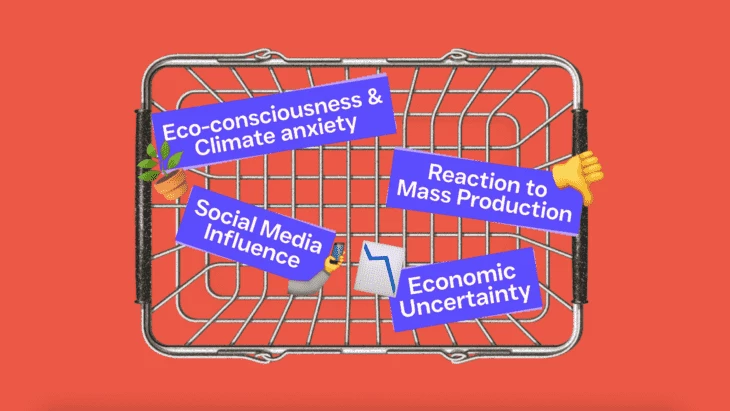
And of course, it didn’t appear out of nowhere. Life got more expensive and casual splurges became much harder to romanticise. Every checkout page now wants a small blood sacrifice and when you add to it climate guilt, overflowing closets and drawers full of barely used products, this backlash makes sense. So buying less becomes a way to regain a sense of control and feel a little less cornered by inflation, waste, influencer hype and constant pressure to solve every mood with a purchase.
Source: Sven
Online, this mood did what every mood does when it gets enough attention. It split into smaller labels, borrowed a few older formats, found its hashtags and became easier to search, copy and perform:
#underconsumptioncore
#recessioncore
#nobuy
#lowbuy
#deinfluencing
#antihaul
#projectpan
#shopmycloset
#thrifting
#frugalliving
#sustainableliving
People got creative with framing too. Financial discipline, sustainability, personal challenge or, pardon our French, a middle finger to the haul economy. Whatever motivates you today, so to speak.
Creators dig out products they’ve owned for years and, annoying as it is for this haul economy, still use. They set no-buy rules, track makeup and skincare empties, compare viral products with cheaper alternatives and talk through purchases they regret. Clothes get the same treatment: items are rescued from the back of the closet, repeated, mixed into capsule wardrobes, repaired or thrifted.
No wonder that after years of content based on constant newness, recommendations like “still works, didn’t replace it” now look weirdly satisfying. This trend gives people emotional relief because it lets viewers feel smarter than the feed. Refusal is surprisingly clickable when the audience is tired of being sold another miracle item. In other words, the opportunity is there. But to use it properly, affiliates first need to understand what changed in the buyer’s head before trying to change the campaign.
How This Trend Changes Consumer Behaviour
People are worried about prices and economic pressure and it’s only logical that when the basics feel expensive, every non-essential purchase needs a better reason.
However, caution doesn’t equal zero spending. McKinsey’s consumer report shows that recession-core buyers often trade down in one category to afford spending in another.
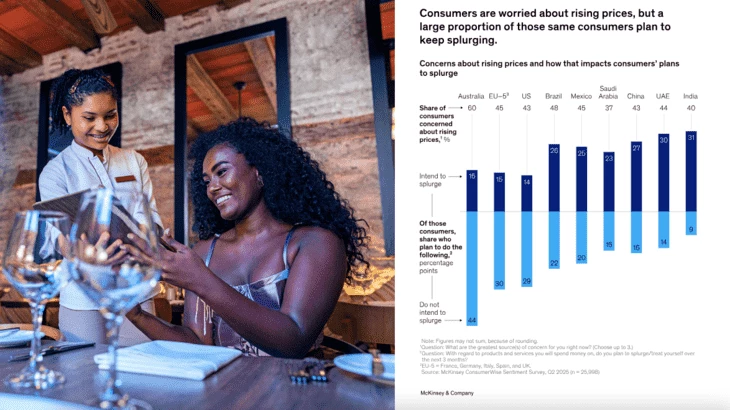
The research basically says that modern consumers are redefining what value means to them. They buy cheaper groceries, but still splurge on skincare, cancel one subscription and pay for a more useful tool instead or skip fast fashion hauls to invest in one good coat. On social media, it’s turning into a funhouse mirror situation: people will proudly announce a low-buy year and then explain, with courtroom seriousness, why one expensive item does not count. Anyway, we watch and we don’t judge.
That trade-off also makes the purchase journey longer. When people decide that one category deserves the money and another one doesn’t, they usually don’t jump straight from “maybe” to checkout. A good old splurge now needs a defence case. Why this one? Why now? Is it worth it? Will I use it? Can I get it cheaper? Is the cheaper version enough? People compare, check reviews, scroll through comments, ask around and wait for discounts. The purchase is going to happen either way, but this time as a decision weighed a hundred times over instead of an impulse.

The hesitation shows up in affiliate data too. According to Impact’s 2025 benchmark, clicks grew by 2% year over year, while conversion rates dropped by 6%. In plain English: people were still clicking, but they were less ready to buy on the spot. And for affiliates, that means the funnel may now begin right inside the hesitation everyone used to treat as a leak.
Why This Is Still a Funnel
If buyers now need more justification to go through with an offer, affiliates can’t stay in the same old promoter role and hope their CTA button does the rest. A better strategy here is to be more of a filter and help the audience sort the worth-it from the shiny. The pitch is weak if it only says “buy this”, but it can be much stronger if it helps the user understand why this product deserves space in their already overcrowded life.
The emotional part of it changes as well. When people are already questioning how much they buy, selling more sounds a bit tone-deaf. But the promise of less regret after the purchase – now we’re talking. The arguments about less waste and better value are easier to defend after the dopamine wears off.
As marketers, we need to learn how to work with this hesitation instead of fighting it. Does the buyer need a good reason before spending? Then your campaign has to give them one through a better context and a sense that the offer fits the way they are already thinking. But tread lightly, because that “buy less and smarter” angle won’t look the same in every niche. Beauty has its own guilt, fashion has its own waste problem, tech has its own upgrade addiction and finance products… Well, finance products have always lived near anxiety, not gonna lie. It’s time to go through all of them, nice and slow.
Ways to Use Underconsumption Angle By Niche
Underconsumption-core may be one broad mood, but each niche gives it a different pressure point.
Fashion
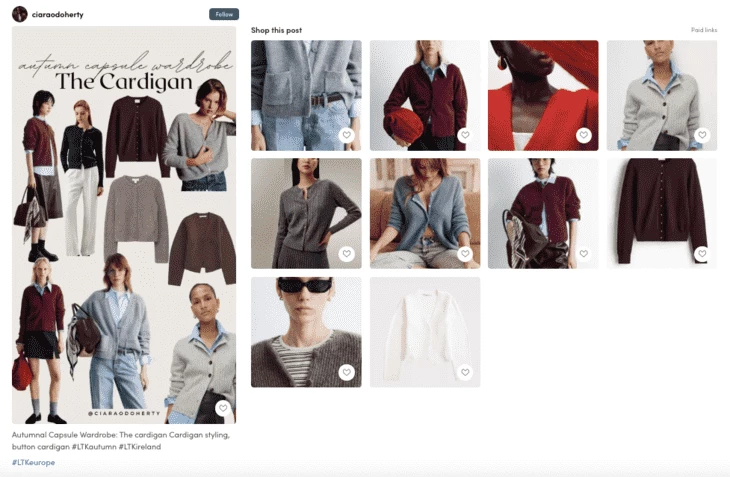
This niche is perhaps more prone to overconsumption than others. Fast fashion hauls, trend cycles and new outfits for every occasion are perfect backlash targets these days. However, fashion isn’t going away. People still need clothes to look good and express their identity.
Possible offers and products:
Capsule wardrobe items;
Durable basics;
Clothing care products;
Second-hand platforms;
Tailoring or repair services.
Angles:
Quality checks;
Cost-per-wear;
Wardrobe gaps;
Outfit repeating;
What not to buy.
Beauty and Makeup
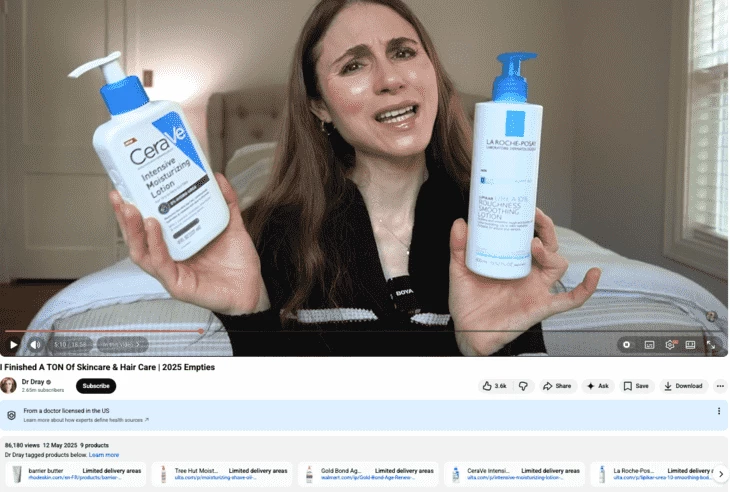
The concept of conscious consumption fits in very well here, because there is visual clutter in the form of shelves overflowing with long-forgotten products. Besides, unlike clothing (where if you just toss it aside and forget about it, no big deal... except maybe moths getting to it), beauty products literally have a limited shelf life, which adds to the guilt. But this niche also has replenishment behaviour. Once the stash is finished, people need to repurchase, so they search for substitutes (usually fewer and more effective products).
Possible offers and products:
Empties and repurchases;
Multi-use makeup;
Skincare basics;
Affordable dupes;
Dermatologist-approved products;
Beauty tools (instead of several disposable products);
Subscription boxes (but frame them carefully).
Angles:
Project Pan;
Product empties;
Repurchase or skip;
Routine simplification;
Underrated but effective products;
Anti-hauls.
Wellness
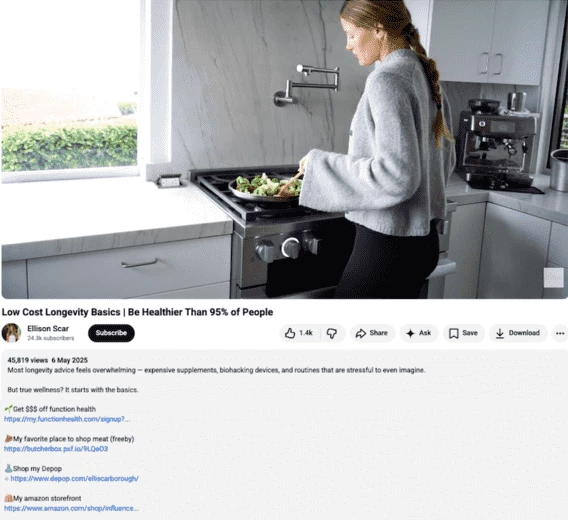
Scammy offers pushing miracle powders or unnecessary supplements won’t work with this type of audience, it goes without saying. Keeping your guard up doesn’t mean depriving yourself of spending on fitness, good sleep, stress relief and other health routines to feel stable during chaotic times.
Possible offers and products:
Evidence-backed supplements;
Sleep products;
Gym memberships and fitness class platforms;
Affordable home equipment;
Meal planning tools;
Habit apps.
Angles:
Biohacking;
Beginner-friendly plans;
Low-cost routines;
“Before you buy this” reviews.

Devices and Tech
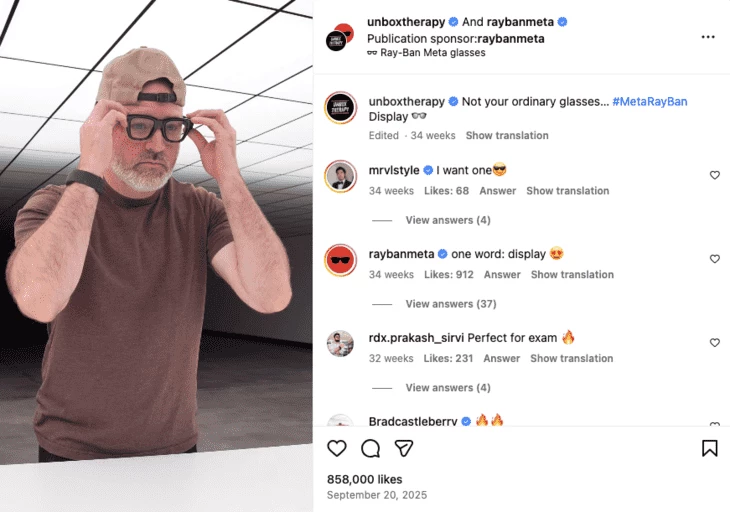
Tech marketing has always been built on one principle – newer is better. The underconsumption trend pushes this idea back. Do you really need the latest model or is your last year’s device still doing the job? Seems like people are tired of pretending that one extra camera bump is civilization advancing. Tech items still sell well, we never thought to say otherwise, it’s 21st century, after all. But you can’t ignore the fact that consumers now put much more time in research because purchases are expensive and easy to regret.
Possible offers and products:
Budget-friendly gadgets;
Accessories for extending device life;
Older models;
Trade-in programs;
Repair services.
Angles:
Repair vs replace;
Upgrade timing;
What model is enough;
Trade-in value;
Feature usefulness.
Lifestyle and Everyday Goods
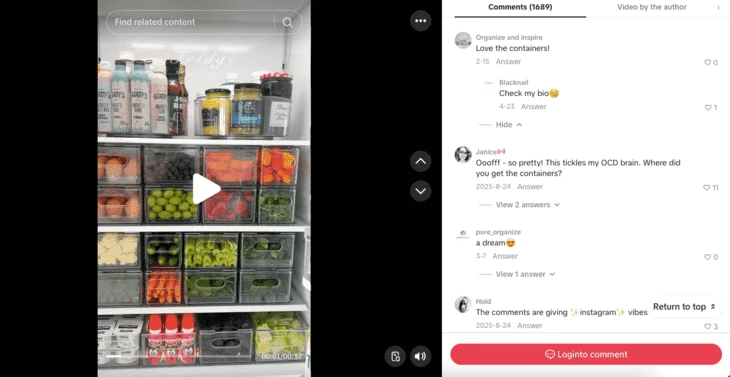
Home content makes everything look appealing and buyable. People often feel a satisfying sense of control when they picture themselves systematically sorting out their whole life with the help of organisers, decor, gadgets and tools, cleaning hacks and seasonal items to top it all off. Though underconsumption-core pushes toward fewer and more useful things, consumers still buy for the home when the product or offer solves a real annoyance, saves money, replaces disposable stuff or just lasts longer.
Possible offers and products:
Energy-saving devices;
Durable tools;
Appliance deals;
Repair kits;
Storage solutions;
Reusable products;
Cleaning concentrates with refills.
Angles:
Household savings;
Utility;
Replacement of disposables;
Reducing waste;
Avoiding clutter.

Finance Solutions
The underconsumption trend is the most natural fit here, no doubt. If people feel pressure around money, it’s only natural that they look for tools to make spending feel more controlled. This niche takes a special touch, though. Your tone shouldn’t be “use this card or app and get rich fast”, otherwise it might get ugly pretty fast.
Possible offers and products:
Budgeting apps;
Cashback tools;
Price trackers;
Savings offers;
Debt-tracking solutions.
Angles:
Control;
Audits;
Spending visibility;
Subscription clean-up;
Smart investing.
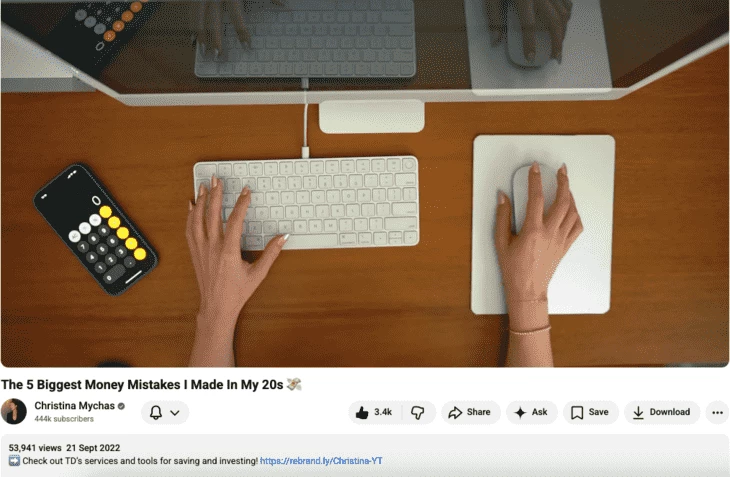

Education
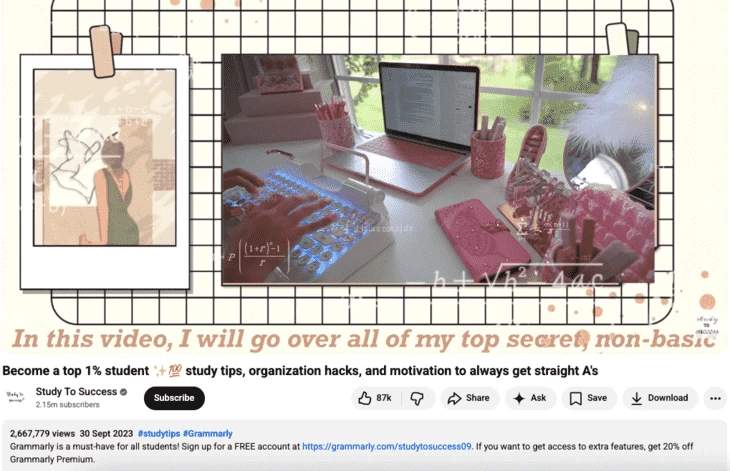
Courses and tools are easy to sell to people who are quick to imagine their upgraded future selves. Then again, a recession-core audience will be more sceptical because they need clearer ROI.
Possible offers and products:
Courses with specific outcomes;
Certification programs;
Skill platforms;
Productivity tools;
Creator tools;
Language learning apps;
AI tools with practical use cases.
Angles:
Realistic outcomes;
Use-case fit;
Who should skip it;
Free vs paid comparisons;
“Before you subscribe” guide.
Travel and Experiences
Due to this frugal-living climate, people may cut frequent trips, but they still value experiences, especially if they feel meaningful or worth the money. “Trade down here, splurge there” behaviour we mentioned earlier fits this niche beautifully. Someone may stop buying clothes for six months and still spend on one trip because that trip seems like the point.
Possible offers and products:
Flight and hotel comparison platforms;
Travel insurance;
Off-season deals;
Local tours;
eSims;
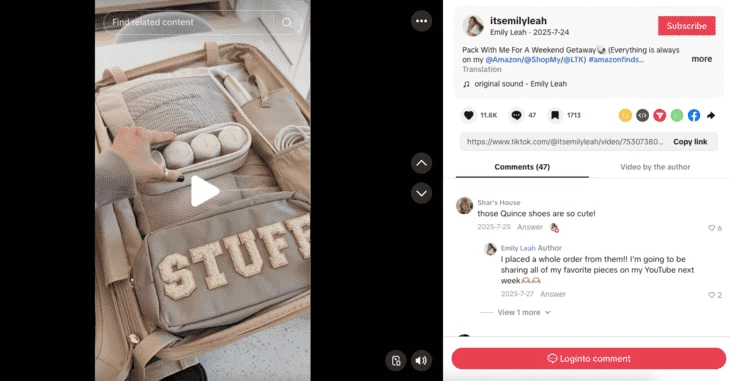
Long-lasting luggage;
Packing organisers.
Angles:
Fewer but better trips;
Avoiding tourist traps;
Packing lighter and smarter;
Spend-priority guides.

What Affiliates Should Avoid
The trend can be monetised, but only if the affiliate does not visibly disrespect the audience’s mood:
Underconsumption isn’t another haul. A “minimalist essentials” list with 50 affiliate links isn’t clever, it will look like you are losing the plot.
Fake restraint. Audiences will notice if the creator says “buy less” and then pushes a new product every day. If you’ve chosen this angle, selectivity has to look real at least.
Hiding costs. Frugal audiences are sensitive to financial unpleasantness, so if you conveniently forget to mention shipping, subscription renewals, return fees, refill costs or usage limits, it’ll quickly burn their trust.
Luxury with no justification. “Treat yourself” isn’t dead, but with the underconsumption angle the argument has to be stronger: longevity, craftsmanship, resale, specific use case or emotional value.
Pushing urgency too hard. Fake scarcity clashes with cautious buying. It can still convert, but it also makes the offer or affiliate look like part of the problem.
The safest rule: if the content would look ridiculous with the affiliate links removed, the audience will probably feel the sales pitch under the floorboards.
Conclusion
So, no, underconsumption-core won’t be the end of affiliate marketing. If we are being real about it, this trend will make weak recommendations look weaker and useful ones, on the contrary, more valuable. People still want things, they click and buy. The only difference is that now they want to feel sharper about it, with fewer regrets, better timing and more proof behind their decisions. Do you have it in you to help those people? Then you can make this trend work. Good luck!