Traffic Cardinal
wrote April 08, 2026
Traffic Cardinal
wrote April 08, 2026
Traffic Cardinal
wrote April 08, 2026
Traffic Cardinal
wrote April 08, 2026
How much does it cost to make a website? Different sources will promptly provide different specks of data, alluding to functionality demands and personal expectations you set for the campaign.
Truth be told, the final number you get may depend on another set of factors, some of them more evident than others, and, quite possibly, you may be overlooking them, though not out of mismanagement or carelessness, but because you’re overwhelmed with other tasks, just as crucial for the successful implementation and smooth operation.
Keep at it, friend. We’ve got your back: here’s what you need to know about website pricing.
What Does a Website Really Cost in 2026?
If you’re here, you’ve probably read tons of articles dedicated to one perennial question: how much to make a website? Earlier on, it mostly depended on the way you established it, but now the topic stretches further and implies maintenance as well — there’s little doubt you want to be able to regularly update your site and add new features.
Getting more to the point, you can resort to DIY website builders, especially if you have a limited budget, little experience, and intend to pull off a relatively small project: they’re remarkably cheap, and the cost ranges from $50 to $500 per year. WordPress could be another option: it is still affordable ($150 – $1,500 per year, depending on hosting, plugins, and themes), and offers a flexible middle ground.
As a rule, professionals opt for a personalized approach and contact freelance developers, who can satisfy any whim. The price, as expected, depends on the quaintness of the whim, but the range varies from $1,000 to $5,000 per project.
Large businesses, however, don’t stop just there: not only do they want to create a public image, but they also want to successfully cultivate it and, perhaps, mould a persona that would strengthen the relationship between the brand and the audience. Typically, this is a problem a competent agency can solve, but the services can’t be cheap by default: you will have to pay a sum between $5,000 and $25,000. Or more — again, depending on the quaintness of your whims as specified before.
One more remark before we wrap up for the next chapter. Any endeavor like this implies upfront fees, regular monthly expenses (updates and hosting), and hidden fees, such as security tools and unexpected redesigns.
What Determines the Cost of a Website?
The cost of building a website rests on various factors. Although you can indeed continue the list and add a few more points, we decided to focus on the most essential aspects.
1. Type of Website
“Modern problems require modern solutions,” proclaimed a once-popular meme somewhere in the depths of Twitter. The same principle applies to websites: different websites require different levels of expertise.
Brochure-styled websites, for instance, are normally considered the most affordable option on the market, since it doesn’t need an invisible cloak, a magic wand, and legerdemain: the pages on such a site contain a list of services, the about tab, and contact information.

Blogs come in close second: they are still pretty much affordable and easy to maintain, especially if you invest in SEO optimization and content management tools.

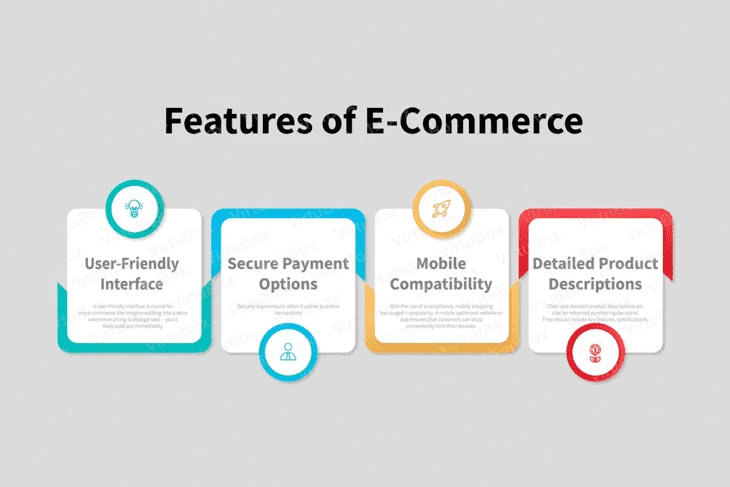
Complications may pop up if you run an e-commerce store: while the pages are still relatively easy to set up, it’s also necessary to add a few functional features, such as listings, inventories, and payment gateways. The expenses will consequently grow, you know.
Portfolio websites are more peculiar in that respect. While they usually have lower design requirements, they nonetheless require customization. Yes, the purpose is obvious — to stand out from the crowd not only professionally but visually as well.
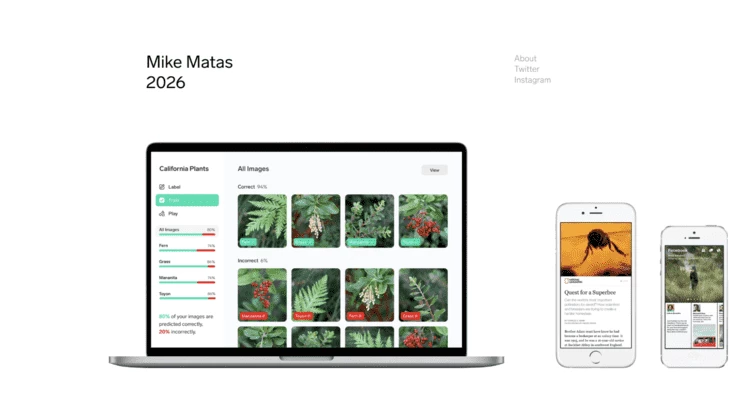
The most complicated group would probably encompass SaaS platforms and other advanced solutions: as you undoubtedly understand, the complexity and technical support won’t magically reappear out of thin air.
2. DIY vs Professional Development
The cost of website is also affected by the assistance you want to acquire — or lack thereof. If you intend to scrape up a site using DIY builders, which are plentiful on the internet, it’s certainly more predictable: you read the details, you pick your option, and that’s probably it, as the technical part, stochastic issues, or complications are always on the side of the builder — you don’t have to solve the problem.
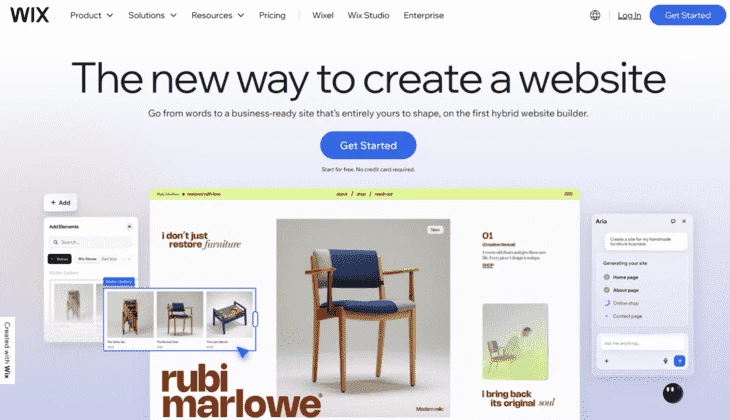
We have previously mentioned WordPress, which is also quite affordable; however, if you want to explore that opportunity, keep in mind that you might have to pay more than expected — premium themes, hosting providers, plugins, and other features will make sure of that.
The two remaining options, freelancers and agencies, that is, have only one drawback: they are expensive. Flexibility, customization, scalability, and an abundance of features will definitely be embedded the way you see fit, but it will cost a pretty penny.
3. Design Complexity
The simpler the cheaper — that could be a quick response to the question ‘how much does it cost to create a website’. Pre-made templates reduce expenses; fully designed websites require more time and expertise. UX and UI don’t come for free either, and if you want to research and test the approaches, you’ll have to pay. Besides, you can’t overlook mobile optimization — the gadgets have been covering the globe at a breakneck speed, and, quite possibly, your site will be scrolled from a mobile device.
4. Functionality & Features
This is probably one of the most obvious aspects to consider: some niches need a more extensive set of features, others are less demanding, so it mostly depends on how you approach business in general and how you run your campaigns. For instance, ecommerce functionality adds layers of development (shipping, product management, payment processing); membership areas, just as gated content, require user authentication and database management; and booking systems usually need third-party tools. Multilingual support expands your reach, true, but it’s also another point on the long list of features, which also involve, for example, custom integrations (CRMs, APIs, or automation tools).
Essential Website Costs (Everyone Pays These)
Whenever you ask, ‘How much does it cost to have a website?’ you probably think about several aspects: the upfront and the hidden costs, and the essential ones you cannot avoid at all. You might come up with something else (choose the adjective yourself), and we’ll get to them shortly.
Domain Name
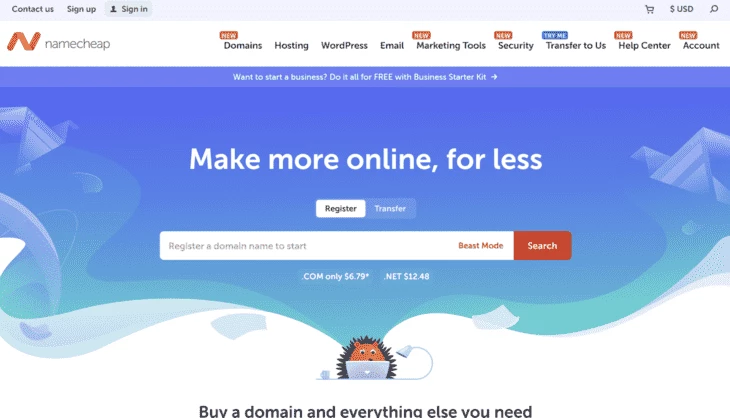
A domain name is a basic requirement, one of the many that come to mind. The prices certainly vary: standard domains can cost as much as $10 – $35 annually, and premium ones... that’s where the hitch is: in some cases, prepare to see a few grand (or millions) for a short and brandable domain.
Web Hosting
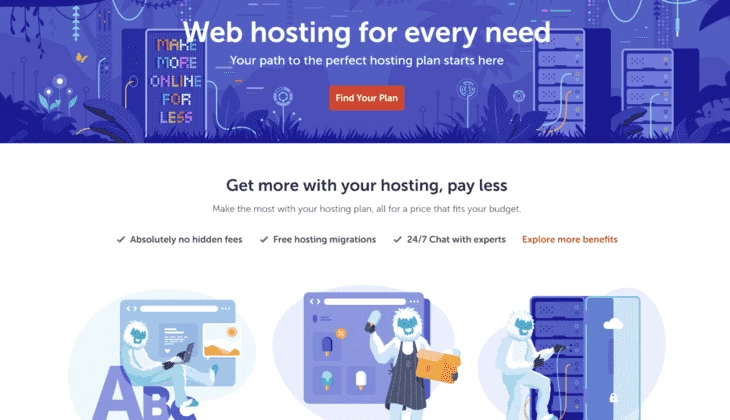
Again, it all depends on the type: shared hosting is the most affordable — the average price tag goes at roughly $2–$10 per month; VPS hosting is a little more expensive, $10 – $100 per month; and cloud hosting opportunities stick to more flexible models.
SSL Certificate
SSL Certificates are absolutely essential — they are all about security, and you don’t want to set up your users. Technically, such certificates can be free (as they are often included with hosting plans), or, on the contrary, required separately, with premium options costing between $9 and $250 per year, depending on the level of validation.
CMS or Website Builder
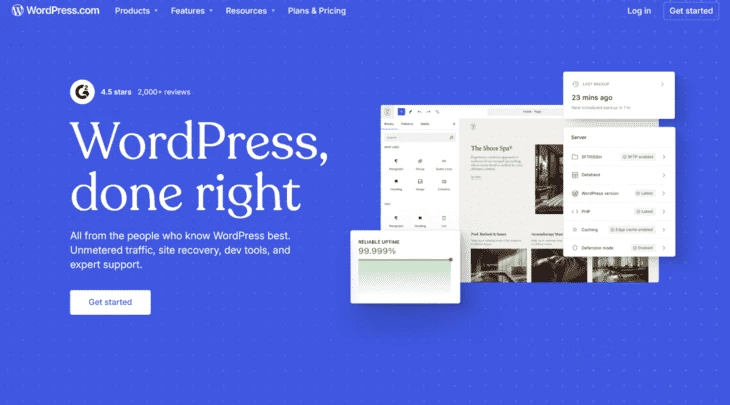
How much does it cost to set up a website? You know, the universal answer does not exist — especially with all the CMS platforms and website builders available on the internet. Some of them are (relatively) free (take, for example, WordPress, which is free of charge, yet requires separate hosting and add-ons), others, like Wix or GoDaddy, cost $59 a month.
Business Email
This is often an add-on cost, sometimes included for free for a limited time with hosting or builder plans, but typically requiring a paid subscription afterward (for example, via services like Google Workspace).
Website Design & Development Costs
How much does a website cost? How often do you ask this question, scrolling the Internet, trying to find the necessary information? Probably, quite a lot of times, because most articles fail to mention all the situations where you actually have to pay.
Website Builder Costs
If you wish to simplify the process — and you don’t have the unlimited budget — time to check out website builders, which are, luckily, in great abundance on the market. As a rule, they operate on tiered subscription models, with basic plans starting at a few dollars per month and scaling up to higher-priced options, brimming with payment tools, selling integrations, and other marketing features.
WordPress Website Costs
We have brought it up a few times already; now, the proverbial WordPress has a chance to raise its head.
WordPress websites vary, and the price range depends on whether you use free themes or premium themes, free or paid plugins, and whether you choose to hire a developer for customization. Evidently, that’s where you ask, “How much does a custom website cost?”
The answer is plain: the platform is free, but the additional features and developers, who will eventually create your site from scratch and work out the kinks, may cost a pretty penny.
Hiring a Freelancer
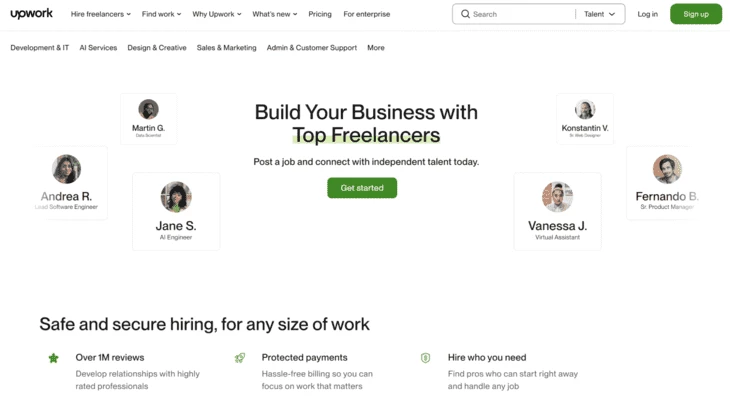
Freelancers are different — the fees and the “payment models”, if we can put it this way, depend on their skills, experiences, and, perhaps, preferences as well. As a rule, however, they charge monthly rates or, sometimes, offer fixed-price bundles for complete projects.
Hiring an Agency
An agency is a freelancer on a larger scale: not only does it have a tight-knit team that knows the ropes, but it has the strategy, the development, and the support. Eventually, you will receive a better result, but again, it increases your expenditures.
Ecommerce Website Costs in 2026
How much does it cost to own a website — in a specific niche? The readouts cannot be similar for all verticals, since there are different audiences and different rules. Nonetheless, we decided to pick one example — Ecommerce — and show what affiliates pay for when they choose to establish a site in this particular niche.
Payment Processing Fees
It’s not a secret that websites must account for transaction fees charged per sale, as well as potential gateway fees depending on the payment provider used. These recurring charges can significantly impact margins and are an important factor when estimating website costs that process online payments.
Inventory & Product Management Tools
E-commerce affiliates manage products, which can be a pain in the rear: it might be difficult to accomplish tasks manually — after all, one must keep an eye on stock updates (which had better be automated), track inventory, and organize listings. That’s why webmasters choose to spend money on the platforms that can save time.
Advanced Ecommerce Features
Experts, who have already seen the underbelly of the industry, always demand more extensive options: multi-currency support, automation tools, or subscription services, if they can be applied to the product they deliver. While the implementation of such features will definitely increase expenses, it will surely improve customer experience — and, perhaps, help attract new clients as well.
Additional (Often Overlooked) Website Costs
Yes, they exist. These cannot be shoved into the hidden costs category, so we decided to create another one to elucidate.
Website Content
Startup or not, if you establish a website, you fill it with content: it can be professional copywriting, blog creation, or anything else entirely — in other words, anything that can enhance your visibility and engagement. Perhaps it is only reasonable to invest in content because, in the long run, it will be a key part of your online presence.
Custom Images & Graphics
Say yes to custom images and graphics — stock assets can save the game and make your site visually appealing for both existing and potential customers. The downside is obviously the fact that it adds another expense to the overall budget.
SEO & Marketing Tools
You can grow traffic bit by bit without any modern strategies, which seems very much possible, but why choose a longer route when there’s a reliable shortcut? Alas, they aren’t given away freely: all analytics tools, email marketing platforms, and SEO software come with recurring fees. But hey, this is efficiency incarnate.
Security & Backups
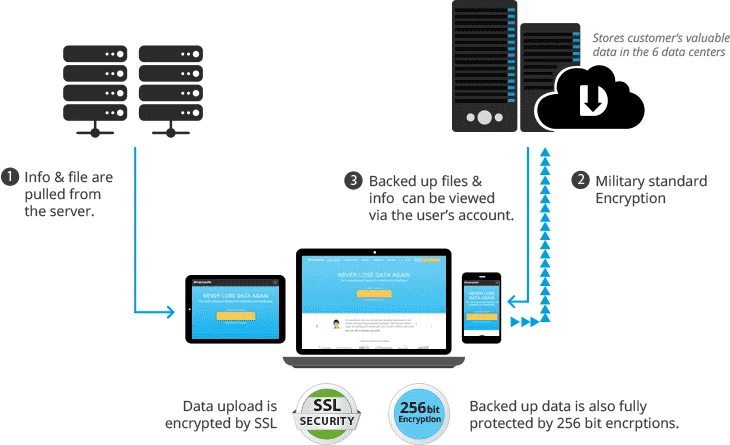
Security is of the essence, for both you as a website owner and your clients. To make sure your site is absolutely safe to use, you must take measures against malware, acquire monitoring tools, and figure out how to create regular backups. Although such services are often included in hosting plans, in certain cases, they may be offered as add-ons.
Ongoing Updates & Technical Support
Bread isn’t the only thing that goes stale — and we aren’t talking about milk or any other product languishing in the fridge. Your website must be regularly updated as well, both content-wise and tech-wise. Whether handled in-house or outsourced, ongoing support is a critical expense that ensures the site continues to perform well after it is initially built.
Website Cost by Business Type
Remember we have mentioned a few types of sites somewhere at the beginning of the article? Now you can ask your question again — how much do websites cost? — and receive more straightforward replies.
Small Business Website
We start with this option for a reason — logically, this is the most affordable one, with a price tag showing the lower point of $100. As for the highest point, it’s... debatable, since it can crawl up to $5,000 or even higher, depending on whether you pick a website builder or a talented developer.
FYI, DIY sites are cheaper and come with hosting and templates, but they cannot compete with custom-built sites, which boast impressive functionality, branding on point, and seamless integrations.
Portfolio Website
Still relatively affordable and often ranging from $50 to $1,000 (considering you use website builders or simple CMS setups). There’s not a single hitch and no flaw in sight — the premium templates, hosting, and domains (as well as designers) will certainly raise the cost, but overall, you can stay within the price range mentioned above.
Startup Website
If your startup can afford advanced branding, functionality, integrations, and custom design, prepare to pay the price, something reaching greater than the bar of $10,000. On a brighter side, however, the lowest bar is approximately $500, which is an affordable price for a simple site.
Small to Medium Ecommerce Store
A site that is undergoing a transition from a smaller one into a bigger project can fall anywhere between the $1,000 and $10,000 range: you know, subscriptions, payment processing, and various tools don’t grow on trees.
Large Custom Business Website
If the $10,000 bill for a site scared you, this one is probably going to give you a heart attack (lovingly). Large custom websites, created specifically for established businesses, can range from $10,000 to $50,000. Or even more. Because, you know, custom development, integrations, maintenance, and, of course, agency.
Website Costs by Industry
It was a little unfair to dwell on e-commerce only, so we decided to create a breakdown of other niches as well — just in case you don’t give a damn about e-commerce and intend to build a website in consulting or the restaurant business.
Local Service Business
Plumbers, salons, or other local service businesses focus primarily on lead generation, which is quite understandable, considering their specialties. What does a salon website contain? A few booking forms, contact pages, and, perhaps, a couple of SEO features to attract local customers. It’s hard to pinpoint the exact number, but typically, the price may vary from $200 to $5,000, depending on how intricate you want it to look.
Ecommerce Brand
A sad truth about ecommerce brands is that they generally face higher costs, both ongoing and upfront. It happens for a reason: as a rule, ecommerce brands needs to conduct product management, control payment processing, and update their marketing tools for better experiences, and it’s hard to say whose convenience is more crucial here — the business owner’s or the customer’s. While it’s nigh impossible to come up with a specific number, we estimate the lowest bar as high as a few hundred dollars, and the highest may reach tens of thousands of dollars.

Coach / Consultant
If you delve deeply into what coach/consultant is, you’ll probably be able to come up with a quick calculation. First, any coach needs a personal branding, so people — potential clients, that is — understand the unique selling proposition and get hooked by the expert opinions expressed by the consultant. Second, such consultants need landing pages, where they relay necessary information, describe crucial points, and outline the general flow of the session. Finally, they need scheduling tools to conduct such sessions. Depending on the factors we’ve mentioned above, along with the website costs this endeavor might leave a dent in a limited budget (because it may cost up to $3,000 and even more). Content and marketing tool investment excluded.
Restaurant or Appointment-Based Business
Okay, now imagine a restaurant — or any other appointment-based busniess. Apart from menus, which is blatantly obvious, an establishment like this will need booking systems and integrations with third-party platforms. Costs? Differ; but you can expect them to fall anywhere between $200 and $5,000, depending on functionality and design requirements.
How Much Does It Cost to Maintain a Website Per Month?
Summing things up — or almost summing things up — it is probably safe to say that ongoing website maintenance costs can range from as little as $5 to $50 per month for a standard site, not packed with various features and lustrous designs, up to $100–$500+ per month for growing businesses or ecommerce stores. As a rule, these costs include regular domain and hosting renewals, theme and plugin updates, maintenance, and marketing expenses (email campaigns and SEO, for example).
How to Avoid Overspending When Building a Website
By now you must’ve cozied up to the idea that you’ll have to spend a pretty penny and added the expensess to your budget sheet, but, obviously, you would love to know how to avoid overspending. We have a few tips up our sleeve.
Start with MVP (Minimum Viable Website)
Be da real MVP... Oh, wait, that’s not the right sentence to begin with. We actually meant that you should create a minium viable website, which only has core features necessary for a successful campaign. It may not be much, but if it is fully functional it reduces your costs, simultaneously establishing your online presence on the affiliate marketing arena.
Use Templates Strategically
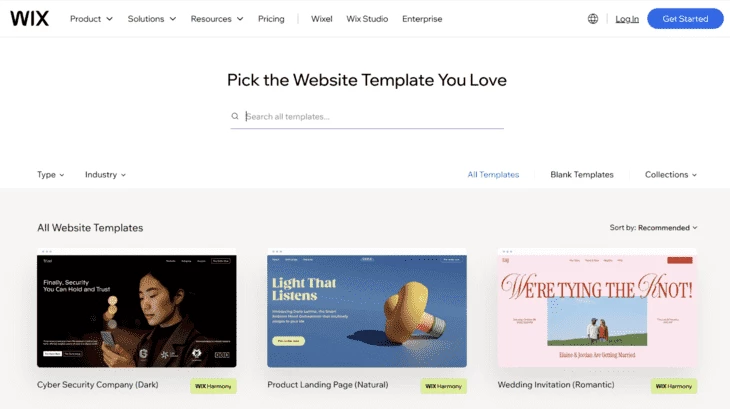
As much as you want to cut an impressive figure and fan out a variety of designs to a random passer by, these plans best be adjourned. Pre-designed templates might not be as alluring an option as the concept you have in your head, but they significantly cut development costs without making your site look scanty and unfinished.
Prioritize Revenue-Driving Features
Priorities are essential to any campaign, but they don’t magically disappear when a website is involved. They seem to persist and hang over your head even more menacingly, so you’ll have to sit down and find out which aspect is more important to highlight.
As a rule, features that directly contribute to revenue (ecommerce functionality, booking features, lead capture forms, etc.) prove to be most vital, so write them out and define which should be implemented first.
Choose Scalable Infrastructure
If Dante was an affiliate marketer, he would have mentioned a migration from one platform to another among the most terrible throes in hell. We’re bringing this up because aspiring affiliates tend to choose a cheaper platform without scalable infrastructure, which eventually impels them to migrate after unexpected expansion. Considering you don’t want to splurge budgets on migration, pick an option that allows scalability.
Avoid Over-Customization Early On
Personality matters, customization is a core of any business — right, true, that’s spot on. Problem is that they increase development costs, which may not be negotionable for the time being. It’s better to implement standard functionality and make sure that all features are in order and upgrade later if necessary.
How Much Does It Cost NOT to Have a Website?
Quite possibly, these long-winded explanations scared the hell out of you: hostings, domains, development, designs, and whatnot can inculcate fear in aspiring affiliates who have little to no experience in the niche.
Yes, you’re right, this is not an endeavor you can easily pull off, but the lack of a website might eventually take its toll: business owners who choose go skirt website-related headache tend to lose credibility and suffer the consequences of reduced visibility in search engines. Then, missed sales opportunities, dependence on social media... The list goes on.
Final Verdict — What Should You Budget in 2026?
We are ready to come up with the final verdict and proclaim that a 2026 website budget must fully reflect your business size and business goals. A starter website may cost somewhere between $100 and $500, a growth-focused affiliate usually invests $500 to $5,000, and a professional brand could spend $5,000 to $50,000 or more.
FAQ