Traffic Cardinal
wrote March 17, 2026
Traffic Cardinal
wrote March 17, 2026
Traffic Cardinal
wrote March 17, 2026
Traffic Cardinal
wrote March 17, 2026
2026 is not making things easier for affiliates: new restrictions, new policy shifts, new requirements, and new challenges force webmasters to pursue new opportunities and seek new ways to boost website traffic.
Some task, huh? You might think that there’s nothing left and verticals are burning out as we speak, but, in point of fact, you still can scrape up a fortune using just the usual tricks and channels — it’s the angle that you should shift in order to succeed. And if you’re desperately trying to adjust and discover this new perspective... well, we have something to offer.
What Is Website Traffic and Why It Matters
Yes, you came here to learn how to increase website traffic, but are we on the same page, and do we not misunderstand the definition of traffic?
Let’s find out.
So, traffic is the number of visitors your site receives. As a rule, specialists categorize it as follows: organic traffic (I saw your site in the search and clicked the link); paid (I saw your site on a paid ad and clicked it); social (I was binge-watching TikToks and Reels, found your site there and clicked it), referral (scrolled other websites but they led to yours, so I caved), and direct (I know you, friend, and I’m typing this URL into my browser).
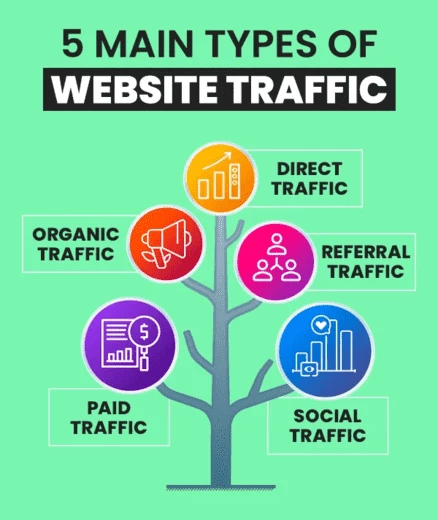
Why is it important to understand your traffic? Well, that’s how you can portray your average user, detect patterns and trends, make decisions, and grow as a business and as a professional. Besides, there’s a direct correlation between the volume of traffic and your success: not only does more people mean a higher possibility of a conversion, but it is also a bigger chance at enhancing your visibility and brand awareness, especially amongst users who may not be ready to buy your product, but are eager to subscribe to weekly newsletters.
SEO Strategies to Drive Organic Traffic
SEO strategies are a surefire way to get traffic to your website, but you can’t just scatter a bunch of keywords to make it work. It’s a little more complicated.
Keyword Research and Search Intent
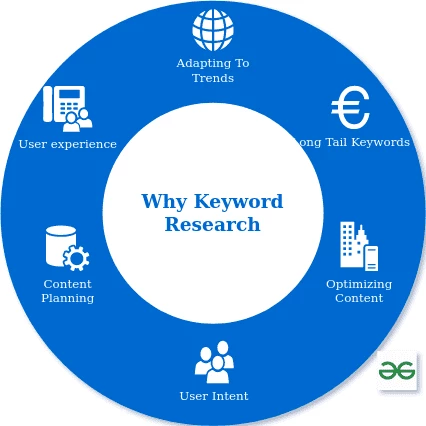
It all starts with research. First, keyword research. Second, term identification. Third, you draw conclusions — and match your content in accordance with their intent.
On-Page SEO Optimization
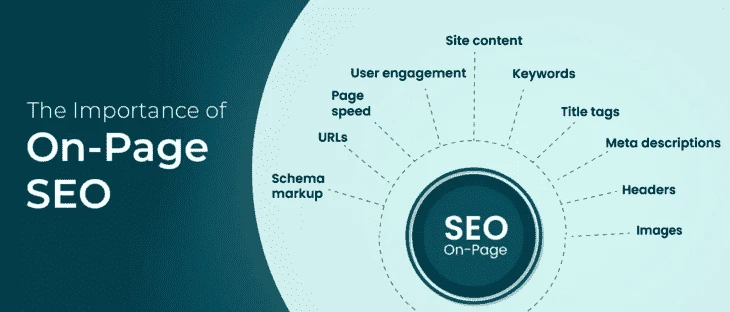
Then you should be on the optimization spree: building the right structure, straightening meta titles and descriptions, checking the heading hierarchy, and placing internal links where they belong... That’s a meticulous job, but you have to make sure search engines understand your content.
Technical SEO Basics
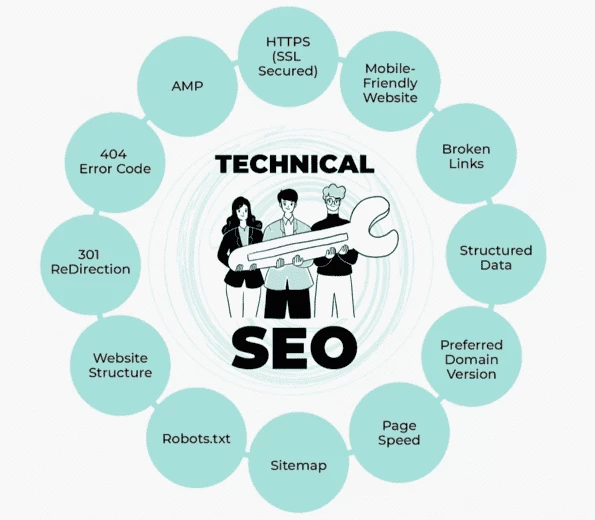
Technical SEO is on the technical part, pardon the tautology. It ensures that your site is user-friendly and overall accessible for the visitor. It normally focuses on key factors such as mobile optimization, site speed, and proper indexing.
Backlink Building and Authority Growth
You can build a robust online presence, if that’s what you wish: just get some high-quality backlinks from reputable sites. It may not seem obvious at this point, but it undoubtedly demonstrates authority.
Local SEO for Local Businesses
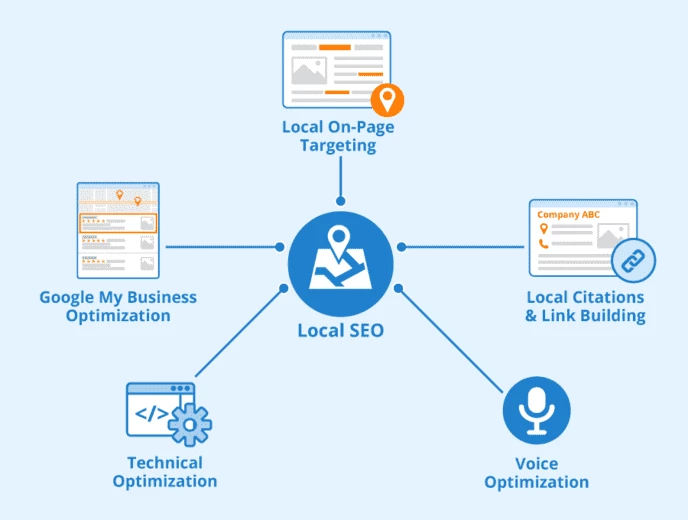
Certain businesses don’t grow to monopolize — they want to increase traffic website by targeting a specific area and attracting nearby customers through location-based searches.
Optimizing for Voice Search and AI Results
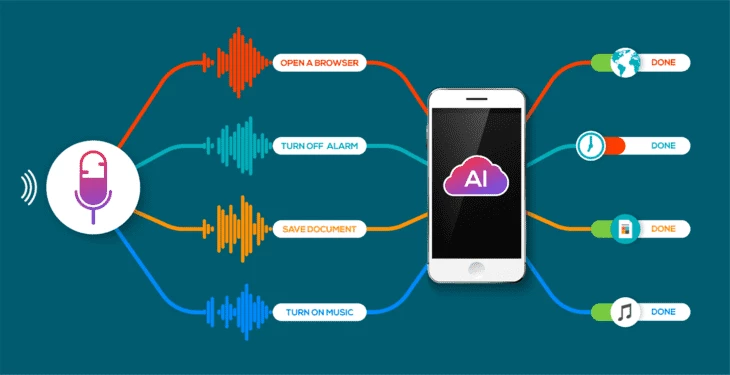
How to drive website traffic using voice assistants? Yes, it’s a valid question, not some inventive utopia. Adapt your content to natural language queries, use conversation keywords and structured data.
Content Marketing That Attracts Visitors
Content marketing is said to work everywhere, but experts rarely mention that it works wonders when you want to gain website visitors.
Blogging for Consistent Traffic
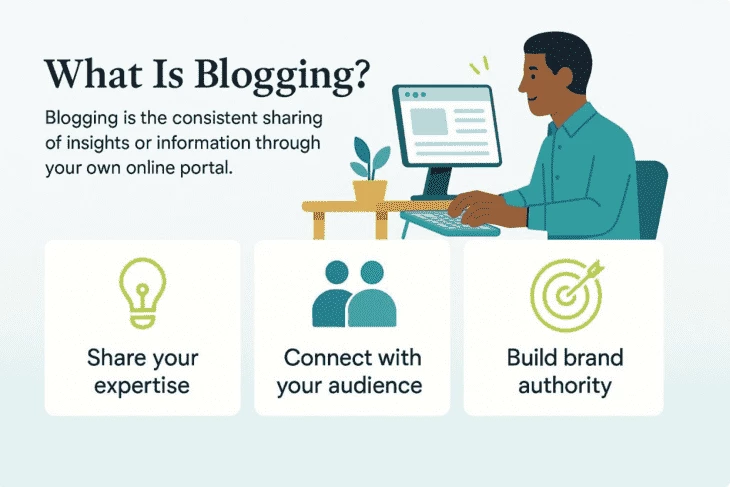
If you’re wondering how to generate traffic to your website steadily, try blogging — but remain consistent because it’s not an endeavor you can drop and refresh whenever you feel like it. Informative, useful posts on the subject you know best make readers trust you and, of course, help you attract new ones.
Creating Evergreen and Trending Content
Evergreen content is a safe bet, but sometimes you need to spice things up and add trending content, the type of content people have recently started to search for. There’s a reason: your regular content already keeps interested users where they want to be, and new articles can capture galvanic bursts of attention, which perfectly corresponds with the query of how to increase traffic on website consistently.
Video Content and Short-Form Platforms
Video content is widespread, now even more than ever, and we’re not speaking about YouTube only — short-form videos are teeming on all imaginable platforms. Why not use this feature to capture your audience? It’ll sure help you achieve your goal of driving new users to your website.

Podcasts, Webinars, and Interactive Content
Text, check. Video, check. Image, check. Now, grab people by the ears and pour your information directly into their brains... what we mean to say here is that podcasts, webinars, and all sorts of interactive content present a great opportunity to increase traffic through CTAs, promotions, or links.

Email Marketing as a Traffic Channel
Every now and then, you might lock up inside your head, looking for the answers to the perennial question — how to boost traffic to your website. Email rarely comes up; its popularity has decreased in the last few years. But it bears looking into: this source of traffic is still effective and can re-engage the audience that seems to have lost interest in your products and services.
Social Media Traffic Sources
People these days are either binge-watching or binge-making, and all the results can be found on social media. It doesn’t actually matter on which side you are, but you can hazard a guess and try to see the pattern, which is hiding in plain sight: socials can connect brands with audiences, and it’s naturally a crime not to use a wide selection of possibilities and opportunities such platforms can offer. Anyways, when people see your content on socials, they assess it — and if they like what they see, they might be prompted to visit your site.
Organic Social Media Promotion
Want to improve brand awareness? Surely, who doesn’t: that must be your number one task in the list of already prioritized tasks. As you can imagine, this is an integral part of any strategy, if you’re aiming at social media as a traffic source. It’s not too difficult, just takes some time: you’ll have to read the comments and respond to the comments, interact with your community, share UCG content, essentially giving your brand “a face”, a likeable personality users want to communicate with.
Influencer and Creator Collaborations
There are many ways to get exposure, and collaborations with influencers and various content creators may be the most obvious one, the sort of idea that we get off the top of our heads. Really, what can be simpler than a friendly message sent to a popular influencer?.. Apart from the evident benefit — enhanced awareness — these influencers help you cultivate your public image, amplify trust, and bring new blood.
Using Online Communities and Forums
Not everyone is ready to spend hours on Reddit or Discord, but sometimes it’s hilarious, and often it pays back: you can talk to real people, learn of their grievances and joys, exchange opinions on the product, contribute to the discussion, and — natively and gingerly — lead people to your site, getting the necessary traffic.
Social Media Promotions and Giveaways
Giveaways were popular on YouTube several years ago, and you’ll be surprised, but they’re still a thing: limited-time promotions incentivize shares and interactions, emboldening people to make quick decisions and participate. A running contest, especially with a requirement to sign up to your site, can be a useful — and effective — tool for generating interest as well as for motivating users.
Paid Traffic Strategies
The market abounds in paid traffic strategies and techniques — you only need to choose which one is more to your liking. We have a few options in store.
Search Engine Advertising (Google & Bing Ads)
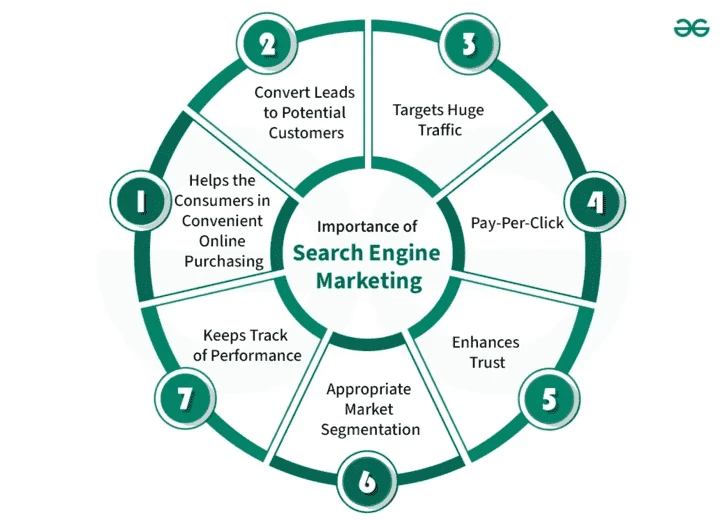
It’s just dawned upon us, really: PPC campaigns. Launch them on Bing or Google and watch your site rank higher than the sky. The sky, by the way, is no limit: you can optimize further, twisting the campaign this way and that, looking for the best approach corresponding to the query of how to increase web traffic immediately from interested searchers.
Social Media Advertising
Social platforms, welcome back to the fold! Gear up your TikTok, Facebook, LinkedIn, Instagram, or whatever else you use: you need to target your “prey” based on interest, behavior, or demographics. A few finely tuned paid campaigns — sometimes even one is enough — and your website’s readouts will go through the roof.
Retargeting and Remarketing Campaigns
“How to drive traffic to my website?” inquired an affiliate who forgot about retargeting. Honestly, that’s one of the techniques that webmasters often overlook: it’s simply not evident to try to engage people who have seen your site but haven’t converted. Anyway, it’s your cue to give it a shot.
Referral and Partnership Traffic
Now we’ve reached a topic that might seem a little more difficult than others because referral programs do have their own policies and terms, which, by the way, should be negotiated before being agreed to. Essentially, this topic covers collaborations, but they are a problem in themselves — a diversity of options can leave you nonplussed, even if you have some background in the sphere.
Either way, let’s see how to get traffic to your website fast, using other people’s resources... to an extent.
Guest Posting and PR Mentions
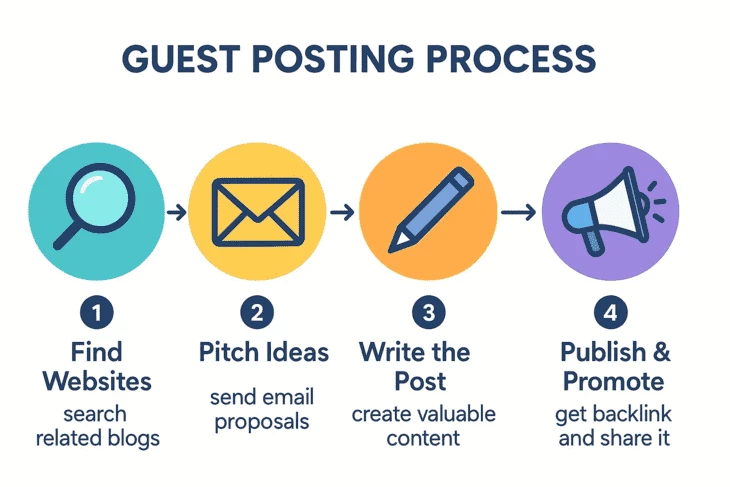
Guest posting has been a thing since the 2010s, but many specialists didn’t see it as a thing that could resolve the problem of how to generate traffic to your website. Now, as we are more proficient in marketing and can see collaborations — even the most insignificant ones — as a potential way to seize the audience, we clearly spot the benefits: when you publish an article, a post, or a video on a reputable site or get featured on other media outlets, you gain more credibility. People may not be enticed by your persona, but they see that you provide legit products and services, and you are worth their trust. Besides, anything can go viral these days. Perhaps you’ll find yourself in the right place.
Affiliate Marketing
Questions resembling the familiar “how to get website traffic”, require an obvious answer: affiliate marketing. This industry has been shaping the business for the last ten years, and now it defines a lot of aspects and dictates how to conduct certain procedures. This is exactly the case.
Affiliate marketing has represented a scheme with affiliate programs, where you — the brand with a site — encourage other users — influencers and content makers — to promote your products and/or services in exchange for a commission. As a result, these bloggers, content makers, and influencers feel much more motivated to share your offers, commend on your product, and express their opinion regarding your services.
Listings on Aggregator and Review Sites
Another option on the list, which could possibly be named how to bring traffic to website is this, aggregator listings. You can add your business on aggregator platforms and/or review sites to demonstrate your offers to a wider audience, already actively engaged and seeking offerings from your niche.
Offline and In-Person Traffic Sources
It would be extremely unwise to limit yourself to online strategies: as much as they are enticing and rewarding, they do not provide an in-depth look, and, frankly, you could start increasing your effort to achieve more, because if you use both online and offline channels... Well, we have a few ideas on the topic. Watch us wax eloquent on brand recognition and website visits just a little longer.
QR Codes and Offline Promotion
Many entrepreneurs — not necessarily online entrepreneurs: in this section of the article, we imply the offline business moguls as well, as the two facets are gradually becoming one — look for the right answer to the perennial question of how to increase traffic to website, but only a few manage to deal with the problem in the most graceful way imaginable.
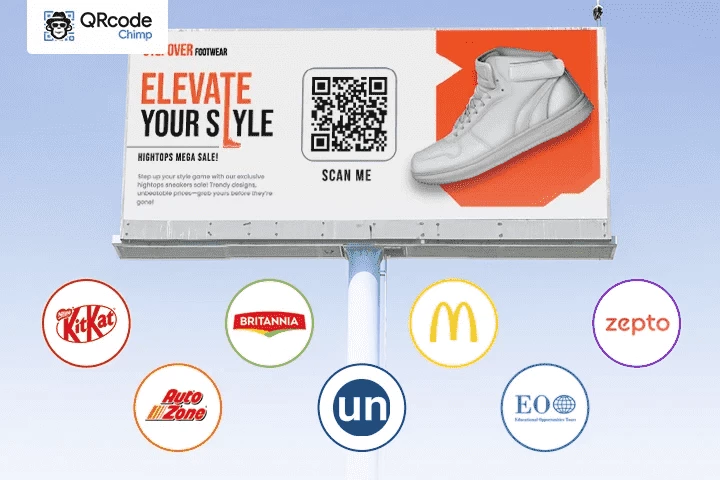
QR codes. No, really, QR codes. Print them on flyers, packages, parcels, posters, booths — wherever you see fit, and people won’t be twisting their heads in all directions trying to find the link leading to your side.
Events, Networking, and Local Communities
Hardened affiliate marketers who have dozens of conferences under their belt may break into a nostalgic smile and reminisce, mentally reconstructing the days when they wallowed in luxury on yachts in Dubai, visited mind-blowing parties in Budapest, sealed deals in Thailand, and negotiated terms in the Netherlands. That sounded a trifle like an introduction to a pre-show article, but it simply encompasses one important idea: the more you participate in trade shows and events, the more people know about you and your brand, and, eventually, the more potential customers can be introduced to your brand in reality. So, if you have been exerting every effort tirelessly, wondering “what should I do to drive traffic to my website”, that may be a solid recommendation to try.
How to Choose the Best Traffic Strategy
Even the most inexperienced affiliates and aspiring entrepreneurs know that the strategy depends on a variety of factors, but what matters most is probably your business goal. However, there are other aspects you must not ignore, and we’re willing to share our to-do list, prepared specifically for specialists who are trying to create an effective routine for themselves.
Define Your Goals
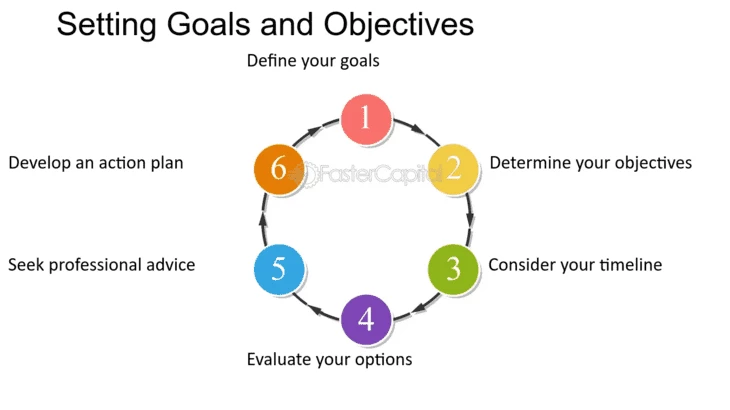
It’s impossible to overestimate the paramount importance of such a simple task: before you set sail, choose the tools, connect assistants and tracking platforms, or hire people to address specific challenges, you must outline your goals, not to get buried six feet deep underneath piles of undoubtedly significant but more time-consuming things. Besides, how do you know what to prioritize if you haven’t specified your own direction? How do you expect to grow if you don’t know which type of growth is most anticipated: engagement, audience size, amount of content, performance, or anything else entirely? As you can see, without a clear objective in mind, it is nigh impossible to measure success, let alone more definite tasks. Start with an outline, narrow it down, determine the key metrics that seem most relevant to you, and gradually switch to other things on the list.
Understand Your Target Audience
Armed with an objective, you may segue to a less complicated but equally interesting task: the task of portraying your target audience.
Of course, you can do it your own way, but we’d advise you to peruse your product and take it to your mental ivory tower. Can you imagine a person using it? Who would that be? What pain points would they resolve with your product? You can come up with another set of questions to be more detailed, but usually, this is enough to trace the ghost of a strategy. Here’s how it works — consider it a friendly tip from a more experienced peer.
See, people use different platforms and consume different content: the audiences on Instagram are unlikely to respond to the content posted on Facebook or LinkedIn. On the other hand, the LinkedIn content won’t show in any way impressive results somewhere on Twitter or, god forbid, on TikTok. Evidently, you must thoroughly explore the audience your product is made for, and build a tactic around it: what is your audience? How old are these people? Who do they like and dislike? What do they do? What’s their search behavior? Do they interact with content, and if yes, what kind of content elicits their avid response?.. These are the general questions that come to mind, but in reality, there are many more — just look at the targeting settings and you’ll get it.
If you’re wondering how to obtain those insights, well, there are a few approaches. Yes, analytics is the strong number one, undoubtedly. Examine every metric in sight and focus on the ones specified in point one. Then, check out the feedback and comments people leave in the comment box under product cards or videos. Scroll Reddit or other forums for a few days to see what these people live with and what topics and formats they enjoy. Tap into other platforms to find out which works where. Who knows, maybe you’ll be so excited to conduct research like that you'll start a consultation practice as well?..
Evaluate Your Budget and Resources
This is a hard one: budget allocation can be anywhere in between points one and two, but we decided to shift it further to number three because you can fully dedicate your time to this task only when you understand your audience and map out your potential campaign.
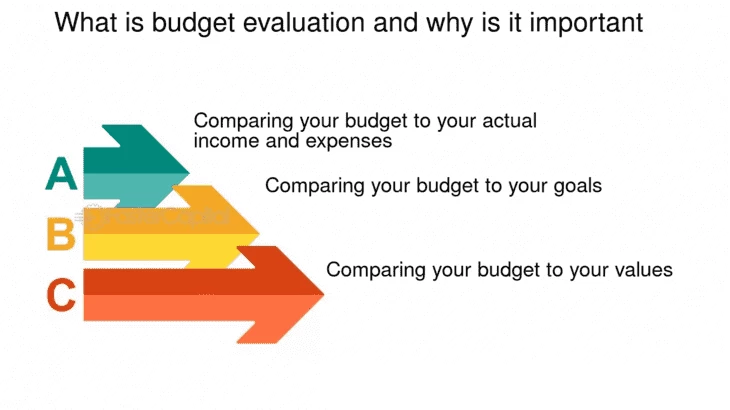
As you probably know, every tactic requires investment — some are more expensive and complicated than others, others are cheap and comprehensive, and then there are those that can be delegated. By the way, when we say “investment”, we don’t necessarily imply money — sometimes spending a thousand dollars is more efficient in the end: have you ever found yourself in a situation where you have been trying to solve a problem for three weeks straight, hoping it would save you some money, but you simply... wasted your precious time? If not, you’re lucky, but it happens to the best of us anyway. What we mean to say here is that you are expected to realistically evaluate your situation, test your methods and approaches, and examine the requirements: there are campaigns that require consistent content posting, others are more complex, but there’s nothing you couldn’t achieve with intelligent planning.
Start Small and Scale What Works
You want to start big and strong, understandable. You want to launch an enormous campaign that attracts all kinds of people and brings you to the top to take your place among the stars and the wealthiest tycoons.
We won’t say this is impossible — with modern technologies and the right approach, anything’s possible. But this is extremely risky, and if you don’t have an inexhaustible well of money, it might not end well.
So, testing small campaigns is a surefire way to see how people are reacting and how your endeavors are working: you can determine the patterns, change the settings, note the shifts, spot the trends, and assess other aspects we might or might not be broaching in this article. Besides, small campaigns are easier to manage and optimize: for example, you can quickly assess which stages are unnecessary and which have to remain in order to provide better results. You can try different tactics as well without taking on risk. Instead of guessing which strategies might or might not work, you can see performance at its finest and dedicate your energy to the methods that are particularly effective at driving traffic to your website.
Measure Results and Optimize
Size doesn’t matter if we speak about optimization: your campaign can be the smallest in the business or the biggest in the galaxy, but if you want to maintain its success and multiply tenfold, you should — or you must? — review the analytics dashboard and take note of every channel and piece of content that brings more visitors to your site.
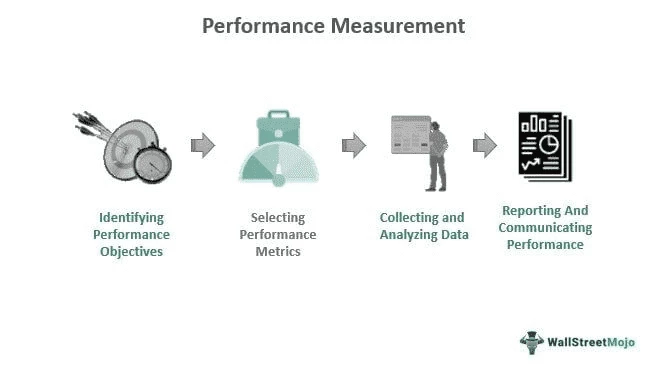
Now, which metrics are considered important? Go to square one: depends on the goal. Okay, we won’t be sending you up there and make you scroll the entire page to learn the lesson; in affiliate marketing, specialists normally focus on CTRs, page views, conversions, and bounce rate. These four criteria clearly show how users interact with your site and what adjustments may be applied. All you have to do is measure performance consistently and define when your endeavors have a real impact on your website and campaign in general.
Common Mistakes When Driving Website Traffic
One common mistake is chasing massive traffic numbers: it’s an achievement, no doubt, but it will hardly reflect in your performance tracking tab, because random visitors may give you views, but they do not convert and do not magically turn into leads, sales, or meaningful engagement.
Mistake number two is ignoring analytics. We may have brought up the topic earlier in the text, but this section provides enough space for elaboration. Let’s be frank, analytics is not the funniest thing that could happen to an affiliate: it requires time, and sometimes the patterns seem complicated and illogical, and you’re still sitting behind the desk, like a tethered hostage from a blockbuster. Alas, this cannot be skipped: performance data shows you the vital bits, enlarging on where visitors interacted with the site and where they bounced. Without these findings, you will not be able to learn how to direct traffic to your website.
The third mistake, which we’d rather call a blunder, is a single marketing channel. Well, not any marketing channel, but just the fact that it is only one — the widely-discussed omnichannel approach is all the hype, and successful websites do not shy away from it. They combine content marketing and email, socials and SEO, and then add something else entirely to keep things fresh and visible.
Last but not least is mobile experience, which is brought to the fore: the quick spread of gadgets around the globe is to blame. Visitors are most likely to bounce if your site doesn’t work on smartphones or has design issues — say, the blocks shifted, and it’s hard to find the search button, let alone the catalog.
Conclusion: Sustainable Traffic Brings Sustainable Growth
Many affiliates tend to think that websites are all about quick wins — which is true to some extent — but they often forget that quick wins can be reached only if consistent strategies are involved. In other words, if you want to reach your business goals, prepare to deliver informative content, tinker with promotion channels, and optimize. And then you will be able to get your million interactions and views.
FAQ