Traffic Cardinal
wrote April 17, 2026
Traffic Cardinal
wrote April 17, 2026
Traffic Cardinal
wrote April 17, 2026
Traffic Cardinal
wrote April 17, 2026
When campaigns get their first conversions, we sigh with relief and the idea of asking follow-up questions is often the last thing on our mind. Leads come in, reporting looks good enough to screenshot and then… What, exactly? Did those users stay? Pay again? Make it past the first action we all agreed to call success? It’s treated like the answer, when in reality it’s more like the beginning of the argument. In the end, you are left with good (well, at first glance, at least) traffic that forgot how to be valuable along the way.
Today we’ll poke at that a bit: at why acquisition gets all the applause even though it tells you too little, why retention changes what traffic is actually worth and why affiliates, networks and advertisers may need to reconsider how they judge performance. Let’s go bother the old rules!
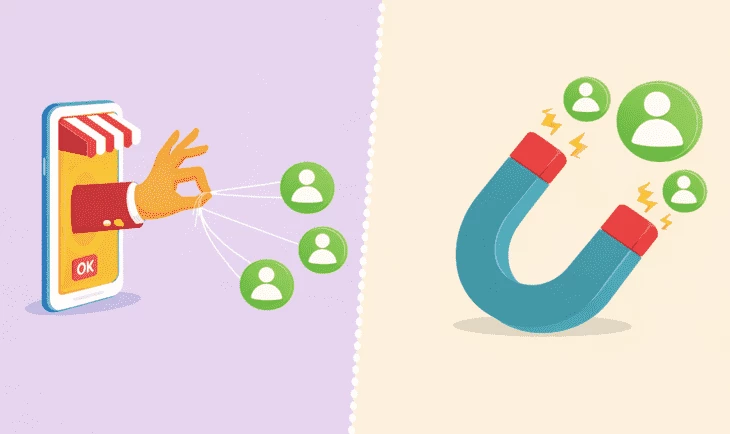
Why Retention Concerns Affiliates More Than It Seems
Retention is often viewed as a nice bonus for the advertiser. However, it changes the price of traffic for everyone involved, affiliates included. Two publishers can bring the exact same number of first conversions and still leave the advertiser with completely different results. Publisher A sends users who hang around, deposit, renew and pay again. Publisher B’s users convert with a straight face and then vanish as if they were only there for that glorious dashboard screenshot we mentioned earlier. Did both of them do the job? Seems like it. But in money terms – not even close.
Traffic performing well on arrival is easy to admire, we all have a soft spot for it. But that first conversion only shows you that the user got through the door. It tells you far less about whether they were worth inviting in. We already spelled out what happens when the industry ties affiliate earnings to what the user does next in one of our earlier articles:

But the issue we are discussing today is bigger than that. Even in models where the payout comes early and the reporting tries to neatly wrap things up, the value of the traffic still reveals itself later. Like we just showed, some affiliates bring fewer users, but better ones. Yet, many programs don’t reward that difference properly. Which brings us to the awkward question: if a first conversion is only part of the picture, why are so many publishers still assessed as if it were the whole thing?
Is Your Traffic Judged Too Early?
The market can be very impatient in making up its mind about traffic, don’t you think? For advertisers, the first conversion is the fastest proof that something worked, and for networks, early numbers are the easiest numbers to report. Well, shoot, publishers end up trapped inside that logic whether they like it or not. Because, duh, if the system rewards the first visible win, then of course everyone leans toward whatever produces it fastest. Look sharp in the initial cut of the stats and, well done, you already come off as more valuable than someone whose traffic needs a little more time to show what it is made of.
As much as we are dripping with sarcasm here, there’s a serious case of a warped incentive to deal with. A closely related problem was previously discussed in:

There, the question was who gets the credit when affiliate influence is real, but the sale is pinned on the last visible touchpoint. This time the distortion kicks in at a different stage, but the habit is the same. The publisher may get the credit just fine, but the conclusion still comes too soon. One conversion in and everyone is already nodding like the case is closed. That’s too generous, if you ask us.
To be clear, this is not some moral lecture about whether affiliates deserve the payout they already earned. If the conversion happened on agreed terms, it happened. The issue is that one early result still tells you too little about the actual value of that traffic later on. And our goal here isn’t to confuse the speed of acquiring leads with their… let’s call it durability.
What Metrics Reveal Retention Value, Then?
So if the first conversion is a weak place to stop the analysis, where should the real evaluation begin? A little later in the user journey, where traffic starts showing its actual worth. Advertisers and networks want to understand whether the users affiliates brought are really valuable or just highly cooperative ones, don’t they? In this case, they need to focus on picking up what happens after the first “success” has already been logged.
The most useful metrics here are:
30-, 60- or 90-day activity rate shows whether users are still around once the first burst of intent wears off;
Renewal rate is the obvious one here, because people either renew or don’t;
Repeat purchase or repeat deposit rate tells you whether the first action led anywhere meaningful;
Second-payment behaviour is often where weak traffic is losing steam, so to speak;
Time to second conversion is good at showing stronger users who don’t move first, but end up sticking longer;
Average revenue per user by source helps separate merely converting traffic from money-making one;
Churn or cancellation rate by publisher quickly shows whose users drop off once the easy part is over;
Refund or chargeback rate might ruin a success story which looked much cleaner in the first report;
Cohort value by traffic source is probably one of the clearest ways to compare publishers beyond the first action.
Can Affiliates Do It Differently?
Affiliates may not control what happens after the conversion, but they can definitely play a role in who gets there in the first place:
Users who are easiest to convert in the shortest time are not the ones you should chase. It’s better to focus on attracting users who are likely to have a real fit with the offer;
If your ad creates expectations the product cannot meet, the first conversion may still happen, but retention will usually suffer later. Keeping the promise in the creative as close as possible to the actual offer and user experience will help avoid that;
Sometimes users expect more context before you ask them for the conversion. So lay it out for them, because users who need a little more explanation can turn out stronger than the ones who react immediately and disappear;
Your content can be used not only to attract clicks, but also to qualify the audience before the handoff. Clear explanations and fewer exaggerated claims can help bring users who better understand what they are signing up for;
Helping users understand what happens after the conversion will reduce uncertainty and confusion, which means you’ll have better chances that the traffic will hold value longer.

Advertisers and Networks Need to Rethink What They Reward
Advertisers say they want quality traffic. However, at the same time, they reward publishers mostly for cheap first actions. Well, they are bringing it on themselves through training the market to chase shallow wins. Network reward logic is also somewhat flawed. They want stronger publisher quality, but only show affiliates top-of-funnel data. And how can you be expected to deliver better results if the part of the story that would explain how to get them is hidden from you?
If you always do what you've always done, you'll always get what you've always got. This piece of wisdom never gets old. A more sensible direction here would be to obsess less over raw conversion count and focus more on cohort quality. That also means affiliates need to see what happens to their traffic later, because it is hard to improve something you cannot properly track.
The payout system could also use an upgrade. If the quality of users after the conversion varies from one publisher to another, paying them all the same doesn’t quite add up. Hybrid payouts, tiers or bonuses tied to later results fit that reality better. That would probably reshuffle a few reputations. It could turn out that some affiliates are underpaid for the real value they bring. And on the flip side, so-called top performers might not look so hot once you zoom out on the funnel.
We partly touched on that idea in one of our recent articles. The point was that fewer sales can still mean higher revenue and that recurring or hybrid models can change how affiliate value is judged:

And really, that logic should not stay locked inside high-ticket offers. If the industry is serious about wanting better traffic, then it has to get more serious about what exactly it rewards. That is not a dig at affiliates, obviously. They respond to the incentives in front of them, same as everyone else. And the sooner the market admits that, the easier it will be to build a system rewarding affiliates more fairly and working better for everyone involved.
Conclusion
If you are the kind of affiliate who can bring users that stay useful after the first conversion, this whole conversation should not discourage you. Quite the opposite, actually. That is of real value, even when the market is slow to measure it properly. The industry may take its time catching up, but the affiliates who can attract durable and commercially strong users are not the problem here. They are ahead of the curve and their superpower deserves to be seen for what it is.