Traffic Cardinal
wrote March 19, 2026
Traffic Cardinal
wrote March 19, 2026
Traffic Cardinal
wrote March 19, 2026
Traffic Cardinal
wrote March 19, 2026
Affiliate marketing evolves, but some things remain the same: we’re always drifting in the ocean, trying to discover something fresh, something solid, and, above all, something remarkably high-ticket.
The research is reasonable: who doesn’t want to earn more without relying on massive traffic volumes? You can promote a shovelful of low-cost products and hope for a commission, or try a few premium offers and generate substantial income from a handful of sales.
Regardless of your views on the situation, we invite you to take a closer look at the high ticket digital marketing and decide whether it fits your bill.
What Is High-Ticket Affiliate Marketing?
As much as we want to jump to the topic of high ticket affiliate marketing programs, we’re bound to start from the very beginning and provide the basics: this is the best way for the buildup.
Definition and Key Characteristics
First and foremost, what is high ticket affiliate marketing? To tell you the truth, there’s nothing particularly complicated: affiliates promote premium-priced products and services, earning higher commissions per sale in comparison to standard offers.
Like any marketing approach, high-ticket affiliate marketing has a set of characteristics:
Premium products/services. Affiliates usually promote luxury goods, software, or coaching products.
Higher commissions. As a rule, earnings range from hundreds to thousands of dollars.
Longer sales cycles. Buying decisions take more time, as customers need more time to evaluate the product before purchase.
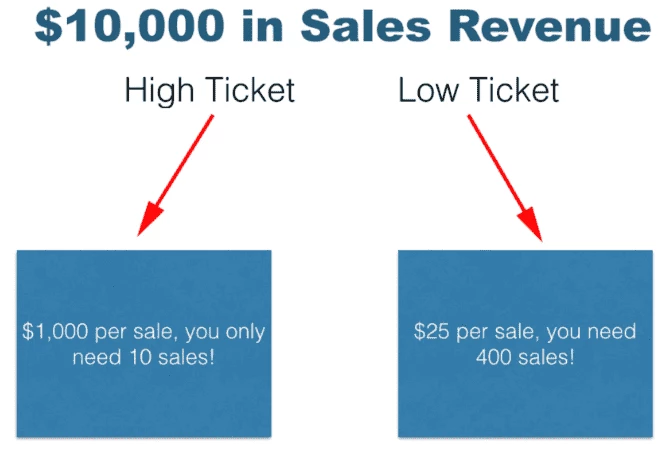
Lower volume — higher value. Affiliates need fewer sales to generate substantial income.
Relationship-driven marketing. Trust and authority are essential to convert leads.
How It Differs from Traditional (Low-Ticket) Affiliate Marketing
As we have already mentioned, high ticket affiliate marketing products — more expensive offers — define the structure and audience.
Still, there are other aspects to consider:
Effort vs. reward. Albeit high-ticket marketing usually requires more effort per conversion, it typically results in higher payoffs per sale.
Customer journey. Buyers need more time to make a decision because they’re contemplating whether to buy a truly expensive product.
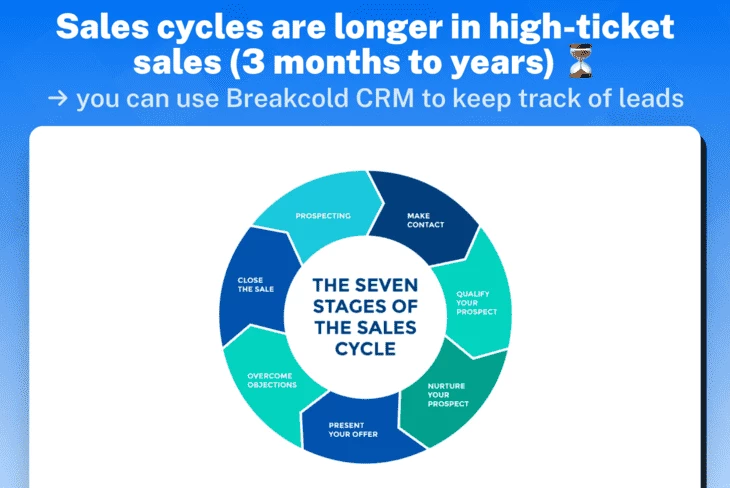
Sales approach. It’s no secret that low-ticket tactics work with quick conversions. High-ticket strategies are based on a different approach: they require high-quality content production, such as webinars, personalized funnels, and in-depth content.
Traffic strategy. Low-ticket strategies, as expected, are focused on mass traffic. High-ticket affiliates, however, stick to another approach: they prefer to deal with targeted and high-quality leads.
Commission size. The difference is more or less predictable: low-ticket items generate smaller commissions, which can be multiplied if the volume allows; high-ticket marketing, however, needs no such thing: the payouts are already larger per sale.
Is High-Ticket Affiliate Marketing Legit or Risky?
Before we segue to more complicated topics and programs, let us clarify one thing: high ticket affiliate marketing remains legitimate and widely used, especially among experienced affiliates who already know the ropes and understand the hallmarks of the niche.
However, the benefits — such as, for example, higher commissions — come with risks and challenges. First of all, remember that it has a higher entry barrier. At the same time, high-ticket marketing is not an impregnable fastness built to withstand scams. In certain cases, its lucrative designs become a smokescreen for “get rich now” cons and schemes.
Additionally, high-ticket campaigns usually take more time to pay back. They pay back tenfold, or close to that, but the income is not instant: customers spend more time examining your offer and twisting it this way and that, wondering whether they should buy it in the first place. Unsurprisingly, the entire endeavor implies greater responsibility, as customers are about to invest significant amounts of money.
How High-Ticket Affiliate Marketing Works (Step-by-Step)
High affiliate marketing may seem a little intimidating. But if you split the process in digestible chunks, you will be surprised to discover how coherent and smooth the transition from vertical into another can be.
Step 1 – Choose a Profitable High-Ticket Niche
In high ticket affiliate marketing, selecting a niche with high value and commissions is a vital step that can be categorized as make-me-or-break-me process. Before you begin, map out the niches that might be of interest to you. At the same time, you should not forget that the niche you finally pick should reflect your own aspirations: you must understand the audience and the marketing approaches you are about to use on said audience.
Step 2 – Join Reliable Affiliate Programs
Once you’re ready to roll, join a high ticket affiliate program. There’s no particular algorithm to follow: you simply need to discover a program with a solid reputation, transparent commission structures, and quality support that can solve any unexpected problem and address any grievance.
Step 3 – Create Authority-Based Content
That’s where your creative streak must take over and partner with the analytical part of your brain. You can’t just brandish high ticket affiliate products hoping to get much-desired attention; in point of fact, you should be very smart with the strategies: educational content, such as blog posts, tutorials, webinars, and in-depth product reviews can amplify customers’ determination to buy the product by playing with their curiosity.
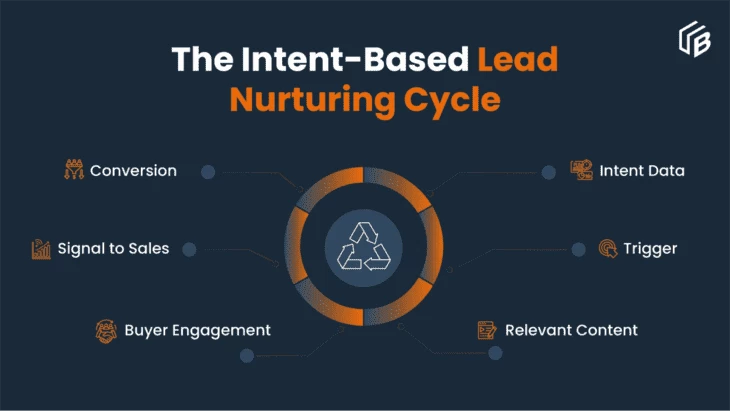
Step 4 – Generate and Nurture High-Intent Traffic
Driving traffic for high commission affiliate programs is a question of quality, not quantity, if we choose to draw a distinct line between the two and compare these techniques. Shift your primary focus to high-intent users, who are actively searching for the solution to their pain points, and work from there: try paid ads, retargeting campaigns, email, and sprinkle with targeted SEO.
Step 5 – Close Sales and Earn Large Commissions
As you can see, the process was not particularly complicated: it was a bulk of information that required clarification, and, consequently, there’s yet one thing we haven’t broached — conversion.
If you join one of the highest paying affiliate marketing programs, you can generate thousands of dollars per sale. It won’t be easy, true; it will require a lot of skill, patience, stamina, and ongoing engagement, but nothing is impossible, and you’re certainly capable of convincing users to make a purchasing decision.
Who Should Consider High-Ticket Affiliate Marketing?
“High ticket marketing is for professionals!” you might be tempted to yell, and, though it generally might be true, there are options: what professionals exactly? Breaking it down below.
Beginners vs. Experienced Marketers
Beginners often wonder how to start high ticket affiliate marketing, but the sad truth is that this particular niche may be a little too overwhelming. However, the challenges never exclude beginners from the number of affiliates who can thrive there: they simply need to dedicate more time to learning the fundamentals and contriving a clear strategy, unlike their experienced counterparts, who mostly focus on user acquisition, marketing skills, and data insights.
Content Creators, Bloggers & YouTubers
A high ticket affiliate is instrumental in data and analysis and can orchestrate an entire campaign with their hands tied, but we often neglect one of the many essentials of the affiliate trade. Content making is a shortcut to impressions and a key to engagement, so you should consider the option and deliver valuable content to present the promoted item in a favorable light.

Media Buyers & Performance Marketers
Another group of people that benefits from affiliate marketing high ticket programs includes media buyers and performance marketers. It probably doesn’t require a detailed explanation: media buyers cannot be caught unawares and know how to optimize anything with a variety of tricks up their sleeves (retargeting, tracking, paid ads, and more), so in their case, the right audience will definitely see the right offer at the right time.
How Much Can You Earn with High-Ticket Affiliate Marketing in 2026?
Now that you have an impression — however vague — of how to do high ticket affiliate marketing, it’s time to find out whether it’s worth doing high-ticket affiliate marketing. It’s hard to come up with a solid number, but we’ll do our best to show you the range.
Realistic Income Expectations
Highest paid affiliate programs don’t have a distinct price tag: the income may depend on a variety of different factors, where traffic sources, marketing skills, or the niche are the most obvious ones. As a result, various affiliates earn various amounts: some start with a few grand; others earn thousands of dollars, and top-performers aim even higher — for tens of thousands per sale.
Commission Structures (Flat, Recurring, Hybrid)
Commission structures also vary — perhaps just as much as the earnings themselves. At the same time, the highest paying affiliate program models follow three common commission patterns:
Recurring commissions. Ongoing commissions for subscription-based products.
Flat commissions. One-time payout per sale.
Hybrid. Upfront payment and recurring revenue.
Case Example: Fewer Sales, Higher Revenue
We almost forgot to add high ticket affiliate marketing examples. There won’t be many, but one is definitely enough for you to envision the unwritten principle: fewer sales — higher revenue.
As you can imagine, this vertical makes things possible: say, you sell ten $1,000 subscriptions. Doesn’t sound like much at first, but then you make a quick calculation: in this niche, it actually amounts to $5,000–$10,000 in commissions. Evidently, it can’t compare to the low-ticket products: to earn $5,000, one has to put a lot of effort into selling hundreds of such items to reach roughly the same revenue.
Best High-Ticket Affiliate Niches in 2026
Our duty is to show you where you can prosper. In 2026, there are five major directions.
SaaS & B2B Software
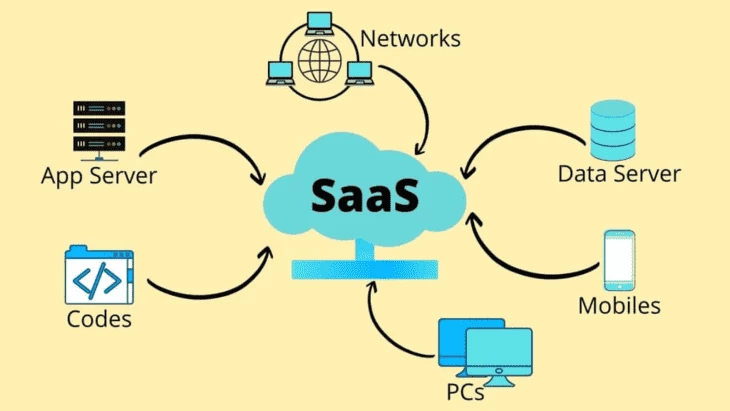
SaaS and B2B software open the list of the most profitable niches, as they have recurring revenue models and high LTV. This niche abounds in the highest commission affiliate programs, giving access to SEO tools, marketing automation systems, and CRM platforms, which are always in demand: affiliate marketing is evolving, and who knows where it takes us next?..
Online Education & Courses
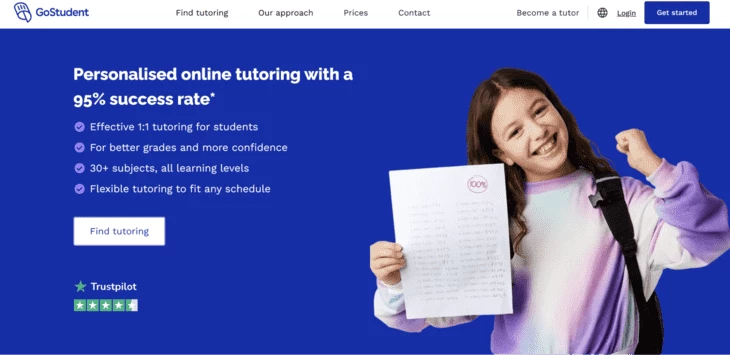
Long gone are the days when we visit a class to learn something new!.. Now, we type the query into the search bar and wait a split second to examine a list of online courses and education opportunities. Modern users are willing to invest in skill development and career advancement, thus making online education platforms a great category for wealth affiliate programs, especially those that promote premium coaching and courses.
Luxury & Premium Consumer Goods
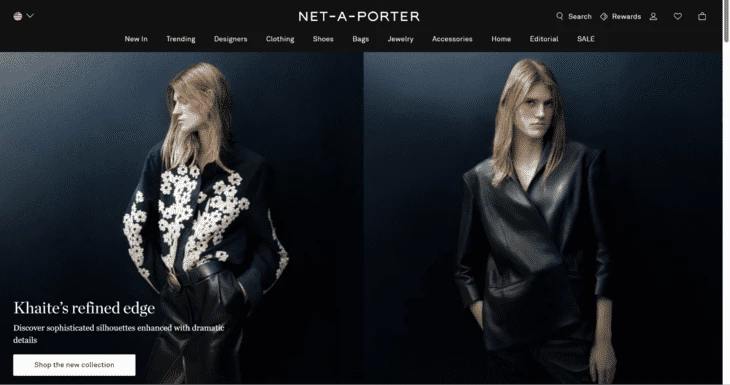
“Luxury goods” is hardly a good name for the niche, which covers a variety of items and services, including designer goods and travel experiences, but it is what it is. Either way, the vertical might not have an audience the size of the African continent, but the price points will be a pleasant surprise.
Finance & Investment Services
Where else would the Wolf of Wall Street loiter? Of course, in the finance-related niche. You don’t have to target a specific Jordan Belfort — just find out where his ilk would be grazing: scrolling through trading platforms, examining credit solutions, or checking out available investment tools.
Web Hosting & Marketing Tools
Consistent demand is not everywhere, but it is very much reflected in the web hosting niche: providers tend to offer exceptional opportunities, especially for premium plans and business solutions. If you’re one of the affiliates who have a growing interest in tech, you’ll be able to pull off an exciting campaign dedicated to email marketing, website creation, and analytics tools.
15 Best High-Ticket Affiliate Marketing Programs (2026)
We’ve been talking about high-ticket programs and techniques, but we haven’t yet given you a starting point. Well, choose one of the options below and set sail!
Shopify
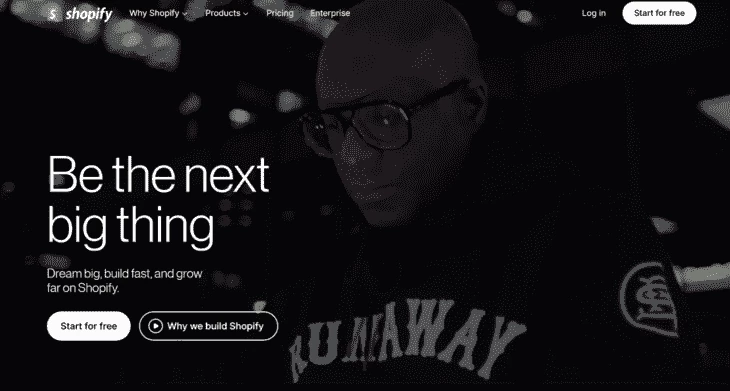
Regardless of your professional preferences, interests, and passions, you must have heard about the almighty Shopify, the Bible of the e-commerce space. The status of the Bible sets certain expectations, and you are not to be double-crossed: Shopify offers one of the highest commission affiliate programs in the e-commerce space, rewarding affiliates for referring new store owners. Besides, its reputation and global reach make the program a reliable choice for long-term earnings.
Semrush
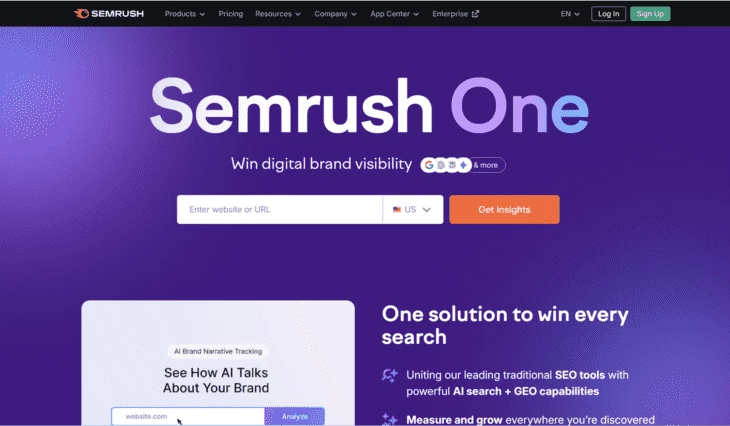
Everyone who has ever dealt with SEO — no matter how briefly — must have encountered this remarkable platform, which is also prominent in all types of marketing. Its focus, not restricted by one specific niche, appeals to hordes of agencies, marketers, businesses, and other high-intent specialists, looking for hi-tech solutions such as competitor analysis, site audits, or keyword research. You know what to do next: if you can share the sentiment, promote Semrush’s subscription-based tools and get your recurring commission.
HubSpot
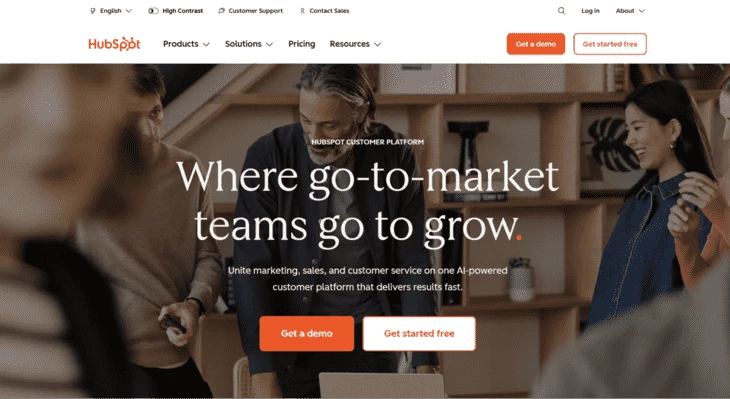
HubSpot is another platform that may strike your fancy if you’re looking for a high-ticket option. It’s a comprehensive CRM and marketing suite, which covers everything that comes to mind: marketing, customer service, and, of course, sales. Affiliates can mention HubSpot’s impeccable reputation and educational content to build trust and promote the platform to growing companies.
Kinsta
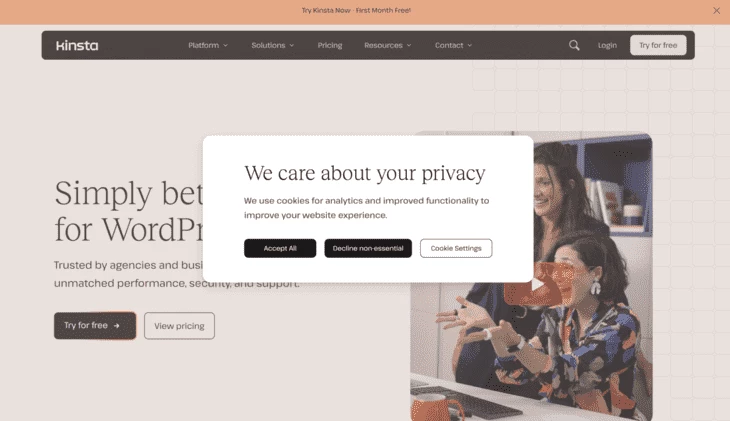
Kinsta may not be as omnipresent as the previous options, but it’s a solid choice for any affiliate who knows what WordPress is and wants a generous payout sent to their bank account.
Kinsta focuses on security, performance, and generally attracts high-traffic websites, agencies, and professional users. Don’t think twice: Kinsta’s premium position allows affiliates to scrape up a fortune even with a small number of referrals.
ClickFunnels
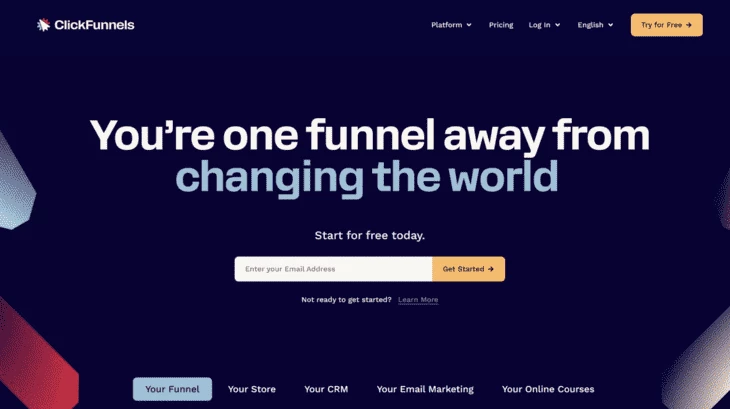
Ever heard of that? If you haven’t checked it out, here's the general bit: ClickFunnels is widely used for building sales funnels. The target audience of the platform includes digital marketers, entrepreneurs, and coaches — in other words, people who rely on optimized funnels to drive sales. In order to attract these well-to-do users, you can present case studies, create tutorials, and demonstrate funnel-building guides.
Teachable
One of the many platforms that enables people to build and sell online courses, but one of the few platforms that remains a key player in wealth affiliate programs tied to the education sector.
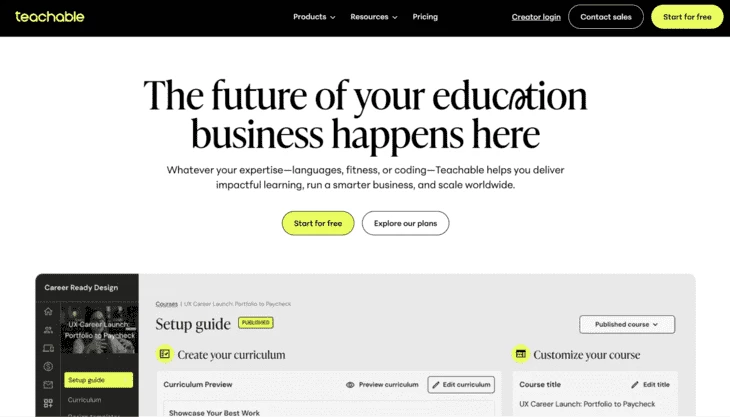
You may or may not have noticed that the demand for online learning continues to grow, and Teachable is ready to offer its services for educators of all levels and entrepreneurs. Evidently, affiliates can now target course creators and highlight how the platform simplifies content delivery, payment processing, and student management.
Authority Hacker
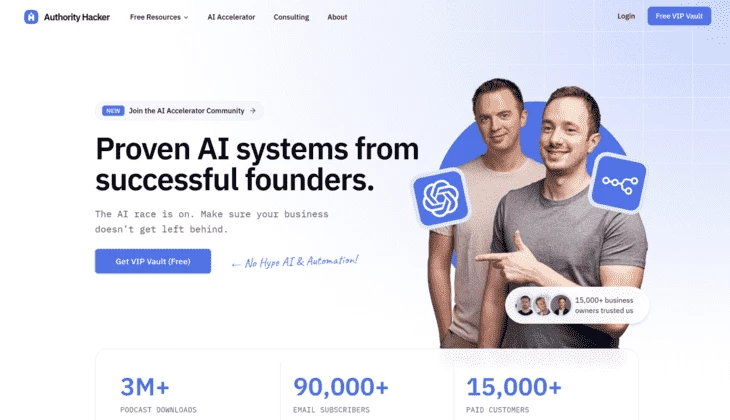
We’re still on the topic of training, but let’s give this education a major, and this major is affiliate marketing. Authority Hacker’s courses and programs are designed for serious marketers eager to build authority websites and long-term income streams. Promotional campaign formats require your creative streak: write reviews, create tutorials, or share personal experiences to build trust with potential buyers.
WP Engine
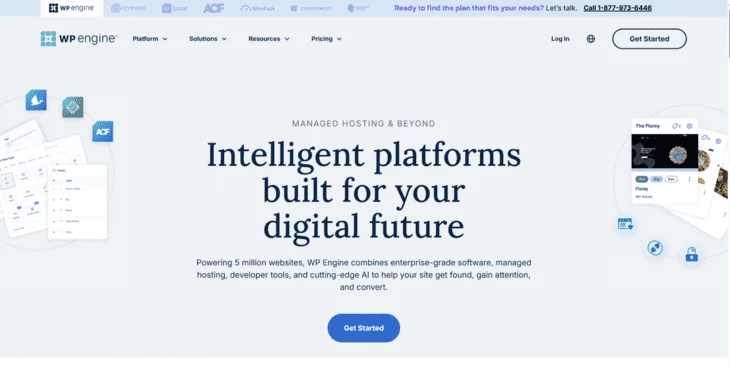
WP Engine is a platform that caters primarily to businesses and developers who are looking for a high-performing and reliable hosting solution. Yes, it’s more on the pricey side, but its advanced features can be justified — use this point in your campaign, and you’ll get your desired commission.
GetResponse
Email marketing is not dead — not even about to go extinct; you just need a solid solution and automation tools!.. Use it for your campaign along with the bits of information you’ll glean.
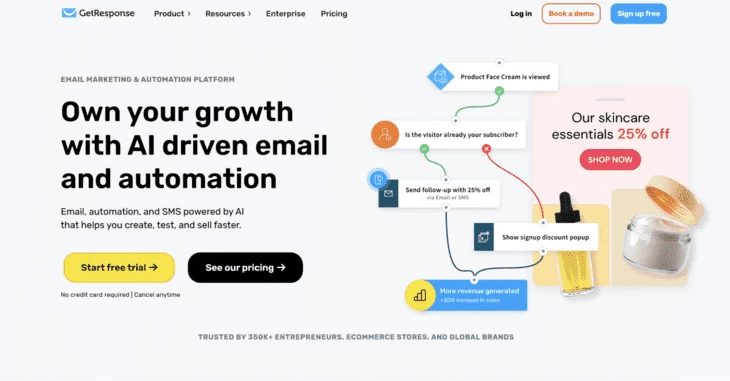
What else? Well, GetResponse is a solution that has everything in one place, webinars and landing pages included. You can position the platform as a cost-effective and powerful solution that builds and nurtures customer relationships.
Thinkific
You’ve heard about this one if you’re in the online education industry, but we’ll share the details nonetheless.

Thinkific allows creators to build and sell online courses regardless of their technical skills: you can share your expertise without even knowing how to code. All in all, it’s easy to use, fun to customize, and possible to scale.
Google Workspace
Google Almighty! Another product cranked out by the omnipresent corporation, which is actually used across all industries.
Gmail, Docs, Drive, and a bulk of effective solutions provide unique collaboration tools for teams and organizations alike. Its widespread adoption and trusted brand make it easier for affiliates to promote.
Salesforce Partner Program
The Salesforce Partner Program is a leader in enterprise software. The company’s CRM solutions are generally used by large organizations, which makes it a highly lucrative option for affiliates targeting corporate clients.
Fiverr Pro
Freelancers need a client, and companies need a freelancer who can accomplish a task they don’t have a specialist for. Some smart person examined the demand, found the problem, and created a platform to help the parties unite.
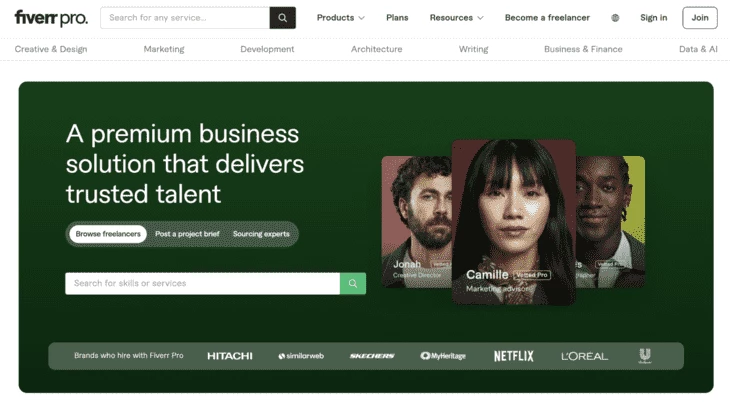
At the same time, however, you should scrutinize the hallmarks of the platform. It is often said that Fiverr Pro focuses primarily on vetted professionals and bigger tasks, so you’ll have to find out whether this is exactly the case and mention it in your Fiverr Pro campaign.
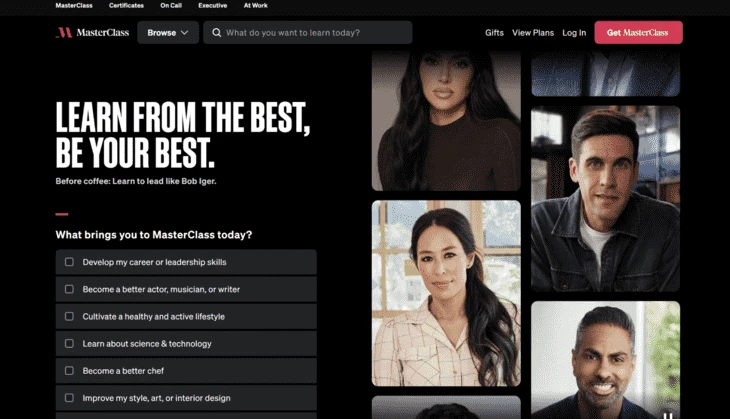
MasterClass
Another educational program you should know about! This one features courses taught by well-known experts and industry leaders, and it mostly appeals to users seeking inspiration and skill development.
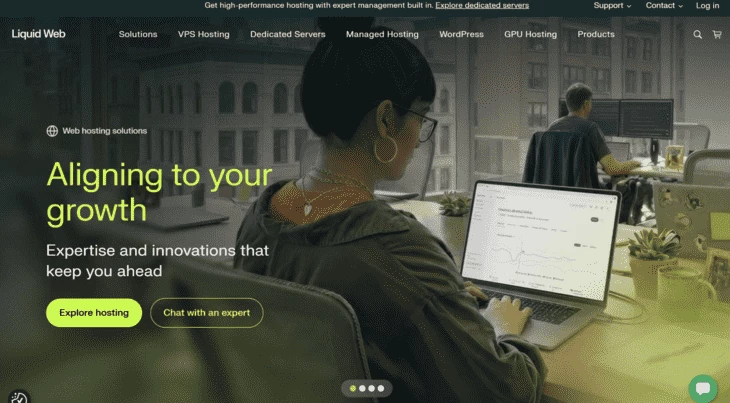
Liquid Web
Reliability and performance are the two words that are synonymous with Liquid Web. This platform specializes in managed hosting solutions for agencies and businesses, especially if such agencies and businesses need VPS, dedicated servers, WordPress, or WooCommerce hostings.
How to Choose the Right High-Ticket Affiliate Program
Here you will find the criteria professionals normally consider before making a choice.
Commission Size vs. Conversion Rate
The main concern is a balance between the commission size and the conversion rate. High-ticket affiliate programs tend to have lower conversions, especially if the product is expensive or niche-specific. It works the other way around as well: programs with lower commissions might convert more easily due to broader appeal.
Brand Reputation & Product Quality
Brand reputation is crucial, and it’s even more pivotal when high-ticket programs are involved. This reputation protects both the clients and the affiliates who promote products and services created by the platform. In the event of a dispute or controversy, you — as an affiliate or a customer — can be confident that your interests are not compromised.
Cookie Duration & Payment Terms
Younger affiliates tend to neglect the cookie duration and payment terms — two points that can directly affect their earnings. We’ve mentioned the longer sales cycles, and this is exactly the reason: longer cookie periods give affiliates more time to earn commissions from leads that convert later.
Recurring vs. One-Time Commissions
You can generally meet these three commission structures: one-time payouts, which are credited to your account immediately after a sale; recurring payments, providing ongoing income; and hybrid, which combines features of the previous two options.
High-Ticket vs. Low-Ticket Affiliate Marketing
Finally, a detailed comparison of the two options.
Key Differences
In high-ticket marketing, promotion of expensive products and services always comes with larger commissions per sale, but the customers in the niche require more education and trust.
Low-ticket marketing is exactly the opposite, as it normally relies on volume and frequent but smaller purchases: users don’t think too much and quickly proceed to checkout.
Pros and Cons of High-Ticket Offers
Now, let’s break it down. We’ve mentioned them all before, so we will just sum it up.
Pros
Larger payouts.
Lower transaction volume.
Recurring revenue potential.
Cons
Longer sales cycles.
Higher barrier to entry.
More responsibility.
Risk of low conversions.
Which Model Is Better for You?
The thing is that we cannot choose it for you: it is one of the decisions you are to make, and it should be based on your goals, preferences, resources, and audience. Typically, high-ticket marketing suits experienced affiliates, and low-ticket niches are normally preferred by beginners or mass-audience platforms, but it’s always possible to combine the approaches or try your luck in either
Proven Strategies to Succeed in High-Ticket Affiliate Marketing
Take a closer look at the campaigns that can help you win that fight.
Build Authority & Trust
In high-ticket niches, trust is everything, and you must build authority and credibility to convince your customers, highly cautious and selective, to proceed to checkout. For that, you can regularly post recommendations, reviews, or other valuable content.
Use Long-Form, Value-Driven Content
Education thrives here, and, surprisingly, it means that long-form content becomes effective. Consider case studies, product comparisons, and detailed guides as your next weapon.
Leverage Email Marketing & Funnels
Email marketing is a strategy that can lead to success in this niche because of the longer sales cycles. You don’t expect immediate conversions; instead, you try email sequences.
Combine SEO with Paid Traffic
The reason is simple: while SEO attracts consistent visitors, who are actively looking for a product that can solve their problem, paid ads previsualize the strike and target these potentially interested audiences.
Optimize and Reinvest Profits
Results cannot be improved without tracking and analysis: if you wish to take your campaign to another level, check your data dashboard, optimize accordingly, and test new approaches.
Common Challenges and Mistakes to Avoid
Sometimes one should see what is possible in the niche to never wade through high water.
Promoting Products You Don’t Understand
Rule #1: You should always promote the products you understand, otherwise you’ll damage credibility and reduce your own conversion rate, which can already be relatively low. The thing is that customers in this niche expect detailed knowledge and clear explanations, so affiliates must invest time in learning the product and its value.
Ignoring Audience Intent
Don’t ignore the high-intent users, who are actively looking for solutions! Keep your targting settings finely attuned and check them whenever you can to refine.
Overestimating Early Results
Longer cycles, remember? If you hasten to overestimate it, then you probably don’t understand the specifics of the niche: the conversions here don’t happen immediately, and it’s normal, so just learn to set realistic expectations.
Poor Lead Nurturing
Yes, the leads must be nurtured, and that’s a challenge. Buyers in this niche barely convert on the first interaction, but it can be solved via a consistent follow-up.
FAQ