Traffic Cardinal
wrote March 26, 2026
Traffic Cardinal
wrote March 26, 2026
Traffic Cardinal
wrote March 26, 2026
Traffic Cardinal
wrote March 26, 2026
Here’s a riddle for you: seeing something once or hearing about it a hundred times – what’s more convincing? Most people lean toward the first one. Alright, and what if you get to live through the experience? Even for a minute? Hard to beat that. Marketers caught onto this trick a while ago. Whatever the niche, they’ll find a neat way to pull users into direct interaction with the offer instead of burying them under a mountain of explanations – and after that, getting off the hook gets a lot less easy. Today we’ll dig into why simulated experience boosts conversions better than explaining the offer to death, and look at some formats and tricks already floating around the market that you can easily try on your own funnel. Read on!
Just Looking or Already In?
When building our sales funnels, we often fool ourselves into thinking that users are sitting there, carefully reading and weighing pros and cons like responsible adults. Take off our rose-coloured glasses for a second and we’ll learn that an average user usually skims, scrolls, gets distracted, comes back, forgets what they just read and makes a decision somewhere in between those tabs and notifications. So when you give them more text, features and other overwhelming details as to why they should click on your offer, you are asking for effort. And effort is exactly what they are trying to avoid.
Now compare that to what happens when the user actually does something: clicks through a quiz, sees a balance move, plays a round or gets a suspiciously personal result. They are free of the burden to process chunks of info and go straight inside a tiny version of the outcome. Their brain doesn’t have to translate “this could be useful” into “this is what it feels like” because you've already done that part for them.
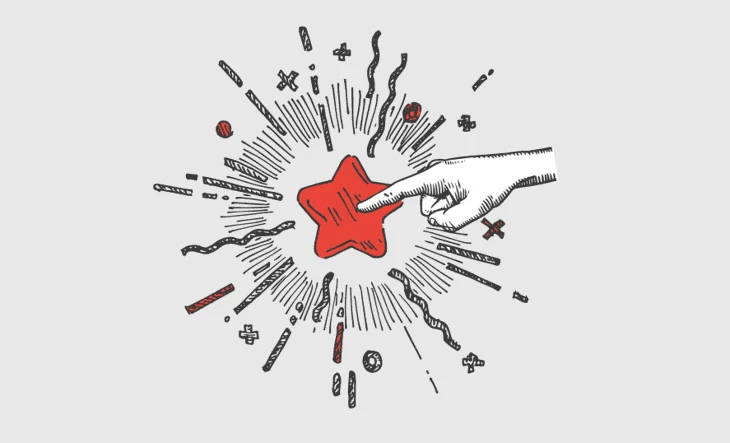
There is also a small psychological trap here working in your favour. When you give the user a chance to interact with the experience, even lightly, it no longer feels imposed. Once they play with the offer, it stops being hypothetical and becomes their own progress or setup. And people don’t like abandoning things that already feel like theirs, even if they technically got them 20 seconds ago. They can easily walk away from a landing page, but walking away from something they’ve already “started” might feel more like quitting. And who wants to see themselves as a quitter? No one, that's who.
Another detail: experience simulation answers the most annoying question in any funnel – “what happens next?” You can try to explain the flow in three paragraphs or you can just show it and remove uncertainty along with hesitation.
How It’s Already Being Done
Okay, are you ready to see some juicy examples of how to pull your users a step into the experience and let that do the convincing?
Let’s start with financial offers, where users overthink everything and click nothing. You can explain strategies for long-term growth all you want, but most people will just nod politely and move on. Show them a version of their future instead and they start seeing it as their money, safely multiplying somewhere. At that point, they are already deciding if they are okay with not having it.
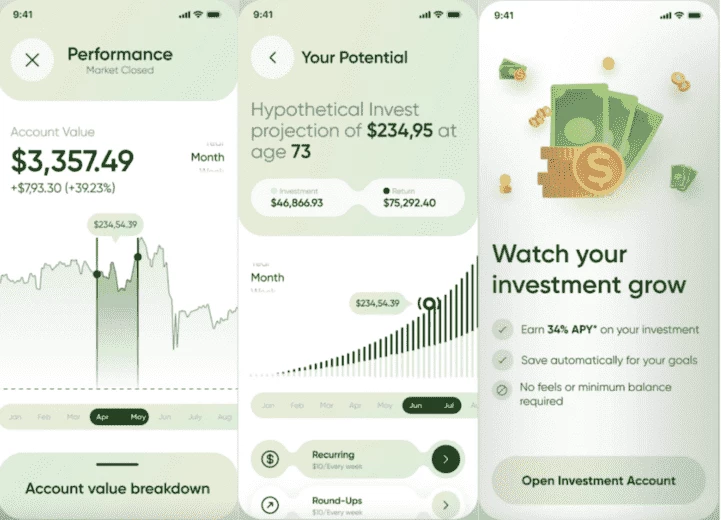
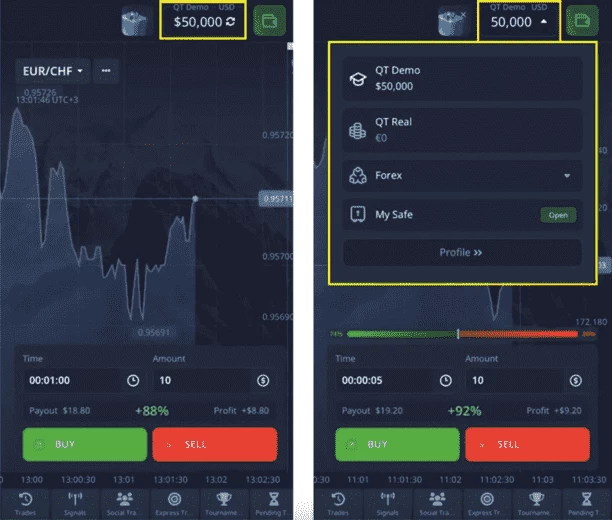
And while we are here, demo accounts take it one step further. Instead of promising your users they’ll figure it out after signup, you can drop them straight into a working environment with preloaded (but not quite real) funds. They won’t have to rummage through those abstract “you could trade like this” landing pages anymore, because clicking buttons and watching charts move is much more fun. Yes, by the time real money enters the picture, users will have to accept that they were just doing it… for free. But that’s a story for another time, what matters is that the conversion is already yours.
In iGaming ads, the first hook often comes disguised as a little gift from the universe. A bright pop-up tells the user today is their lucky day, they have free credits, with a wheel waiting and a jackpot within reach. That kind of invitation works because it entirely skips the dry part. Nobody has to sit through a lecture about why the platform is exciting when they’ve already been handed a tiny chance to test their fate.
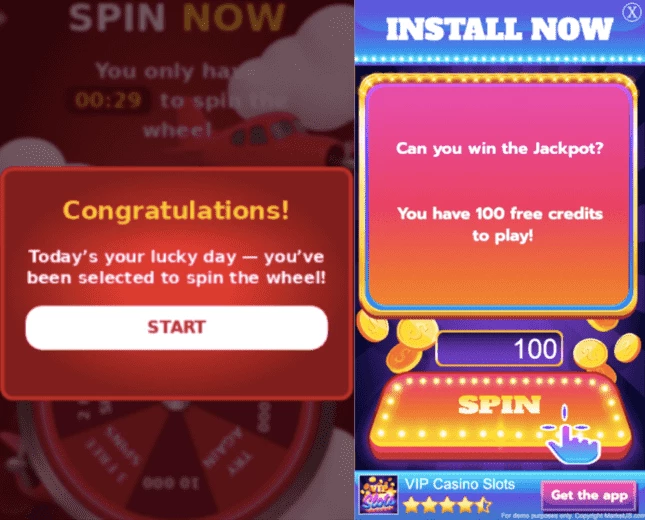
The wheel pushes it further. The user isn’t reading about rewards in some stale promo block because they are busy watching the pointer slow down and hoping it lands somewhere nice. A spinning mechanic is simple, which is why it’s so effective.

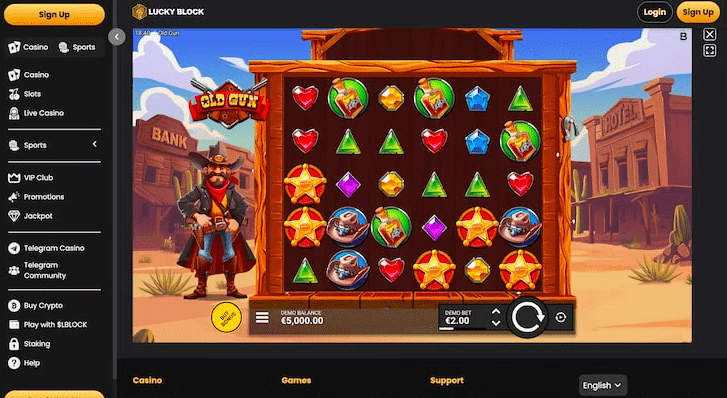
And then the slot gives the trick its full form. Reels spin, symbols line up, ah, so exciting!
Now the whole thing makes its point with far more charm than a landing page ever could. Once a person has played even a little, their barrier is slowly lowering, because continuing feels much easier than starting from scratch.
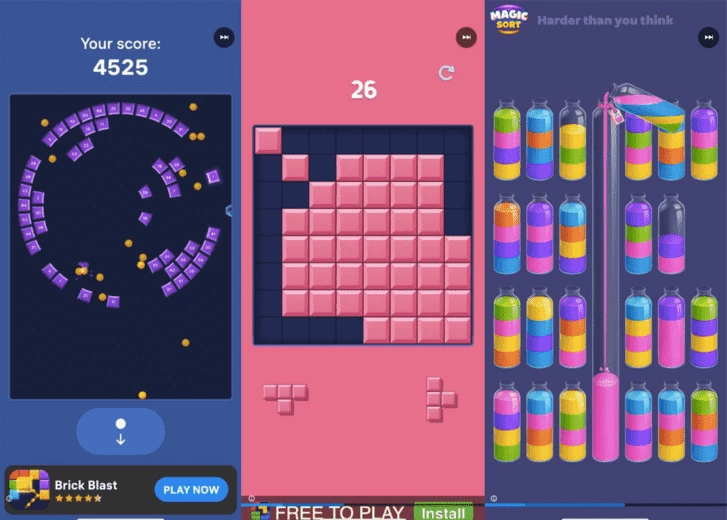
Playable ads take the same idea and place the users in the middle of a level, making them move pieces around and try to finish something they didn’t even ask to start. There is no need to imagine what it’s like to play this game, because they can do it right inside the ad. Those games always get cut just early enough to be annoying, leaving the user with a dilemma: finish it… or walk away now?
Now onto the rich and layered e-commerce niche!
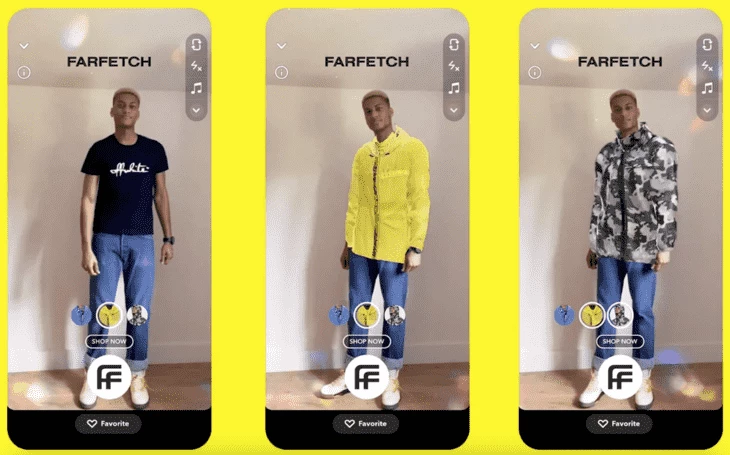
In the fashion category, the gap between “looks good” and “will it look good on me” kills a lot of clicks. Static photos don’t help much, so you need to let users swap outfits on a model or, better, on themselves. “Do I like myself in this piece?” is a much more dangerous question for the wallet.
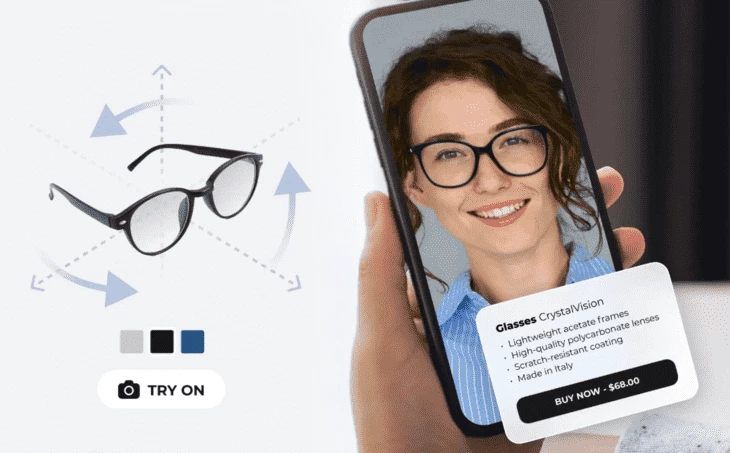
Accessories can also be tricky, especially glasses, because nobody trusts their imagination with face geometry. You can go on and on about frame sizes and lenses in your promo campaigns, but it won’t answer the only thing people care about. Put the frames on their face and the decision is almost made.
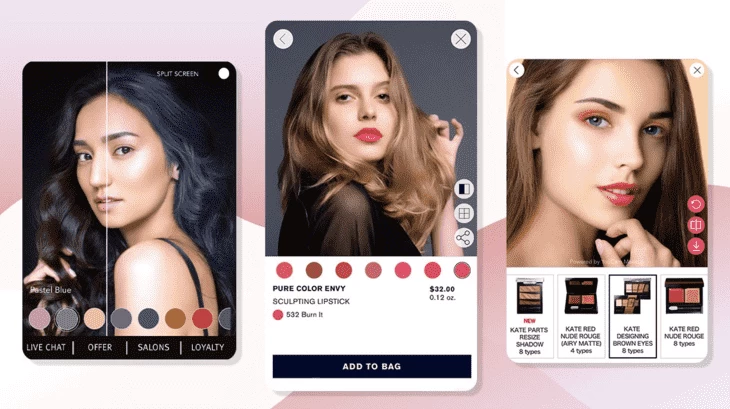
Makeup simulation can be as addictive as building a Sims character. Doing a full face, then a slightly different version just to compare… And while users are busy perfecting their looks, the cart is stealthily filling up.
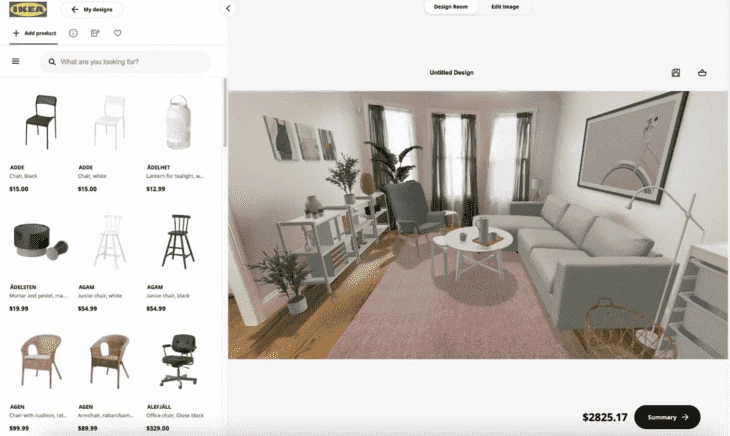
Furniture is undoubtedly a bigger scale, but still doable. A chair in a catalog is easy to ignore, a chair already sitting in your living room is not. With AR technology in play, users can drop items into their actual space and rearrange things around them. The only thing left is whether they are ready to commit to what they are already seeing.
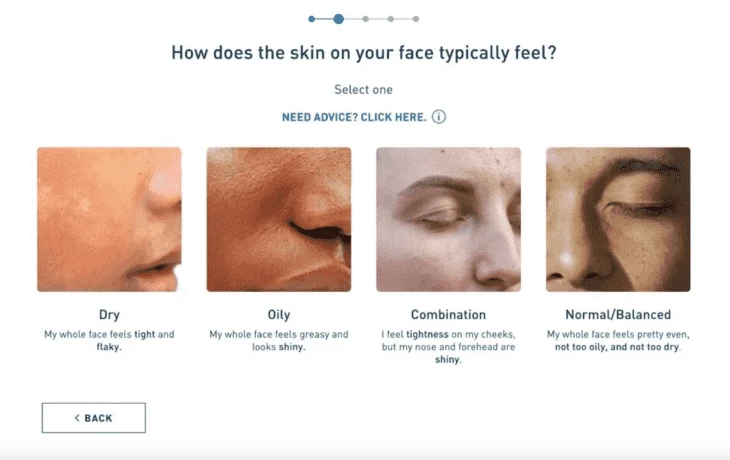
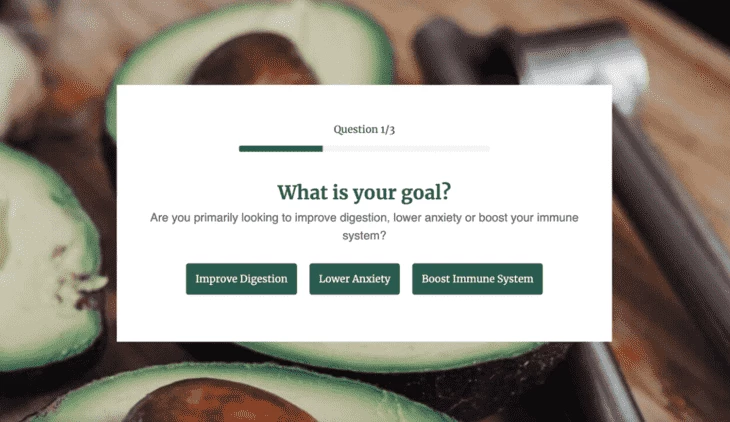
Quizzes for wellness offers can both do the job and not sound like they are selling something. A couple of simple questions and users have already embarked on their personalised journey. The product choice is tailored in real time so reading through generic claims can be spared. By the end, it’s their unique result, not some random recommendation. And it feels premium, like you just got a professional consultation. Nice!
The same trick shows up in broader health and lifestyle offers. Throwing a list of benefits at the user is a tired old strategy. The funnel asking what they want to fix or improve is much better. Once users pick a goal, they’ve already committed to a direction. Everything that follows feels like a logical next step they chose themselves.
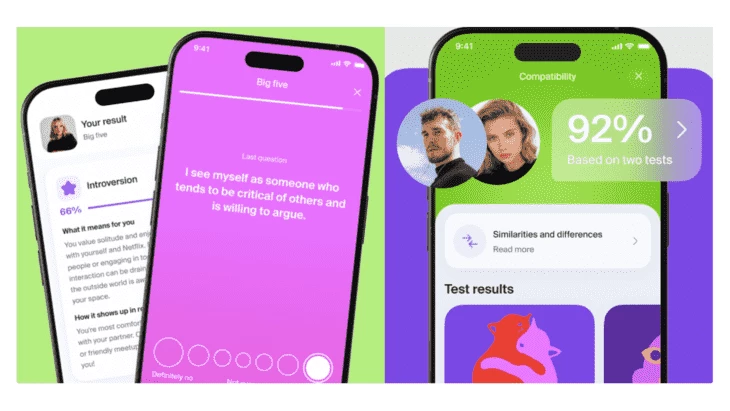
A dating offer can mumble another generic promise to “find your perfect match” until the cows come home. Or you can give users a personality breakdown, slap a percentage on the screen and let a number claim to know their odds. That little performance makes romance look analytical, like “you and this stranger are mathematically compatible and the app’s got evidence”. After that it’s hard not to check where this story goes.
Conclusion
You don’t need to reinvent anything here, just stop doing all the talking. If users can read about it, they can ignore it. If they can step into it, they are already moving towards conversion and your job gets a lot easier from there. So take a hard look at your funnel and find that one spot where you can swap explanation for interaction, even in a small way. Give them something to click, tweak, spin or try. The rest tends to sort itself out once they are no longer just looking.