Traffic Cardinal
wrote January 12, 2026
Traffic Cardinal
wrote January 12, 2026
Traffic Cardinal
wrote January 12, 2026
Traffic Cardinal
wrote January 12, 2026
Rumour has it everyone is sick of “New Year, New Me” resolutions. At least, if they weren’t before, they are now. The inbox is clogged with toxic productivity hacks and endless goal‑setting templates nobody asked for. The truth is, at the beginning of January, people aren’t looking for another checklist. Our best guess? They are looking for a nap! They sip leftover champagne and browse in sweatpants, dodging any pressure that comes their way. This post‑holiday pause gives affiliate marketers a rare chance to offer something restorative. Not performative – that’s for sure. Everyone could use a little empathy, after all. Let’s see how a slow start and a soft sell will keep you relevant long after the confetti settles. Read on!
SaaS and Productivity Tools
The usual pitch? Oh, you know it – the pep rally for hustle along with the endless chant of “optimize every second”. And sure, maybe that works when people are in peak season mode, caffeinated and pretending they love their calendars. But now? Slow weeks, inboxes swollen with holiday leftovers… The verdict: nobody is buying this sermon.
So what do you do instead – you, the affiliate, the one trying to sneak relevance into a tired scroll? You lean into gentler things. A pause for the mind, a bit of breathing room on the screen, the mess finally backing off. All in all, SaaS as a relief.
Examples? Fine, let’s name them. Email declutter apps – one satisfying click and the junk is gone. Minimalist planners for getting things out of your head digitally and then ignoring them until you feel like it. Habit trackers with playful nudges, winking at you like: “Hey, wouldn’t it be funny if you actually stuck with this one?”
And the trick – the CTA – don’t overthink it. Just keep it human and light. “Clear the clutter in minutes” or “Make space for what matters”. The less it sounds like a motivational poster, the more people will click. And isn’t that the point?
Online Education
Education offers are promoted just like gym memberships – through big promises and shocking transformations. “Become a designer in 30 days” or “Finally learn Python and change your career”... we bet you’ve heard that a thousand times. Sure, this kind of pitch might work when people are in a rush or desperate for a ladder out of their current job. But in the quiet weeks such messaging feels too much like homework. And that’s the last thing people want when the world slows down.
So instead of transformation, sell the curiosity itch. “I wonder what it’s like to mess around with Illustrator for an afternoon” or “Maybe I’ll try a few lines of code just to see if I hate it”. It’s low-stakes and exploratory. Flirting with skills, not marrying them.
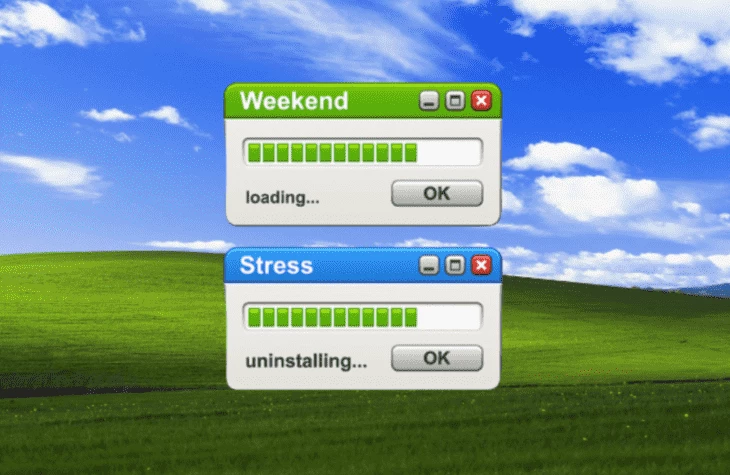
Free trials have never looked so attractive before – Adobe, Canva, Skillshare, Coursera and all those “try before you buy” bundles. Mini-courses with two hours of design basics, language apps with gamified streaks, coding sandboxes where you can experiment without needing to install half the internet. Just a quick knowledge snack while bedrotting in your pyjamas.
School gave most of us collective trauma, so keep your CTAs feather-light and make it sound like a dare: “Play around for free”, “Test-drive your creativity” or “See if this sparks something”. Push the idea that it’s the perfect time to try something new – just you and a skill you may or may not care about tomorrow. And that’s fine.
Wellness and Mental Health
Wellness brands love exaggeration. Supplements are your miracle cures. Vitamins will shield you against invisible harm. Anti-age serums are promoted as time travel in a bottle… yada yada yada. The tone of such ads is usually urgent, almost panicked: “Take this or regret it forever”. When the year’s just started, this intensity feels off. We wouldn't like to be told we’re falling apart while lying around after overstimulating holidays. Would you? So, you see, the pitch collapses under its own weight.
What then? A sense of slowing down, letting things settle and giving yourself permission to do nothing and call it wellness. The “becoming a new person" slogan is banned, but giving the current one a breather – that’s what we are aiming for here.
You’ll have plenty of products to offer, just don’t get overwhelmed (drink some chamomile tea if you do). Sleep supplements for quality rest. Herbal blends as a ritual, not a remedy. Vitamins for balance instead of transformation. Beauty kits leaning more toward pampering rather than panic. Meditation apps, yes, but as a garnish – ten minutes for zoning out. Digital journaling if you want to stretch the category, but the main play is nutra: little bottles filled with little promises.
Here we keep CTA soft, almost lazy. “Press pause”, “Give yourself a break” or “Let this do the work”. Make your audience feel seen: they’ve already survived family dinners and gift-wrapping Olympics, now it’s time for your supplements to babysit their nervous system for a while.


Personal Finance and Budgeting
Have you noticed how money talk always comes in the form of a lecture? Endless charts, alarms, fingers wagging about your everyday latte habit… Oof, as if guilt were the only motivator. “Stop wasting, start saving, take control!” – you know the drill, it’s exhausting. Nobody is clicking “download app” after being scolded.
So what if we drop this punishing attitude to personal finance? Better to replace it with a casual peek – “let’s see what’s going on here”. In other words, clarity without shame.
Offers? Easy. Budgeting apps with friendly interfaces, looking more like toys than torture devices. Cashback platforms rewarding users for existing. Financial courses explaining money without jargon or condescension.
Money is a sensitive topic, for some people it’s the quickest way to feel vulnerable, so make your CTAs easygoing: “Numbers don’t bite. Peek at them, laugh and move on” or “Your budget isn’t a villain – it just wants a little attention”.

Tourism
Travel ads come at online scrollers with adrenaline shots ready: “Book now, seats are filling fast!”, “Last chance for paradise!”, “Don’t miss out!” Countdown timers and flashing banners play with people’s FOMO, like booking a flight is some kind of a competitive sport. But all they really want right now is to daydream on the couch.
Affiliates need to opt for a different vibe. It’s not “pack your bags tonight”, but rather “let your imagination wander”. Fantasize now, build your travel mood board and schedule later – that’s the hook.
And the offers slot right in! Trip planners and itinerary tools for sketching routes like doodles. Platforms for quirky local experiences you can window-shop and bookmark for “someday”. Travel gear for spontaneous detours and cozy inns. Anything that fits into buying the idea of yourself as a traveler.
CTAs for these ads can be playful and conspiratorial: “Plot your escape, no rush”, “Bookmark your next adventure” or “Pack your imagination first”. The trick is to make it sound like a secret people are keeping from their calendar, letting themselves drift into the possibility of elsewhere.

Dating and Relationships
The way dating is often marketed? Like it’s a conveyor belt: swipe, match, marry and live happily ever after. But a love life isn’t a project plan, especially when you are low on energy in the slower stretch of the year.
What’s the alternative, then? Maybe the point isn’t to promise fireworks or soulmates at all – maybe it’s just to nudge people into brushing off the dust. They might not even need a grand plan. An excuse to wander back into the room and see who’s hanging around is more than enough.
It can be anything, but make sure it reads fun and whimsical. Dating apps with playful personality quizzes. Virtual date ideas: cook together on Zoom and laugh at how awkward it is. Let those who are not ready to lock down a future make the present less boring.
CTAs should drive at that looseness: “Say hi without knowing where it goes” or “Update your profile, see what happens”. A friendly reminder that connection can start with something as small as a chat bubble.


Conclusion
So here we are, end of the pitch, and you are still reading, which means you are serious about making slow weeks work. Good, because your audience isn’t serious about anything right now. They are lazy, curious and distracted. Match that mood and you’ll have them leaning in, even if just for a moment. And if you also manage to dodge dopamine traps and fake pep talks, you might just sneak past their defenses. Which, let’s be honest, is the only real win in marketing anyway. Good luck!