Traffic Cardinal
wrote February 20, 2026
Traffic Cardinal
wrote February 20, 2026
Traffic Cardinal
wrote February 20, 2026
Traffic Cardinal
wrote February 20, 2026
Although every lead counts in the competitive field of affiliate marketing, not all leads were created equal. In fact, they’re very different — some received as a result of an intricate pain and gain mechanism, while others were effortlessly acquired by a more devious affiliate who already knows the ropes.
Here are the ropes — SOI, also known as Single Opt-In, a devious technology that allows users to save their breath (and time) and sign up in one click. Let’s find out what other benefits Single Opt-In brings and why affiliates are so eager to use it in their campaigns.
What Does SOI Mean?
We start with the obvious: what is SOI in affiliate marketing? The introduction may have unveiled the nature of this phenomenon, but we’d love to clarify further.
Single Opt-In — henceforth referred as SOI to save time — is a lead generation model that validates leads as soon as they submit their email address without further confirmation. Essentially, all users are expected to do is to fill in and submit the form.
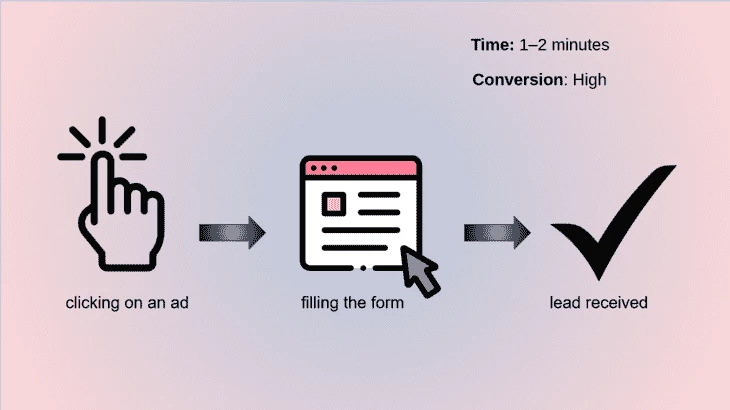
Characteristically, SOI is not the only option on the market: its name alone implies that there is a more complicated technology — perhaps, a certain Double Opt-In. And you know what? It exists, but works differently.
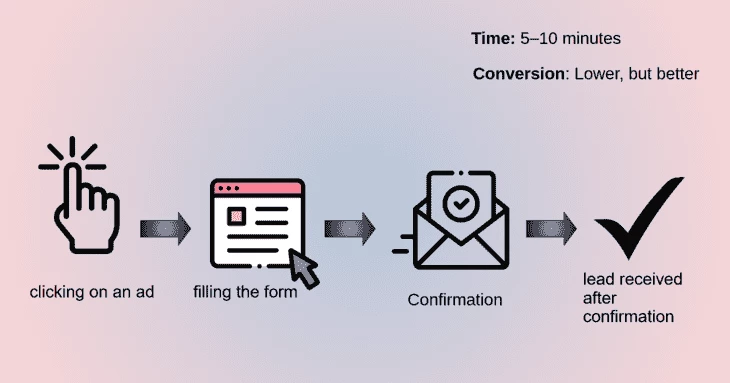
While in SOI users submit their details only once and the lead is counted after that, in DOI people must complete a second action, which can be anything, for example, clicking a link in a confirmation email to verify their intentions. Does it scream higher quality? Yes. But does it reduce the number of confirmed signups? Alas, also yes.
How SOI Works
In the SOI affiliate marketing model, users do not have to plow through intricate policies galore — it’s all very fast and simple. A typical process comprises several steps: a visitor bumps into an offer/landing page, types in their email address, and smashes the submit button. As soon as the form is completed — voilà, the submission is counted as a valid lead.
This simplicity is the main reason why advertisers embrace the strategy: they receive higher conversion rates, as users take only one action instead of several, and their undivided attention span is yours to use. However, even volume campaigns — such as endeavors in sweepstakes, dating, and mobile — face risk of invalid leads, so it’s necessary to balance impressive volume with careful quality monitoring, regardless of the GEO. After all, SOI is popular pretty much everywhere, but it mostly thrives in regions where advertisers focus on volume instead of lead validation.
Advantages and Disadvantages of SOI Offers
The advantages often outweigh the disadvantages, but is it the case with SOI? Let’s see.
When you Google SOI meaning in affiliate marketing, the first link you click will probably spell things out for you: it’s quicker, simpler, enables faster lead generation, delivers higher conversion rates, and often results in a lower cost per lead, because of the reduced friction.
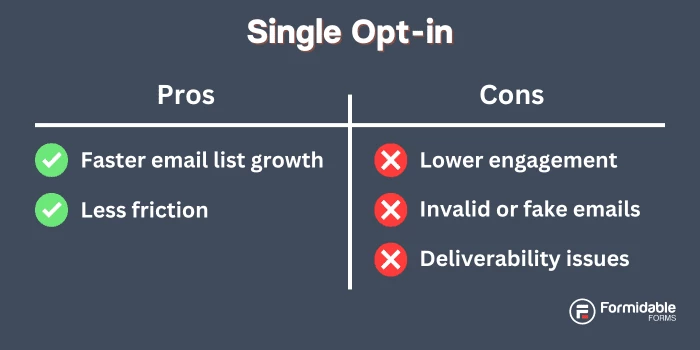
However, despite its obvious strengths, SOI comes with notable drawbacks. As it is a single-step model, no confirmation is involved, which, correspondingly, affects lead quality: for example, users can enter fake or temporary email addresses, and you receive tons of unresponsive emails. That same aspect contributes to another problem: the risk of fraud, spam complaints, and regulatory issues, especially in GEOs with strict data protection laws.
How to Promote SOI Offers Effectively
If you’re still here, you’re probably considering the SOI model in earnest, and it’s our duty to help you ace it. Your path to success starts with traffic sources — after all, your final yield will largely depend on how quickly and easily users submit their information.
This alone leads to push notification traffic, which delivers short, attention-grabbing messages directly to users. Quite possibly, this is not your cup of tea, so you want to try something else. In this case, consider popunder traffic — it’s inexpensive, easy to set up, and drives volume. The last suggestion — but not in any way inferior to the previous options — is social traffic from Facebook, Instagram, and other such platforms.
At the same time, you can pre-qualify the leads you’re about to receive: you can draw up (pre)landing pages before redirecting clients to the offer, or use audience segmentation and targeted messaging. From there, you can map out your entire strategy and plan how to increase your conversion rates: by optimizing creatives, adding clear CTAs, testing — and employing — catchy headlines and clear visuals, or making your campaigns more mobile-friendly.
SOI Offer Examples
Typically, the SOI model is common in niches where a simple registration is enough to generate a lead. These niches often include:
Dating. Usually, profile data is enough.
Finance. Basic financial information requests.
Sweepstakes. Users enter their email to join a giveaway.
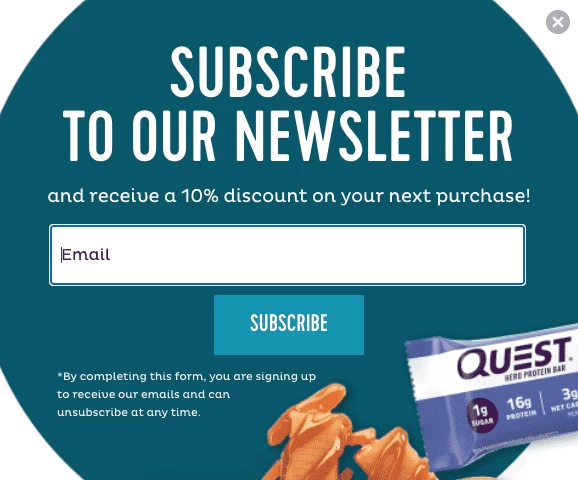
As for the funnel, it isn’t drastically different from what you’ve seen before. The customer journey begins with an ad — or creative — that draws a user’s attention. Once they’re hooked, they are ready to see the landing page and leave contact information. Then, the clock strikes SOI: the user fills in the form, clicks the submit button, and boom! You get your lead. It is highly advised to polish the experience with a thank you/confirmation screen to stroke the ego, but it’s mostly done to show your gratitude.
Legal Aspects of Single Opt-In
Now, onto the legal concerns — which are very much a thing if you work with a model so tightly connected with personal data. In general terms, yes, SOI is legal as long as it complies with data protection laws and email marketing regulations, however, different countries impose different policies, and you should scrutinize the rules before firing up your campaign. For example, European GDPR doesn’t require a double opt-in process for email marketing. What it prescribes to do is providing valid consent, which must be unambiguous and given freely. In certain GEOs, such as Switzerland, Germany, Norway, and a few others, you may be required to implement the DOI technology instead. Similar regulations are reigning in the US (CAN-SPAM Act): if your header is accurate, the subject line is truthful, and an opt-out mechanism is clear, you’re good to go.
These two legislations, however, are not the centerpieces of the world, so other countries may impose stricter consent requirements: Canadian CASL, for instance, requires users to express consent before sending commercial emails. Essentially, what we are meaning to convey here is that you should always peruse the documentation and policies before you actually unleash your campaign.
Conclusion
In conclusion, we would like to sum up a few general aspects tackled in the artricle.
So, the Single Opt-In model — often referred to as simply SOI — best fits affiliates who are focused on fast and high-volume lead generation. As users are only expected to submit their personal information — email, for instance — only once, they do not feel compelled and they do not need to re-evaluate their decision seeing another step. In other words, SOI can help you convert more traffic quickly, especially in such niches as dating or sweepstakes; however, you may need to pre-qualify the leads you receive.
If the drawbacks of the SOI model inculcate no fear in you, stick to the following principles: optimize your creatives and funnels early, keep the signup steps clear, choose appropriate traffic sources, and ensure that your forms always clearly explain what is expected from users, what they are signing up for, and what they will receive from you — for your safety.
FAQ