Traffic Cardinal
wrote October 30, 2024
Traffic Cardinal
wrote October 30, 2024
Traffic Cardinal
wrote October 30, 2024
Traffic Cardinal
wrote October 30, 2024
Affiliate links SEO sounds almost too simple. You pick a niche, publish helpful content, add links and wait for the commissions to appear. Easy peasy. But we are not here to pretend that the internet is still that generous.
Affiliate links need to be handled properly. Content needs enough substance to deserve traffic. Reviews need to help readers decide instead of just nudging them toward the nearest button. And the whole site needs a structure capable of surviving more than one Google update.
Today we’ll go through the SEO side of affiliate links: tags, redirects, backlinks, content structure and the maintenance work to keep the system from getting stale after the first round of publishing. Read on!
The Core Mechanics: How Affiliate Links Intersect with SEO
Affiliate links sit at the point where SEO goes beyond visibility and enters the money zone. Besides, affiliate links and SEO together are pretty much overthinking fuel for everyone involved. Affiliates often worry about the same thing: does having affiliate links hurt SEO? Advertisers may hope affiliate placements give them backlink value. In both cases, reality is less convenient.
The better question to ask here is: what does Google see when an affiliate page sends users away from the site? A helpful page with a commercial link inside it or a thin page created mainly to push the click elsewhere?
What Is an Affiliate Link and How Does It Work?
An affiliate link is a URL leading from your site to a merchant, product page, signup page or another target chosen by the advertiser. Inside that URL, there is usually a tracking ID. That ID tells the affiliate program where the visitor came from.
The basic flow is simple:
A reader clicks your link;
The affiliate system records the click;
The reader lands on the advertiser’s site;
If they complete the required action, you may receive a commission.
That action depends on the program: purchase, registration, app install, deposit, form submission or another measurable event. Tracking can happen through URL parameters, cookies, affiliate IDs and redirects. You don’t need to obsess over the machinery at this stage. The important part is this: the link is there to connect user action with affiliate payment.
Debunking the Myth: Do Affiliate Links Count as Backlinks?
This question causes more confusion than it should. An affiliate link is a link between two websites, right? So in the broadest sense, yes, it can be called a backlink. But the SEO value of those affiliate links is a separate question.
A normal editorial backlink implies that one site is referencing another because the page is relevant or worth citing. An affiliate link exists because there is a commercial relationship. That is, someone may earn money when the user clicks and converts. This changes how the link should be understood.
So advertisers shouldn’t look at affiliate programs as a shortcut to backlink growth. A big affiliate network can bring visibility, referral traffic and sales. Useful, not gonna argue. But those links are commercial placements first.
For affiliates, the lesson is the same from the other side. Outbound affiliate links are there to monetize your pages. Creating authority out of thin air isn’t exactly their job. Your SEO power still has to come from the page itself. This power is growing thanks to its content, structure, topical depth, trust signals and the way the site helps the reader make a decision.
Affiliate links can work inside that system, but they aren’t supposed to carry it. That’s the myth worth dropping.

How Google Views Affiliate Sites (And the Risk of "Thin Affiliation")
Google doesn’t have a problem with affiliate sites by default. Review sites, comparison platforms, blogs and niche publishers can use affiliate links perfectly fine, as long as the page has more than just the offer to show.
Thin affiliation begins when a page mostly repeats advertiser copy, adds a few generic lines, drops in buttons and expects to rank as a “review”, even though the reader could get nearly the same information by going straight to the original page. This is about as far from best practices as you can get.
A useful affiliate page should help before the click. You can explain differences between offers, point out weak spots, show who the offer suits and add context the advertiser probably won’t volunteer, because shockingly, advertisers aren’t always in a rush to tell you when their offer is the wrong fit.
All done? Now remove the affiliate links and look again. If your page still helps someone decide, good job. If not, it is probably too thin, and Google is very quick to understand what is going on. Rankings usually reflect that sooner or later.

Strategic Foundations: Keywords and Domain Choice
To start off, choosing the right keywords and domain is crucial for your affiliate site. A keyword-rich domain can provide an early boost to your SEO game, as it signals to search engines what your site is all about right from the start. Think of it as a shortcut – your domain instantly tells Google and users why they should visit you.
But it’s not just about the domain. Naturally incorporating keywords, especially those with purchase intent, into your content helps boost your visibility and makes it easier for potential customers to find your site.
Choosing a Future-Proof Domain Name
A domain should give the site a clear direction, with enough space left for the niche to move. Affiliate markets change all the time which makes it harder to stay “timeless”. Offers disappear, advertiser terms get updated, search wording shifts and yesterday’s perfect keyword might get vintage vibes tomorrow.
Keyword-based domains can still work when they sound natural. If the name is built around a temporary promo angle or a single advertiser – now that’s a real problem. It may look relevant at launch, then become an issue as soon as the site needs to cover something wider. So think long and hard before choosing a domain and check whether it would still make sense if your main offer changed.

Targeting Commercial Intent vs. Informational Keywords
Keyword intent decides what kind of reader lands on the page. This is a big deal for people working with Google SEO affiliate links as users might come there to compare offers or just dip their toes into unfamiliar waters.
Commercial keywords are much closer to a decision. A person searching for “best VPN for streaming” or “Binance alternatives” already has a rough need in mind and wants help choosing. These pages are usually easier to monetize, provided the content does more than wave at the nearest CTA button.
Informational keywords bring earlier-stage traffic. They are useful for building topical coverage, answering common questions and guiding readers toward commercial pages when the next step makes sense. The catch is that traffic alone can look better in analytics than it performs in revenue.
A decent affiliate keyword plan needs both types, but they should not be treated the same. Reviews, comparisons and “best” pages are more on the commercial side of it. Guides and explainers support them by giving the site depth and giving readers a reason to trust the recommendation later.

Technical Setup: Managing and Masking Outbound Links
SEO-friendly affiliate links are easy enough when a site has five of them. At fifty, raw tracked URLs become a maintenance problem, not to mention when an offer URL changes and the old link is buried across the site. Untangling that is a bit of a challenge.
A technical layer gives you one place to control outbound affiliate paths, keep links readable and avoid sending crawlers through pages that exist only to redirect.
Using 307 Redirects and Link Cloaking Safely
Link cloaking keeps the visible link short and readable on your own domain. But no worries, the actual click will still land on the advertiser’s offer page. For example, instead of showing a messy network URL, you can use something like /go/offer-name/.
A 307 redirect tells search engines that the redirect is temporary. That fits affiliate links well because the final offer URL can change later. Life happens and advertisers update the page, networks switch tracking or campaigns move to another URL. Your visible link stays the same and you only update the final destination behind it.
Managing Crawl Budget: Using Robots.txt to Disallow Redirect Folders
Many affiliate sites place cloaked links inside a dedicated folder, such as /go/ or /recommend/. It’s both easier to manage and block from crawling.
A simple robots.txt rule can tell crawlers not to crawl that folder:
User-agent: *
Disallow: /go/
This way you are signaling to the crawler which pages are actually worth its time. Your reviews, guides and comparisons – that's content. Your redirect URLs are just exits. So there's no need to pretend they belong in the crawl path.
But let’s get one thing straight. Although a robots.txt rule tells search engines not to crawl those redirect URLs, it doesn’t fully hide them. If Google finds the same URL somewhere else, it may still know the page exists. For affiliate redirect folders, that is usually not a problem. The point is simply to keep search engines focused on your real content pages.
The Role of JavaScript in Affiliate Link Handling
JavaScript can help with affiliate link handling when you need click tracking, dynamic destinations or predictable front-end behaviour. However, if the link falls apart without it, you’re not doing yourself any favours.
The safest base is still a normal HTML link with a real href. Google can process JavaScript, but making important links depend entirely on scripts adds more room for things to break. Users with blocked scripts, slow connections or strange browsers should still be able to click through. Search engines should still be able to understand that a link exists.
This is also important on mobile pages and AMP versions, if you use them. And accelerated mobile pages are stricter with JavaScript. So keep in mind that affiliate tracking working perfectly well on your regular page may not behave the same way there. Worth testing before you trust it with paid clicks.
Compliance and UX: Tagging, Placement, and Disclosures
Working with affiliate links requires being upfront with both search engines and users. You mark them as commercial for the bots and you tell your audience that you might earn something if they buy through your link. The process is fairly straightforward, you won't need any fancy technical skills for this.
Master the Tags: When to Use rel="sponsored" vs. rel="nofollow"
The rel="sponsored" tag is usually the safest fit. Thanks to this tag, Google knows about the so-called commercial relationship we mentioned earlier behind the link.
If we compare it with rel="nofollow", the latter is more general. It tells Google not to pass SEO value through the link, but it doesn’t explain that the link is monetized. Some sites even use both together: rel="sponsored nofollow". Belt-and-suspenders strategy, but fine. Whatever keeps Google happy, right?
For most affiliate pages, the rule is to mark paid links as paid. Leaving commission links looking like organic recommendations and hoping it goes unnoticed won’t do you any good.
Affiliate Link Density: How Many Links Are Too Many?
There's no perfect number of affiliate links per page. We're not gatekeeping what doesn't exist.
A long comparison guide can naturally contain more links than a short review, and a product table will need different placement than a tutorial.
But you still need to exercise some moderation here. Always ask yourself whether each link helps the reader at that moment. A link near a clear recommendation makes sense. A link after every other sentence already looks more like poking the reader with a stick. It probably goes without saying that this won't be well received. So in short, if a link doesn’t help the reader move forward, it most likely doesn’t need to be there.
Meeting Legal Standards: Writing Bulletproof Disclosures
Affiliate disclosures shouldn’t live in the footer like some kind of a secret. Readers need to know, before they click, that you may earn a commission from the links on the page.
Don’t overthink the wording, it’s better to keep it plain. Something like: “This page contains affiliate links. We may earn a commission if you click and make a purchase, at no extra cost to you.” That is enough.
The Content Engine: Writing to Rank and Convert
Long-form content is your secret weapon. Create detailed guides, tutorials, or in-depth reviews that don’t just answer questions but keep readers engaged. These comprehensive pieces become link magnets. As such, they draw attention from other sites and build your authority.
While keywords help with rankings, don’t turn your content into a keyword-stuffed mess. Instead, sprinkle them where they fit naturally – think of them as part of the conversation, not the main subject.
Also, aim for a friendly tone that keeps readers engaged. You should deliver value while subtly guiding them toward your affiliate links. Make sure your content reads well while still being SEO-friendly.

Structuring High-Converting, High-Quality Product Reviews
Your audience should feel the hard part has already been handled. You checked the offer, noticed all the weak spots and justified your final recommendation for them. Let’s see how this should flow:
The verdict belongs close to the top, especially if the review is long.
Readers need the offer explained in normal language before the page gets into conditions and pricing.
Screenshots, test notes, current offer details and real examples help the review look more trustworthy.
Weak spots deserve space too, because endless praise makes even a decent offer look suspicious.
Alternatives only make sense when they help the reader choose. If your page needs extra bulk, elaborate more on the previously mentioned points.
By the end, it should be clear who the offer suits, who can safely skip it and what needs checking before the click.
Where to Insert Affiliate Links on High-Performing Pages
Make your affiliate links work smarter, not harder, by placing them on pages that already pull in traffic. Use Google Analytics to find your most popular content – these are the pages that attract the most eyes and clicks.
Your affiliate links should be placed strategically. Slip them into natural spots within your high-traffic content. Think of it like adding a friendly suggestion, not a pushy ad. Keep it seamless, so readers get valuable recommendations without feeling bombarded.

The Link Ecosystem: Internal Power and Targeted Backlinks
Affiliate SEO needs links working in both directions. Inside the site, links help important pages get found and comprehended faster. Outside the site, relevant mentions from other publishers give your project more weight in search.
Distributing PageRank with Smart Internal Linking Structures
Internal linking keeps important pages from getting lost after the site grows beyond a few articles. Beginner guides can point readers toward a comparison page when they are ready to look at offers. Reviews can link back to a broader category page for people who still want context. Tutorials can lead to a relevant tool or service when the next step naturally comes to mind. And, good news, even an old article with steady traffic can become useful again if it sends people to a newer page that earns better.
PageRank is, in a way, a link value moving from one URL to another. You won’t see the exact number in analytics, but it basically implies that stronger pages can pass part of their weight through internal links. If a guide already brings people in, why not point them toward related pages instead of letting the visit end there?
White-Hat Inbound Backlink Strategies for Affiliate Sites
A successful backlink strategy means focusing on quality over quantity. Building meaningful connections with relevant websites will give you more value than random link drops. Prioritize links that make sense for your audience and build your site’s authority.
Make sure to:
Personalize your outreach campaigns. Craft outreach emails that feel personal. Address website owners directly, reference specific content you enjoyed, and explain how your link can add value to their readers. A little effort goes a long way in getting responses.
Leverage guest posting opportunities. Target reputable sites in your niche for guest posts. Offer original, insightful content that their audience will love, and include natural backlinks to your site to boost your authority.
Showcase your expertise. Engage with industry leaders through social media, webinars, or industry events. Building genuine relationships not only opens doors for backlinks but also helps establish you as a trusted resource in your niche.
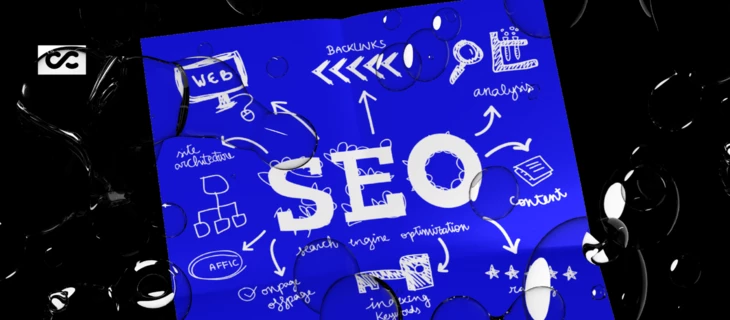
Long-Term Maintenance: Keeping Your Site Fresh
Don’t let your existing content collect dust – give it a new lease on life.
Auditing for Broken Affiliate Links and Redirects
Refreshing content can improve rankings by fixing broken links and redirects, integrating updated keywords and modern links, which give it a better shot at climbing up search results. Moreover, adding fresh data, visuals, or real-world examples makes your content even more engaging and informative.
The Content Refresh Framework: Revitalizing Decreasing Traffic Pages
Regularly updating your older posts helps keep them relevant in a fast-moving world. Add new insights, align them with recent trends, and ensure all information stays accurate. This keeps your readers engaged but also signals to search engines that your content is still fresh and valuable.
Conclusion
Winning at affiliate SEO means mastering keywords, internal links, backlinks, and keeping content fresh. Each piece of the puzzle helps you reach the right audience and stay visible. But don’t just set it and forget it – keep evolving and fine-tuning your approach. Stay current with trends, deliver real value, and keep both users and search engines coming back for more. Consistent effort is the secret sauce to seeing long-term growth in traffic and conversions.
Related Posts:



FAQ