Traffic Cardinal
wrote February 09, 2026
Traffic Cardinal
wrote February 09, 2026
Traffic Cardinal
wrote February 09, 2026
Traffic Cardinal
wrote February 09, 2026
Ah, the omnipresent smartlinks. Aren’t they everywhere? Well, depending on your profession, this technology might or might not be among the most popular solutions: while many affiliates indeed resort to smartlinks, they are more commonly used among publishers and media buyers who work with diverse or international traffic. After all, this is a sure way to maximize conversions and streamline campaign management.
In this article, we will break everything down: we’ll tell you in detail what smartlinks are, how they work, and why they are more preferable than traditional affiliate and direct links. Buckle up and prepare for a deep dive!
What Is a SmartLink?
Before we dive in, let us answer the question pulsating in the brain of a newly converted beginner: What is SmartLink in affiliate marketing?
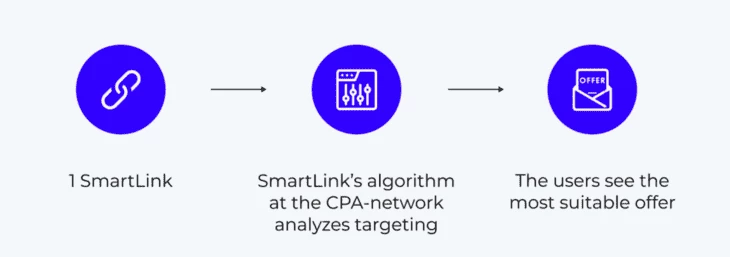
The term SmartLink comprises optimized affiliate URLs — dynamic URLs — that automatically route users to the most relevant offers, as opposed to sending all traffic to a static destination. In other words, this is a smart engine that evaluates the user’s location, device type, OS, and traffic source to determine which offer is most likely to convert.
How SmartLinks Work
The working principle is more or less clear to those who understand the basics of real-time algorithmic routing. SmartLinks — or, rather, the technology they rely on — uses two factors to evaluate each click: performance data and predefined targeting criteria. As a rule, these systems often include analytic tracking, dynamic routing, optimization tools, and A/B testing.
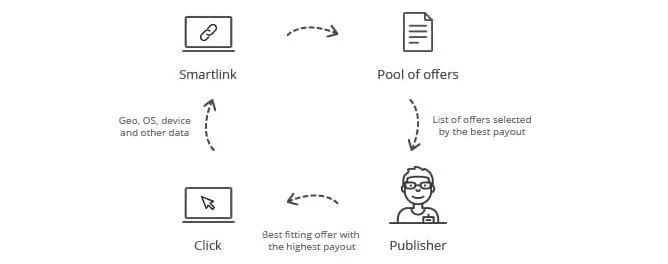
But what exactly happens when a user clicks the SmartLink? Pure magic, for want of a better word, that can’t quite describe prestidigitation behind the algorithm. So, the system receives a click. Next, it analyzes all data points about the visitor — typically, their device, OS, traffic source, and GEO — and goes through the list of available offers. Then, it selects the one with the highest conversion potential; and the user gets redirected to the landing page of this relevant offer. If the targeted action is completed, the affiliate on the other end earns their commission. This fully automated flow presents an illustrative example and answers the question of what is smartlink technology in practice: a dynamic approach that optimizes monetization and traffic.
However, not all SmartLinks are the same. The most common categories are:
Behavior-based SmartLinks that redirect users based on their previous behavioral patterns.
GEO-targeted, based on the users’ GEOs.
Rules-based (also traffic distribution) that distribute traffic based on predefined rules.
Language-targeted.They redirect users to the content in their preferred/detected language.
Ad network-specific, routing traffic to optimized offers within specific ad networks.
Device-targeted SmartLinks that adjust redirects depending on the device the potential client is currently using.
SmartLink vs Affiliate Link vs Direct Link
Now we have approached one of the most contentious aspects as far as Smatlinks concerned: it’s the comparison between Smartlinks, our topic of interest, affiliate links, and direct links correspondingly.
The key difference between these three options is how they handle and optimize traffic. Direct links — the simplest in the trio — normally lead to a single destination, implying that no advanced technologies, such as tracking, personalization, or optimization, are involved.
Traditional affiliate links, as we know them, tend to add a flair of tracking: they send users to one specific offer and record their actions for commission purposes.
Smartlinks, however, are neither: they analyze the users and, as we have previously noted, immediately route them to the most relevant offers. In other words, the main feature that defines the notorious smartlink vs regular affiliate link comparison is automation.
Benefits of Using SmartLinks
We have been droning on and on, describing the definition and working principle, but here’s what matters most — the benefits of embracing smartlinks in your business.
- Better monetization. Low-quality traffic can be a thorn in the flesh and a real impediment, but smartlinks solve the issue: they can redirect underperforming traffic to fallback or best-fit offers.
- Beginner-friendly. Any guides with a loud title “Affiliate smartlink for beginners” will be comprehensible and effective: this technology does not require extensive research.
- Advanced targeting. GEO, device type, language, and behavior criteria are already embedded in the system, helping match offers and users.
- Auto-optimization. Forget manual optimization and switch to something more interesting: smartlinks use real-time performance data and adjust routing without your active involvement.
- No website. Smartlinks can be shown across ads, emails, social media platforms, and other channels.
- Higher conversions. As smartlinks direct users to top-performing offers, they tend to improve conversion rates.
Drawbacks and Limitations
But even the best solutions on the market are not without their flaws. Luckily, smartlinks have only three drawbacks.
- Possible mismatch. It doesn’t happen often, but sometimes it does — when the algorithm is weak, traffic may be sent to the offers that don’t quite match. Keep that in mind whenever working with a Smartlink affiliate network.
- Dependency on the platform. Smartlinks are all about tracking and optimization, that much is clear. But these same features tightly bind you to the platform, thus limiting your control.
- Privacy concerns. Not a surprise in 2026, is it? As Smartlinks collect and analyze user data, affiliates may face additional responsibilities and deal with privacy regulations, for instance, GDPR or CCPA.
Who Should Use SmartLinks
Smartlinks are so versatile that all beginners reading this article might find themselves googling a query, “how to start smartlink affiliate marketing”. More experienced professionals who forewent the technology for personal reasons might join the bandwagon. But before you make the final decision, make sure it is a necessary change.
While anyone can benefit from smartlinks, there are three major categories that use them on a larger scale: media buyers, affiliates with global traffic coming from Tier 2 and 3, and arbitrage specialists.
Now in more detail. Media buyers who run paid ads, especially push and pop campaigns, benefit greatly from smartlinks greatly as these links handle varied traffic types and match users to offers. Affiliates, specializing in Tier 2 and 3 countries, often note that the main advantage of the system is that smartlinks select the most relevant offers for visitors from different regions. And arbitrage experts claim that using smartlinks, they can create profitable spreads without micromanaging each segment.
Popular Use Cases for SmartLink Traffic
As you can probably see, smartlinks can be used everywhere, but they naturally thrive when it comes to the back button and 404 redirects. Technically, what smartlinks do is the following: when the user hits an error page, they no longer leave the site — they can be redirected through an affiliate smartlink and turn into a lead.
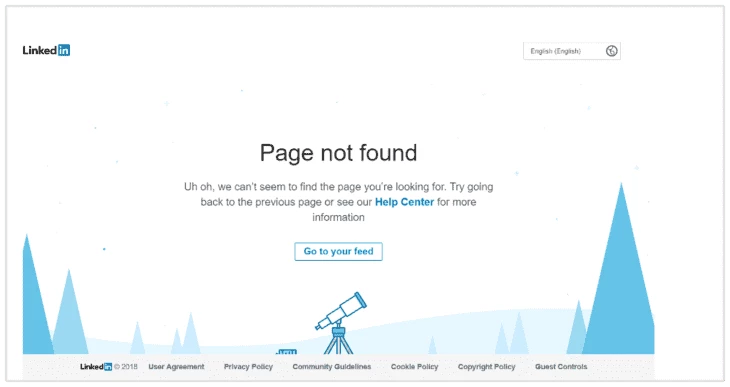
This, however, is not the only case. Sometimes unsorted or mixed traffic is abandoned and pushed aside in favor of more lucrative options, but smartlinks can monetize there as well: when visitos come from multiple devices, sources, or contries, the technology, as you already know, evaluates each click in turn and routes it to the most relevant offer available.
Another option that should not be excluded from the list is push notifications with their diverse audiences. As in the previous example, smartlinks automatically select the top-performing offer for each user and boom! It’s a match. Forget manual campaign segmentation and all that.
Smartlinks also shine in arbitrage campaigns, where they allow affiliates to buy traffic at a lower cost. In popunder traffic campaigns, this system is also worth your while: it matches users to offers based on their device, OS, and GEO.
Finally, when content sites without a clear niche are concerned, smartlinks are a real salvation. As such sites do not prioritize an offer, smartlinks can adapt to different interests and demographics, increasing the chances for conversion.
How to Use and Implement a SmartLink
We’ve said it before and we’ll say it again: smartlink implementation is a simple process that does not require any specific skill. Now we’re going to prove it.
- Choose a smartlink platform that fits your campaign goals and traffic type. If you have an idea that involves customization, worry not: most popular platforms already have ready-made smartlinks or allow you to customize them, so you can contrive a smartlink affiliate strategy in no time.
- Create or obtain your smartlink through the platform.
- Time to segment your audience (yes, this one’s optional). Smartlinks do the job, but when you know your onions, you can plan your campaigns and test different placements without a hitch.
- Strtategic Smartlink placement is key. Ads, push notifs, redirects, popups, websites — anywhere; the point is to ensure that your smartlink reaches users where they are most likely to engage.
- Test and track your traffic carefully. Note which GEOs, devices, and sources perform best, and verify that the smartlinks you’ve placed are redirecting users as expected.
- Now that you know the details, scrutinize the readouts and optimize redirects and targeting.
- Keep it up and monitor performance, adjust the settings whenever necessary to refine your campaigns and ultimately earn more.
Monetization with SmartLinks
Monetization has been mentioned in the article more than once, but have we actually elucidated on the subject? The answer is clearly not, so we are here to correct the mistake.
The first and the most evident way to monetize your smartlink endeavors is through affiliate networks, and you can already outline the general path. Additionally, smartlinks work extremely well for CPA and CPC offers, popunder ads and push notifications, and sponsored content and partnerships. In the latter, publishers can insert dynamic links into articles — promotional posts — and watch users engage with relevant offers.
What we don’t normally think of when speaking of smartlinks is targeting and upselling. As we already know that smartlinks track user behavior, so we can use that data to redirect clients to follow-up offers or higher-value conversions. And, on top of that, we can also play with content locking and PPC models, meaning that affiliates require interaction before revealing content. When the smartlink is clicked, users are redirected to the offer, and, quite possible, they are tempted to continue to checkout.
Best GEOs and Traffic Sources (2026 Update)
Hooked already? Good. Read on to find more details on GEOs and combinations.
Top GEOs by Vertical
All tech and software offers will perform in India, Brazil, the Philippines, Germany, and, surprisingly, in the US — when it comes to desktop. Mobile GEOs differ: while they still have the US and Germany, they also name France, Spain, Canada, and Turkey. Mainstream verticals, however, hit India and Brazil only tangentially — the main focus will remain in Pakistan, Indonesia, and several European markets.
Best Traffic Sources for SmartLinks
Smartlinks thrive when high volume of clicks is involved, and that, in turn, implies a plethora of user profiles. Can you think of anything? Right: push notifs, on-page redirects, and popunders. These sources work across various niches, but they work best in tech, mainstream, and adult.
Winning GEO + Traffic Combinations
Just a recommendation thrown your way, you don’t have to use it, but you can try it.
US + banner/native (utilities and software).
Indonesia + push (mobile conversions).
Brazil + popunder (tech and mainstream offers).
Philippines + on‑page redirects (adult and CPI).
How to Set Up a SmartLink Campaign (Step-by-Step)
As the process is pretty much straightforward, it won’t be difficult for us to talk you through it.
- Register with a platform that supports smartlinks and tracking.
- Choose the one that fits your goals, traffic type, and niche.
- Launch traffic: allocate budget and send clicks from your chosen sources.
- Analyze EPC, CTR, and ROI to define patterns and define incipient trends.
- Optimize either by yourself or with your manager’s assistance — sometimes even the best of us need personalized guidance.
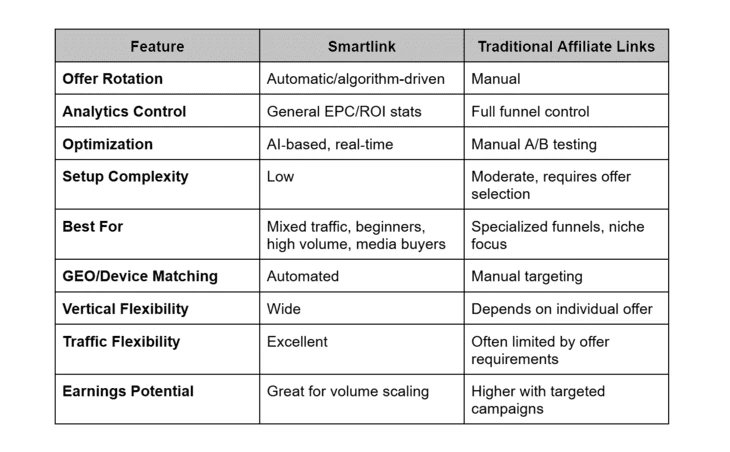
SmartLink vs Traditional Affiliate Links - Comparison Table
We’ve drawn up a table for better inspection.
Real Case Studies & Results
Are you not convinced yet? It’s okay to doubt and consider every bit of information far-fetched. But this time, we have real case studies.
There once was a blogger who used smartlinks to monetize social traffic, and he chose Twitter as his primary goal. The man’s posts got so viral that they captured more than 50,000 views — which resulted in a hefty sum of $2,100 in just two days. The other blogger, who preferred to focus on Facebook group traffic, achieved a similar result: he generated approximately $2,000 from his Smartlink placements.
FAQ