Traffic Cardinal
wrote December 08, 2025
Traffic Cardinal
wrote December 08, 2025
Traffic Cardinal
wrote December 08, 2025
Traffic Cardinal
wrote December 08, 2025
Oh, iGaming. Games, right? Everything related to games? In that case, the latest releases on Steam are part of the iGaming industry, correct?
If this is what you think about the iGaming industry, then you seriously misunderstand the term and apply it to all games you see. Even with the rapid development of the niche, iGaming hasn’t claimed these projects — it still very much dwells on interactive games, for example, sports betting, lotteries, online casinos, and skill and specialty games that cover fantasy sports, arcades, and crash games.
But worry not, we are here to talk you through the details.
Definition of iGaming
We’ve stated that you might misunderstand the umbrella term iGaming and take it for something it’s not. Now is the time to clarify.
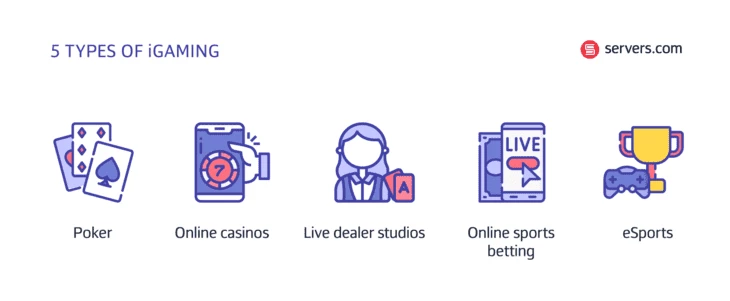
Our igaming definition won’t be laden with complicated verbiage. We’ll simply say that the iGaming industry focuses on all sorts of online gambling: live-dealer games, lotteries, table games, slots, poker, sports betting, fantasy sports, and other formats.
Why the iGaming Industry Is Growing
There are several factors at play, but they work in cahoots to ensure the niche’s progress. We want to highlight widespread mobile access and high-speed internet; advanced technology; and regulatory expansion, as more countries are currently legalizing online gambling, thus opening new markets.
Simultaneously, newer generations of players go full digital, which encourages igaming marketing specialists to enhance safety and payments, improving responsible gaming tools.
Key Niches in iGaming
While iGaming is a vertical that boasts a variety of smaller components, we will focus on the most prosperous ones.
Online Casinos
Nothing difficult about this one: online casino games include video poker, live-dealer games, and table games. Specialists consider them the most popular segments, as they tend to attract players with bonuses, variety, and convenience.
Sports Betting
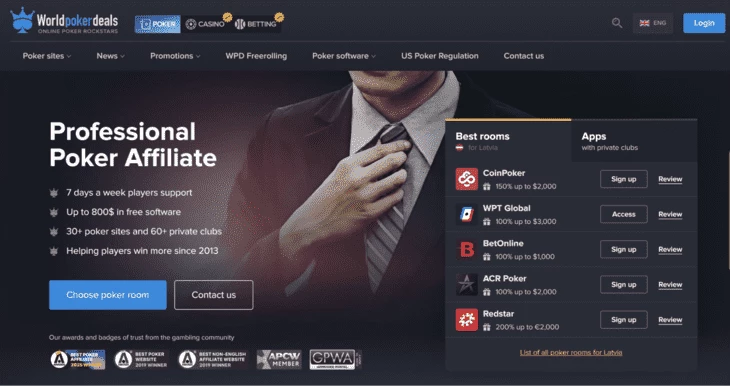
Sports fans, rise up! In this niche, users can wager on real-world sports events, combining genuine interest in sports and anticipation for a reward.
Esports Betting
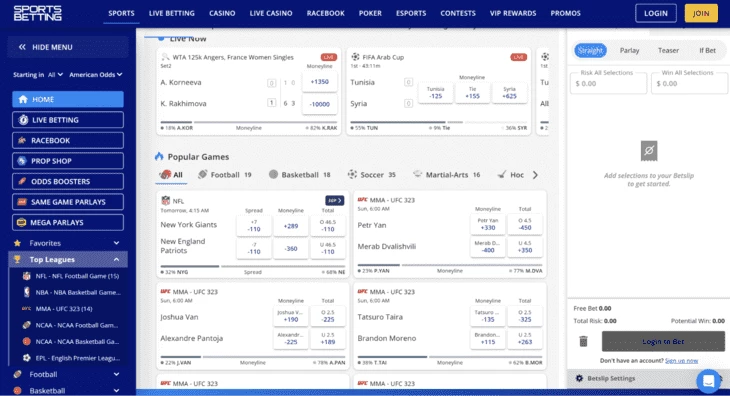
This one may have some connection with the previous option, but it is a much more recent subvertical. As competitive gaming draws younger, tech-savvy audiences, iGaming platforms increasingly offer odds on esports match outcomes in CS2, LOL, Overwatch, or other online games.
Poker and Card Games
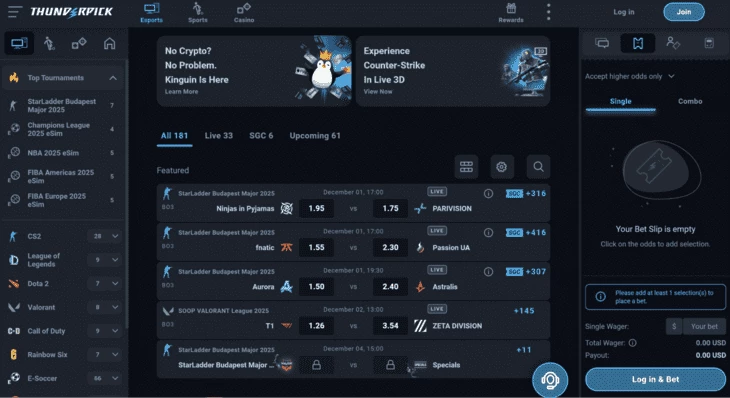
Card games aren’t the new sexy — it’s the old attraction that still mesmerizes people, but only those who know the definition of strategy. Online poker and other such games appeal to a more strategic player base.

Lotteries and Bingo
iGaming isn’t attuned to strategic players only: more casual or social-oriented users can enjoy lotteries and bingo, which tend to feature lower stakes and simpler mechanics.

Conversion Flows in the iGaming Vertical
The iGaming sector continues to expand, providing more opportunities for both affiliates and ordinary users. However, rapid development requires iGaming specialists to clearly understand the principles beyond the conversion flow.
Common Affiliate Conversion Models
In iGaming affiliate marketing, publishers and affiliates earn commissions when users they refer complete certain actions on a platform. Nowadays, there are three common payment models: CPA (usually on the First-Time Deposit basis), RevShare, and Hybrid, which combines two previous options, or, rather, their best features. More on that in the following paragraph.
CPA, RevShare, and Hybrid Models
In CPA, affiliates are rewarded when generated leads take action, showing real intent. The commission could be a fixed sum set by the advertiser, or a certain percentage of the player’s deposit.
RevShare is another prominent model, which offers affiliates a fixed percentage of the net gaming revenue generated by the referred players. The more players engage in the game, paying fees or making bets, the more affiliates earn.
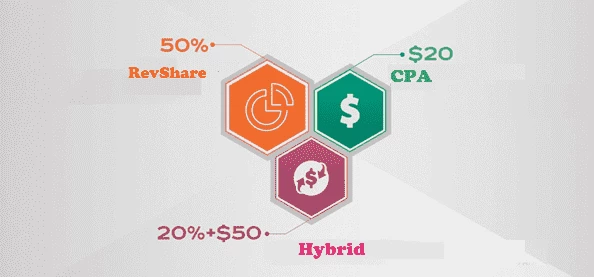
However, one shouldn’t limit themself to these two patterns, especially when there’s another one, combining the best features of the previous two. In Hybrid, affiliates earn both a commission on the player’s first deposit and a share of their losses. Hybrid models like this usually mitigate risks for operators, and keep igaming affiliate specialists motivated.
Unique Features of the iGaming Industry
As any other vertical, iGaming has its own distinct features that set it apart from other entertainment niches, and in the paragraph below we want to define the most salient points.
High Competition and Regulations
While the iGaming space is extremely competitive, it is, at the same time, heavily regulated: think about licensing, advertising restrictions, compliance with player-protection laws, and region-specific legal frameworks — these aspects impact how platforms operate. As a result, your marketing endeavors aren’t the only thing that contributes to your success — you should also learn to navigate regulations and restrictions: any robust iGaming affiliate marketing system is now obliged to have compliance tools, GEO-targeting, and transparent tracking.
Global Market and Localization
Global reach is what makes iGaming so popular: this is one of the niches that targets players across many countries, each with different languages, cultures, and regulatory environments.
Yet, it poses an intricate challenge: the localization process does not simply imply translation of the texts in commercials. Affiliates are expected to plunge into the culture of interest to tailor the content, offers, interfaces, and legal disclaimers, making the ads enticing for the target audience.
The Role of Technology and Mobile
We have already mentioned technology in the paragraphs above, now is time to expand the topic.
Technology underlines the entire iGaming industry: from game development to platform infrastructure, user interfaces, payment processing, and fraud prevention. With the widespread mobile access, the situation shifted further — nowadays, affiliates must optimize their content for mobile UX, fast payments, and smooth gameplay.
Data-Driven Strategies in iGaming
The igaming meaning transcends traditional gambling: nowadays, the term encompasses a variety of options — we have mentioned both card games, popular since the Medieval Ages — and esports, which has gained traction only recently. Although these subverticals all seem different, they do have something in common: strategies that work everywhere.
Using Mobile Analytics
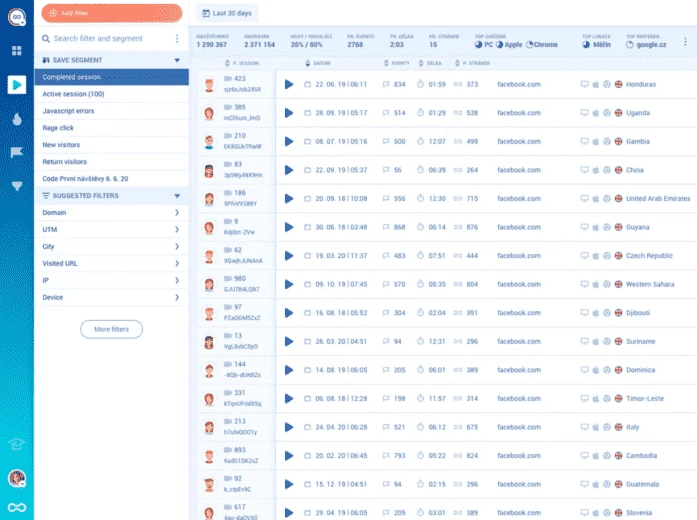
Mobile access and expansion in this direction makes mobile analytics an essential component behind every successful iGaming campaign. Operators track CTAs, registrations, deposits, session duration, and in-app behaviours to understand which games perform best on mobile, and which channels deliver the strongest traffic to improve user experience and increase conversion rates.
Tracking Player Behavior
In certain cases — or, rather, in all cases — it’s necessary to track the full journey, from the player’s first click to ongoing play. Such an approach helps both affiliates and operators define which user becomes valuable and who churns in a span of ten minutes.
In-Game Monetization Opportunities
iGaming platforms tend to collect extensive data about how users play, you must’ve concluded that after reading the first two sections above. However, it hasn’t been mentioned what else could be done with these undoubtedly valuable insights, apart from distinguishing valuable users from those who quickly bounce.
Then, the acquired data can be used for further optimization: for example, operators can push bonuses and promotions for games with high engagement ratesm and revise or discontinue those with low retention.
Leveraging Esports for Growth
Esports is one of the subverticals that benefits greatly from data-driven strategies and analytics. Operators and affiliates monitor esports events, detecting the events that attract most traffic and identifying the most active GEOs and demographics. Analyzing these readouts and betting behaviors in various regions, operators can customize further promotions during peak periods.
Retention and Loyalty Tactics
Loyalty tactics are used in marketing outside cyberspace, but in cybespace they truly show their power. Affiliates can segment the audience to define the churn signals and give personalized bonuses to each segment: for example, VIPs might get exclusive bonuses, while casual players could be offered free spins.
The Role of Affiliates in iGaming
Here’s a rough outline of what affiliates do: they drive traffic and attract players. However, their responsibilities cannot be limited to these two tasks.
Who Are iGaming Affiliates?
Practically, anyone could be an affiliate: an independent individual, a company, or a network specializing in online marketing for gambling platforms. Typically, these agents — for want of a better word — own or at least manage sites, blogs, or social media accounts dedicated to gambling or sports. In other words, they promote online gambling.
What Do iGaming Affiliates Do?
This is where things become far more interesting. Affiliates generate traffic: if you imagine iGaming specialists as people who attract potential players using content, SEO, paid ads, social media and another dozen channels, you’re absolutely correct. However, this is not their sole purpose. Additionally, iGaming affiliates use track user actions, educate their audience by publishing guides, reviews, and comparisions, build trust and ensure transparency of the site they mention in the articles, and engage communities to keep players active.
Types of iGaming Affiliates
Depending on the angle, you can divide all iGaming affiliates into several categories: you can segment them by popular niches (casino affiliates, esports affiliates, poker affiliates, poker affiliates); by promotional method (media buyers, influencer marketers, content makers, or SEO specialists), or by any other aspect that seems particularly important for you.
At the same time, some sources classify affiliates based on their connection to the product:
Unattached affiliates without personal connection to the product, who use generic promotions.
Related affiliates, content creators, influencers, or webmasters who have some authority or credibility, but may not use the products they promote.
Involved affiliates, deeply engaged with the product, often sharing personal experience, detailed reviews or guides, offering trustworthy content.
As you can see, the typology depends on your own vision, so you can practically twist it this way and that.
Compliance and Regulations
High regulation in the sphere is no joke: to put it simply, affiliates are not allowed to promoted unlicensed casinos. What’s worse, certain GEOs prohibit gambling as a concept, so operators tend to implement strict GEO‑targeting, tracking, and anti‑fraud protections.
Again, that is not all you should know: as responsible gaming policies are gaining momentum, you should contribute: use clear disclaimers, age‑verification requirements, and use safe gambling practices.
Final Thoughts: The Future of iGaming
Evolving technology and the great strides it makes surely provides a stable ground for further development: new verticals are revealing itself, and global markets are expading. At the same time, however, regulation and compliance policies are stricter than ever: affiliates working with the niche must always expect shift of incumbent standards and other frequent changes.
FAQ