Traffic Cardinal
wrote December 10, 2025
Traffic Cardinal
wrote December 10, 2025
Traffic Cardinal
wrote December 10, 2025
Traffic Cardinal
wrote December 10, 2025
Holiday marketing has become a parody of itself. Q4 is a literal battlefield and its trenches are littered with “Best Gift Ever!” headlines nobody believes anymore. Audiences are numb to it all, scrolling past with the same energy they reserve for spam calls. Affiliates know the pain: you push another generic gift guide only to watch it vanish into the noise before the first click. Is it the lack of offers? Or, more likely, the lack of originality? And by originality we don’t mean louder discounts or shinier bows. You need campaigns with surprising angles and emotional precision. If you are fed up with cheesy gift listicles, this guide is for you.
The Listicle Hangover
Christmas was never meant to be a ceremonial swapping of worthless knick‑knacks. Ideally, this season is supposed to bring along the thrill of wonder, the ache of nostalgia and the sudden urge to measure your love in something tangible wrapped in paper. But scroll through December feeds and you’ll see how that impulse has been flattened into a conveyor belt of predictable offers.

And that’s how we ended up with the notorious listicle. It’s presented as inspiration but reads like deja vu: scented candles, fluffy socks, mugs, gift cards, life‑changing books... You already know this too well, right? The intention is sweet and clear, but the execution is lifeless. People don’t click as nobody believes these lists are written for them. They skim these “must‑haves”, sigh and move on.
What once promised delight now signals predictability. Because when advertisers chant the same tune, even good gift ideas start to sound worn‑out. That’s why snapping out of this pattern is so important for affiliates. A good holiday campaign should revive the spark of giving itself by surprising, amusing and even provoking your audience. It’s creative – and that’s why it’s profitable.
So before we dive into fresh campaign angles, let’s call the listicle what it is: the ghost of holiday marketing past. Escaping it is our only job this winter.

Gifts That Don’t Suck
These gifts have nothing to do with either top-rated lists or editor’s picks. We are talking about the actual survivors that have lived through toddler tantrums, tech meltdowns, airport chaos or three winters in a row without falling apart. Who needs glossy product shots if the item can’t prove itself in the wild? The perfect candidate for a suck-free gift can be a backpack that’s been dragged through four countries and still looks decent. Or wireless earbuds that didn’t die after one season but kept playing through sweaty workouts and rainy walks. For home chefs out there: a cast‑iron pan that shrugged off a decade of brutal scrubbing and yet cooks like day one. A tabletop enthusiast? Then maybe a board game that somehow still gets pulled out every family gathering, despite half the pieces being chewed by the dog. You get the gist: they earn their place in people’s homes and laugh in the face of decluttering.

How to frame it:
Product specs are boring, let’s be honest. Instead, use storytelling and describe its survival story, for example: “I bought this for my brother in 2021. He still uses it daily.” This line alone sells more than any five‑star rating, don’t you think?
Invite user‑generated content and switch it up by asking for disasters. “Send us your most regrettable gift and we’ll recommend one that doesn’t suck.” It’s interactive and funny.
Now, where do you find those cool offers? Look for products with cult followings, low return rates and high retention. They prove their worth in the long run and this lasting joy will keep audiences coming back.
Weirdly Useful Gifts
These are the oddballs. You laugh at them first, sure. But then realize they solve a problem you didn’t even know you had. They might look ridiculous and feel niche. However, they sneak into daily life and all of a sudden you can’t imagine living without them.
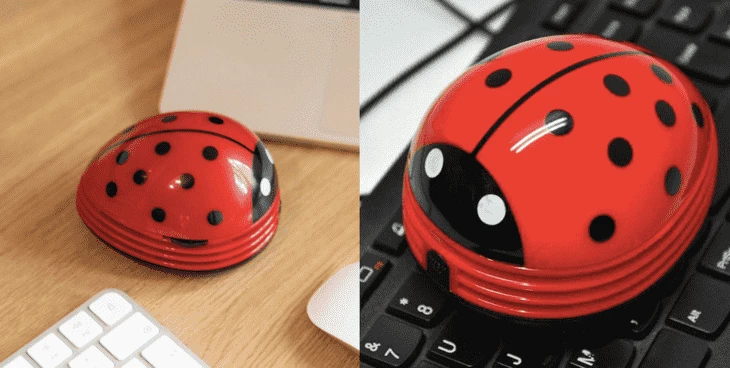
A heated butter knife for rescuing your breakfast from fridge‑brick butter? Sold! Or a mini desk vacuum shaped like a ladybug and designed to eat crumbs before they colonize your keyboard. Give us a couple of those too! And don’t even get us started on that wine glass holder that sticks to bathroom tiles… Hydration is hydration, you know. In case you need a gift for someone who’s more into eating, you can surprise any snack hoarder with a portable bag sealer to keep their yummy treat fresh long after the binge. These presents might be quirky and meme-ready, but what can we say – sometimes usefulness wears a ridiculous disguise. What matters is that people love them.
How to frame it:
Lean into the comedy of utility and show the absurdity of the problem it solves. “This gadget looks like a prank, but it fixes the one thing that drives you insane”.
These products thrive on quick demos and reactions, so present them as “the gift you low-key needed in your life” and let the surprise factor do the selling.
Use the impulse‑buy psychology to your advantage. Weirdly useful items often sit at the sweet spot of affordable price and high curiosity. Pitch them as safe bets with a huge payoff – gifts people can’t help but unbox and try.
Gifts Under $X
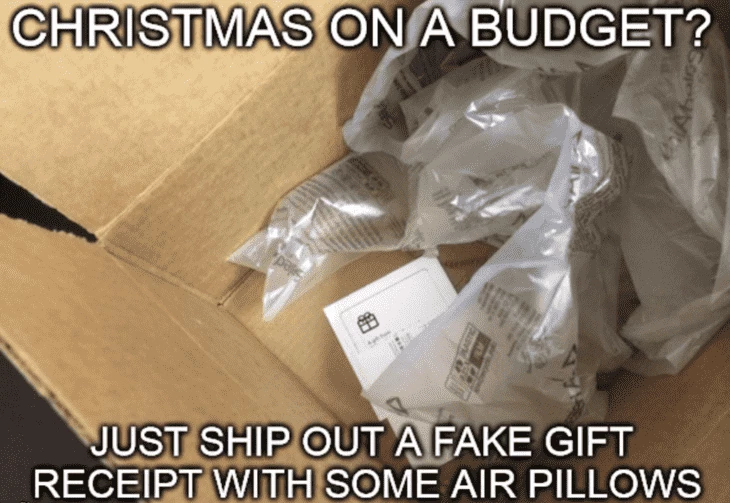
Price caps don’t mean you have to compromise or come off as less thoughtful. You can still find gifts that look and feel far more generous than their price tag suggests. Depending on how cleverly you pick, the under $25, $50 or $100 gems will both spark delight and slip neatly into budgets.
A coffee subscription that costs less than a dinner out is an everyday luxury kind of thing but on a budget. A set of quirky enamel pins radiates “main character energy” and turns a plain jacket into a conversation starter. A pocket cocktail kit can upgrade any person from guest to legend who showed up to rescue the vibe. Even bundles work: three under‑$20 gadgets wrapped together feel like a curated treasure chest. The point is, budget‑friendly doesn’t mean boring. You can easily compile a list of offers that won’t drain gift-givers’ wallets and still make them look like heroes.
How to frame it:
These gift ideas should be marketed as “feeling expensive” but really aren’t. The ad must be focused on the perception of luxury or thoughtfulness instead of the actual price.
Bundles are designed to impress, so present multiple small items as a themed set and it will elevate their perceived value.
As usual, low-cost but high‑margin items are perfect for impulse buys. Frame them as safe choices and audiences will stock up on these products without guilt.
Affiliate Advent Calendar
Advent calendars aren’t exclusively reserved for chocolate anymore. The idea here is to use this 24‑day ritual for creating a drip campaign where every morning feels like a reveal. Instead of candy, your audience will be shown a new product, offer or story. This is intriguing enough to make them click again and again. Nostalgia works miracles, trust us on that. People remember the thrill of opening a tiny door every day… And now you are giving them that same dopamine hit. Only digitally.
Roughly speaking: Day 1 drops a quirky under-$30 gadget, Day 2 unveils a cult‑favorite skincare mini, Day 3 is a story about the weirdest gift someone ever received (with a link to something better). Yes, you see where this is going – every example in this article can slot straight into your affiliate advent calendar, with offers for every taste. Wink! Anyway, by Day 10, audiences are hooked, checking back daily. Now imagine your affiliate stats – that’s the kind of repeat engagement you usually only dream of.

How to frame it:
Use nostalgia as the hook – remind audiences of that childhood rush of peeling back a secret square and then carry the same anticipation into a daily campaign.
Build anticipation with cliffhangers by teasing tomorrow’s pick as “weird, wonderful and under $30” so people return for the next surprise.
Each day’s drop makes audiences check back (half for the offer, half for the ritual).
Holiday Survival Kits
The holidays are mayhem with a jingle track, aren’t they? Which is why survival kits make sense. Why not bundle small items into persona‑specific packs? They are funny, oddly practical and, besides, they acknowledge the emotional rollercoaster everyone goes through in December.
How about an Introvert’s Christmas Kit with noise‑canceling earbuds, a cozy blanket and a “do not disturb” mug? Or a Last‑Minute Host Kit stocked with string lights, a bottle opener and a party card game to avoid awkward silence. Of course, we can’t do without the Post‑Party Recovery Kit – electrolyte packets, cooling eye masks and a smoothie bar voucher. The main idea is that these bundles should tell the stories people will recognize in themselves and their friends.

How to frame it:
Every bundle offer needs a narrative arc. Structure each kit around before, during and after the chaos (that is, three stages: anticipation, meltdown and recovery), so it feels like a complete journey.
Don’t just say “holiday stress”. Call it out: “For the friend who always ends up crying in the pantry”. That specificity will make your kits irresistible.
Multiple low‑cost items sound essential if they are packaged as a survival story. Such a bundle should feel bigger than the sum of its parts.
Anti‑Gifts (for Minimalists)
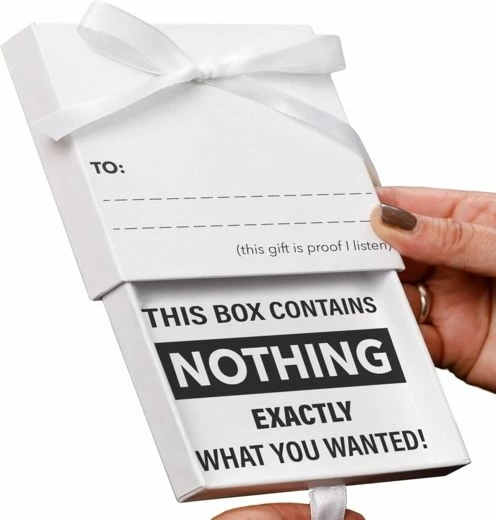
Not everyone wants another object to dust, store or eventually toss. Some people hate visual overload, consumerism and performative gifting. The best present for them might be no present at all. Well, at least not in the traditional sense.
But we’ve got a swap you’d appreciate. A cooking class instead of another kitchen gadget. A streaming subscription instead of a stack of DVDs. Even a handwritten letter paired with a shared experience – coffee, a hike or a concert. There are plenty of intangible offers (not physical products, but other niches) that can be pitched to this kind of audience. Such things won’t pile up because they’ll become cherished moments and memories.
How to frame it:
Present anti‑gift offers as a rejection of useless junk and a celebration of meaning.
Promote experiences, subscriptions, classes and memberships as something more valuable than objects.
Minimalists stay loyal when you don’t clutter their lives, which is why it’s best to market these offers as easy to keep and hard to forget.

Conclusion
Hope this article gave you a few angles your audience hasn’t seen a hundred times already and maybe even sparked some gift ideas for your own inner circle (we won’t tell). The goal is to make people feel seen, not just sold to. If you’ve spotted a few gems for yourself along the way – that’s even better. Now go build irresistible campaigns to cut through the glitter fog. And may your festive season be merry and wildly successful!