Traffic Cardinal
wrote April 02, 2026
Traffic Cardinal
wrote April 02, 2026
Traffic Cardinal
wrote April 02, 2026
Traffic Cardinal
wrote April 02, 2026
On-page SEO, off-page SEO, technical, organic, local, whitehat... The list isn’t even half as long as it could have been, had we mentioned other sorts of SEO optimization. Yes, we have intentionally thrown the unrelated types of SEO together in order to demonstrate a simple idea — that SEO techniques are remarkably diverse, and each one prioritizes a different aspect of your campaign — but it shouldn’t distract you from the highlight of the show: organic SEO, the strategy that can significantly improve your rankings, enhance brand awareness, attract leads, and build trust. After all, isn’t it what we’re here for?..
What Is Organic SEO?
Educational and informative articles often start with a definition, and today isn’t an exception.
So, what is organic seo? A magic wand that can improve your website’s visibility in unpaid SERPs, using various “spells”, such as, for example, relevance signals, content, or technical improvements and changes.
However, you shouldn’t take this strategy for paid ads, which tend to appear at the top of the page with a sponsored label. Unlike ads, organic listings earn their placement through authority and relevance, which, in turn, are determined by backlinks, content quality, and user experience — ad spend is absolutely of no concern here.
Time for an illustrative example. As a rule, every piece of content that matches a user’s search intent can be considered part of your SEO endeavors: various guides, comparison articles, landing pages, product pages, blog posts, how-to articles... The list goes on, and you can add your own examples to it.
Organic vs. Paid Search: What’s the Difference?
As this topic is a trifle more complicated than a simple definition, we’d like to split it into several digestible paragraphs.
How paid search (PPC) works
Paid search is... intriguing: it is a key part of organic seo marketing, especially when combined with various long-term strategies. In PPC — or paid search, if you prefer that term — affiliates bid on keywords and display ads in search results, and advertisers pay every time a user clicks on the ad they see.
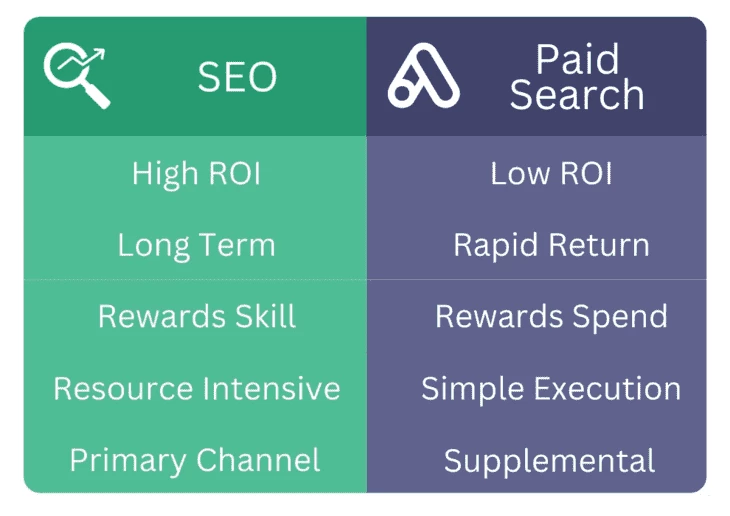
Cost comparison: organic vs paid
The short answer: organic seo is a more cost-efficient option, but it might not suit you if you’re looking for a fast and simple way to enhance brand awareness or achieve other goals. The longer answer: this SEO strategy does require resources — and, perhaps, resourcefulness and wit to boot — but it is not as expensive as paid search. If you opt for the latter, you’ll have to continuously invest in it financially, but that’s where it probably ends: the system will do the work.
Short-term vs long-term benefits
The trick with paid campaigns is that your visibility achievements stop being achievements once the investment runs dry. Organic optimization, however, has a different pattern: the blog posts, guides, and articles you’ve created will attract users as long as they remain relevant.
When to use both strategies together
If you’re already wondering which strategy is better, let us be brutally honest and reply with one word: neither. They’re equally important and can work in tow, creating a peculiarly balanced and multifaceted organic seo strategy that addresses every imaginable aspect.
Why Organic SEO Is Important in 2026
Although trends change their trajectory at a breakneck speed, organic search optimization still remains one of the few techniques that we call a reliable veteran of marketing. First of all, it keeps delivering sustainable traffic growth without constant ad spend and additional — and often unplanned — investment. Then, this strategy provides a higher ROI over time, even though it may take a little longer than expected. Finally, organic endeavors help you stay visible regardless of the competition — real battles on SERPs.
At the same time, it would be a shame to ignore two other advantages: organic campaigns are not overlooked by AI search. Albeit this feature alone reshapes the way users interact with search pages, it does not affect your content — but it might occasionally highlight it, hoisting you up another notch on their curiosity and credibility “pole”. And, as you probably understand, your public image is cultivated by what people see on unpaid listings, showing that you did not pay to be relevant; it is what other users think about your content and expertise.
How Organic SEO Works
It’s always exciting to sneak behind the curtain and slither between algorithms. We might not unravel the conundrum, but we will do our best to clarify the main aspects of the strategy.
Search engine crawling and indexing
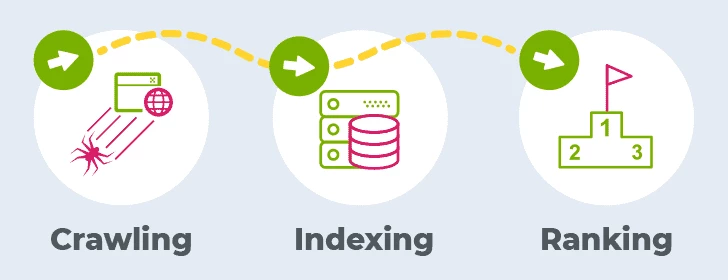
One thing you should realize after reading this paragraph: search engines, no matter how intricate, are simply automated bots that discover and store content from various websites. If we simplify the process, we can say that they scan pages and links to find out what exists online within an organic search engine. Unsurprisingly, specialists came up with a fancy term for the process: it’s called crawling and indexing.
Ranking algorithms and signals
Imagine that your content is finally crawled and eventually indexed. The next step is evaluation: search engines resort to complex algorithms that determine organic seo ranking via usability, freshness, authority, relevance, and other aspects.
Search intent and relevance
If you haven’t heard of natural search engine optimization, it’s high time to close the gap and learn something new. Whenever you come across this lengthy term, think about the phrase match made in heaven. This is the principle you should adhere to because the user wants to get the piece of information closest to their query, and search engines attempt to deliver exactly this sort of content.
The role of user experience
You might be convinced that user experience plays no significant part in SEO — after all, where do the fiefdoms overlap? They don’t seem even remotely related.
Wrong. They may not be related at all, but user experience determines how well a page performs, influencing engagement metrics that affect organic ranking.
Core Ranking Factors for Organic SEO
The concept of SEO is steeped in legend, and we’ll try to unveil the organic ranking factors that truly make a difference.
Content Relevance & Search Intent
It might have been mentioned somewhere above, but it can’t be emphasized enough: the content you create in order to get a strong seo organic ranking position must match your audience’s search intention. In other words, if your blog post clearly answers a popular query, chances are that it will perform better than other similar pages with more intricate wording.
Keyword Research & Optimization
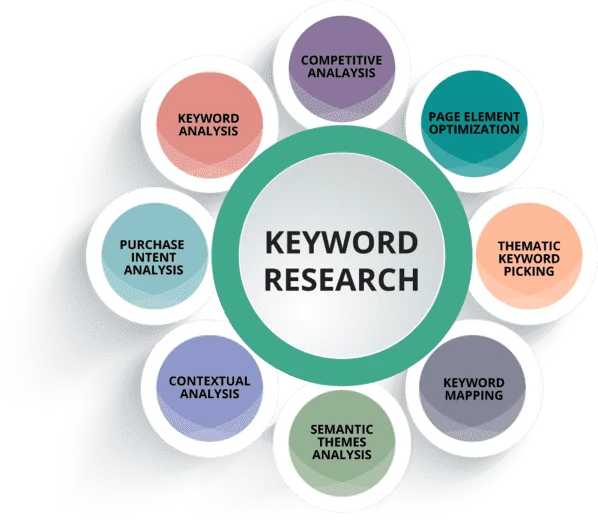
Seo organic keywords, used strategically, can help search engines parse the topic of a page, which limits your task to placing the keywords in the places — headings and content alike (but it’s easy to overdo, so avoid keyword cluttering).
High-Quality, Original Content
That’s all in the title: if you want to improve organic seo, become the expert everybody’s looking for. While it may sound pretentious, this is exactly what we mean here: your content, no matter the topic and niche, must be valuable and original, so refrain from using the affiliate heartthrob ChatGPT.
Backlinks & Website Authority
Backlinks are the sign of credibility, that much is clear. The correlation is easy to grasp: the more high-quality links a site earns, the more authoritative it appears to search engines.
Technical SEO (Crawlability, Speed, HTTPS)
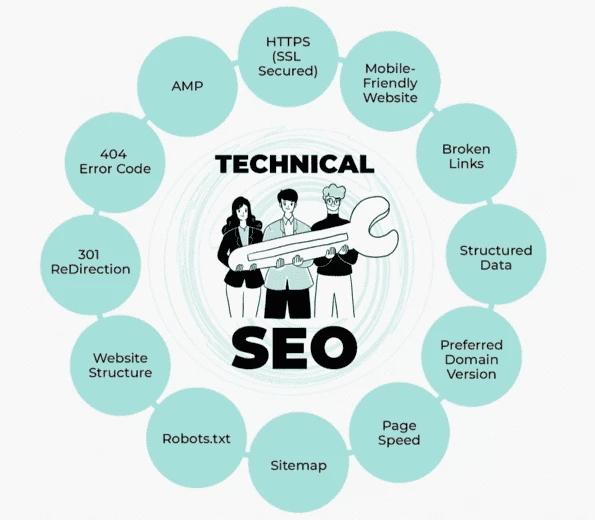
The technical part of any SEO strategy is probably the most enticing and complicated aspect. Although it seems to be a mere background process that only influences the performance of the site, in reality, it can seriously affect your results because technical SEO is responsible for secure connections and fast loading speed — the sort of thing modern users expect from a modern site.
Site Structure & Internal Linking
Modern users like their sites fast, but they also want their sites comprehensible — the checkout button should be interwoven into the “narrative”, and the tabs should be arranged more or less logically, supplied with internal linking for better navigation. It may not seem like much, but organic pages lead to organic growth.
Mobile-Friendliness & Core Web Vitals
Do you have a smartphone? Do your friends have a smartphone? How often do you use it? The replies can be disseminated further because mobile coverage is getting more common even in the most remote regions. In certain GEOs, people primarily use their phones and mobile gadgets, so optimize for mobile and examine Core Web Vitals — interactivity and loading speed.
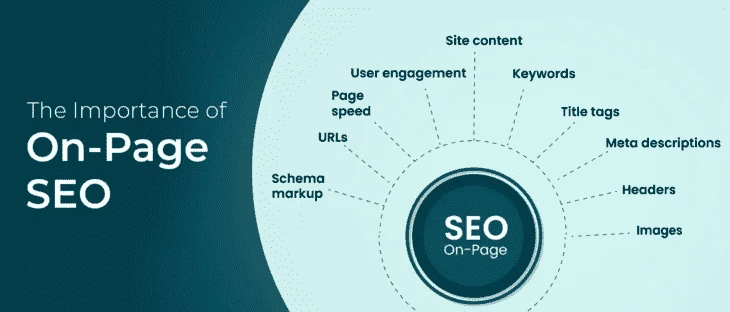
On-Page Optimization (Titles, Meta Descriptions, URLs, Alt Tags)
Everything you can see on your own page should be — or even ought to be — optimized and attuned: descriptions, concise and clear; images, in high resolution; text, not overpowering and brief; titles, engaging and capturing... You know the ropes, right?
Step-by-Step Guide to Improving Organic Rankings
Some people say that reliable SEO is a matter of thorough research and constant monitoring, which is true — to some extent. In this section, we are going to deliver first-rate organic seo tips, so buckle up and prepare to copy and paste.
1. Understand How Search Engine Algorithms Work
First, retrace your steps and backtrack to the question we asked in the beginning — what is organic search engine optimization? Yes, a set of unpaid techniques that improve the visibility of your website. Operative word is unpaid: it implies that you should indeed do some research and analyze how search engines evaluate content, what metrics they take into consideration, and what indicators — authority, usability, relevance, or something else entirely — can help you rank higher.
2. Perform In-Depth Keyword Research
If you know what your users are looking for, you can easily adjust your content by inserting the right words into the right places.
3. Analyze Your Competitors
This may be one of the most time-consuming processes because there are not many underdeveloped niches: we work within the framework of more or less saturated verticals, and even though we try to maintain friendly relationships with other specialists, we always keep in mind that they are our rivals. Study your rivals. Find out what they’re doing, what content they create, which keywords they use — make it a segment of your SEO management.
4. Create High-Quality, Search-Optimized Content
Remember the part where we spoke about informative content? Good, refresh it in your memory: the content you deliver to your users should be tailored to the queries people type into the search bars, but don’t forget to add a few keywords and refine the structure.
5. Optimize Technical SEO Elements
Technical SEO is not to be trifled with — in fact, the loading speed and other components of that particular aspect are so important that they can drag you into a make-me-or-break-me situation.
6. Build a Strategic Backlink Profile
A backlink profile ensures your authority and convinces people — rightfully so, might we add — that you are a trustworthy source of information and not some third-rate con artist with a bunch of shady sites.
7. Improve User Experience & Engagement
Structured sites with clear blocks, easy navigation, and good readability often rank higher, but not because of the structure alone — there’s a simple explanation: when people understand where to look for the information they need and smoothly glissade from one block to another without hindrances tend to spend more time on your site and engage with the content.

8. Optimize for Local and Voice Search
Voice search might be a relatively new feature, but this fact only highlights its importance. Algorithms may be more lenient in this regard, but we strongly recommend using location-based keywords.
9. Keep Content Updated & Evergreen
SEO content keeps attracting people long after it was posted, but it will work even better if you introduce necessary changes and update the previous findings to stay afloat.
How Long Does Organic SEO Take to Show Results?
We’ve been talking a mile a minute about the best way to implement SEO strategies into your affiliate routine, but we haven’t elucidated on one of the most important subject — the timeline. Quite possibly, you may have gathered that organic SEO is a long-term strategy, but how long-term is it exactly?
Experts normally give a rough estimation of 3–6 months for the first noticeable improvements, and then add a remark that more consistent results will come to the surface after 6–12 months. Yes, it may sound a little depressing, but your efforts will certainly pay off, especially if you take care of domain authority, content quality, technical performance, consistency, backlinks, and other components we have mentioned above.
However, we should also mention the proverbial sandbox effect, a theory about Google’s — and, probably, other engines' — index and the pages that are stored there. According to it, search engines limit the pages’ visibility until trust and credibility are established, so during this phase, even well-optimized content may struggle to rank.
The sandbox effect isn’t the only obstacle on your way to success — you’ll have to run interference, especially if you’re working in a highly competitive industry, where strong rankings take time and effort. As a result, you’ll have to resort to more advanced techniques, but sometimes it only makes things more interesting, right?
How to Track and Measure Organic SEO Success
If you’re here, you probably require some solid tips on how to measure your results. Okay, this is what we have in store.
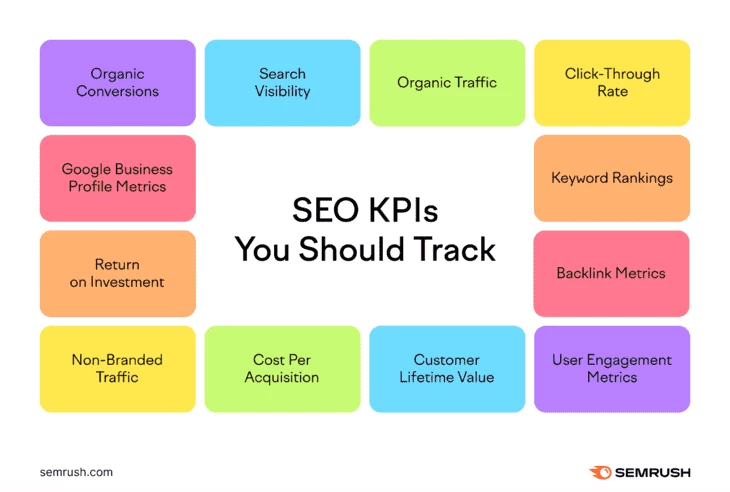
SEO tools. Manual labor is as good as digital, but it may not be as precise. Make sure you have installed keyword trackers and analytics platforms to a) monitor performance and b) identify issues.
Keyword rankings. Speaking of keyword trackers — check out their positions and how well your pages perform for target search terms.
Conversion tracking. Keywords aren’t the only thing you’d better track; conversions also require your undivided attention, as they can demonstrate whether your SEO attempts have been successful.
CTR. As you know, CTR measures the frequency of clicks — how often people click on your listing after they encounter it in search results. The correlation, again, is very easy to trace: if the rate is going through the roof, your titles and descriptions work wonders, and you deserve a pat on the head.
Organic traffic growth. That’s simple and corresponds with the title of the article: an increase in organic traffic means SEO success. A decline in organic traffic shows exactly the opposite.
Engagement metrics. And, additionally, the bounce rate. And, perhaps, time on page, too. And, probably, page duration — in other words, all the metrics that reveal how users interact with the content you deliver.
Common Organic SEO Mistakes to Avoid
Although SEO seems to be a straightforward practice that nonetheless requires a bit of wit and a sprinkle of out-of-the-box thinking, some affiliates make mistakes. There’s nothing to be ashamed of, but some of them could be avoided.
Low-quality backlinks. It is as common as they come. Inexperienced webmasters are convinced that any backlink would do, while in reality, an irrelevant — or, God forbid, spammy — website may damage the credibility.
No mobile optimization. Smartphones aren’t exactly the new sexy; it’s a technological advancement that has been happily embraced by the public, and you should follow suit by optimizing your website accordingly, since lots of searches — perhaps the majority of them — happen on mobile devices.
Technical SEO neglect. That goes hand in hand with the previous statement. It’s one thing to create the content people want to see, but it’s another task to deliver in a digestible form — and we’re not speaking about structure. If search engines spot low loading speed or lack of mobile usability, your site won’t be ranking high... and users probably won’t wait two excruciatingly long minutes to read your groundbreaking findings.
Thin content. Speaking about groundbreaking findings, it wasn’t irony mentioned for the sake of irony, it was genuine. We don’t mean to say that your content should always be borderline revolutionary, but it should be valuable or educational.
Duplicate content. Identical or similar content across multiple pages is frowned upon... well, it would have been frowned upon if search engines could frown. The problem is that they are confused by similar specks of information, and, as a result, it dilutes rankings.
Keyword stuffing. Last but not least, this is the true gem of the entire article. In an inspired endeavor to win over search engines, affiliates often forget that they create content for people, not for automated bots that leisurely crawl across the pages, and generously stuff handfuls of keywords into their posts. It might’ve worked in 2011, but now such a strategy can only lead to penalties.
FAQ