Traffic Cardinal
wrote February 24, 2026
Traffic Cardinal
wrote February 24, 2026
Traffic Cardinal
wrote February 24, 2026
Traffic Cardinal
wrote February 24, 2026
POP ads. Does it strike a chord?.. Does it ring a bell in your head whenever you come across this word? Most likely, it does — and you already imagine dozens of opportunities with this technology alone. Then, perhaps, you realize you’re torn between two minds as to whether it is still a viable option and works in your niche, because, let’s be honest, this format may seem a little outdated to some and outright obsolete to others.
Now we are ready to get the upper hand and guide you through the intricacies, pointing out the advantages and disadvantages of POP advertising.
What Is POP Advertising?
What is POP advertising? There are two ways to explain it, the simplest one implying a terse “promotional tactic used at the point of purchase”. If you require a more detailed explanation, here it is: remember all displays and elements you spot beside checkout lanes every time you buy something online.
How POP Advertising Works
With the pop-up ads definition embedded in your mental equipment, we can breeze through the general points.
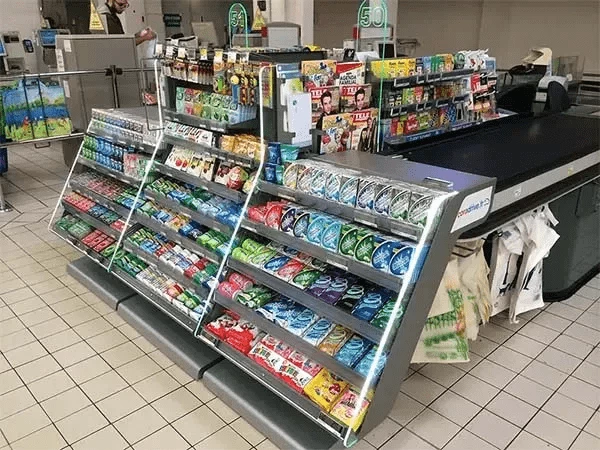
Such ads are often placed where customers are most likely to see them — by checkout counters, near the aisles, or anywhere else where customers make decisions. Essentially, you attract attention, and/or drive last-minute add-on purchases.
POP Advertising Formats
Predictably, POP ads don’t go in one piece: they are diverse and much more intricate than you might suggest.
Physical POP Displays
Each expert has their own classification based on their own approach, and we begin with physical POP ad formats, which deal with two major aspects: first of all, they boost visibility, and secondly, they can potentially influence customers to take a closer look at the items they might otherwise overlook.
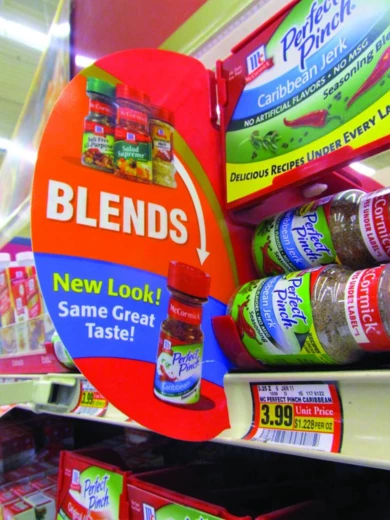
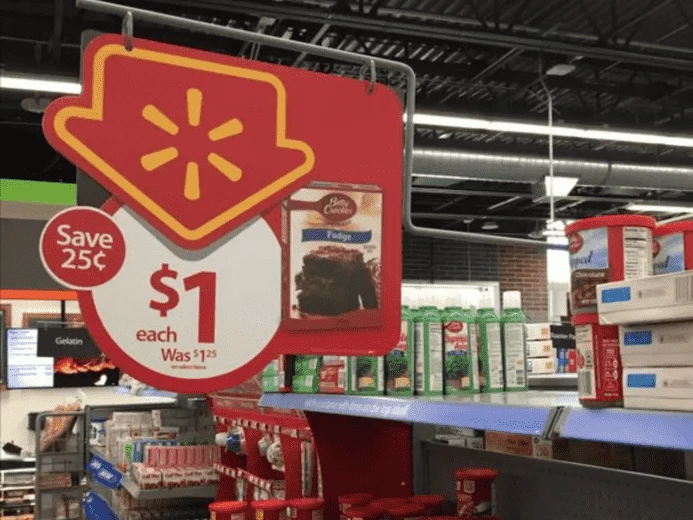
But what are the physical pop displays? Well, practically anything tangible: banners, signs, standalone stands, shelf talkers — anything that draws the shopper’s eye toward featured products.
Interactive & Experiential POP
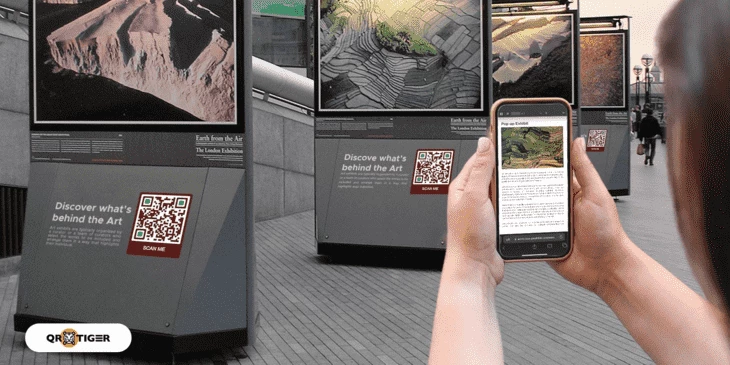
This group of formats takes things a little further beyond visual appeal — QR codes, touchscreens, sampling stations, or demo versions are the perfect examples that let people experience the opportunity, not just briefly acknowledge the POP advertising meaning. In other words, shoppers stop and interact with the product, forming an impression, and, perhaps, igniting — or fueling — their curiosity about it.
Packaging-based POP
What are POP ads, in essence? Many would say display, banners, that sort of thing. More experienced affiliates, however, might broach this particular subject.
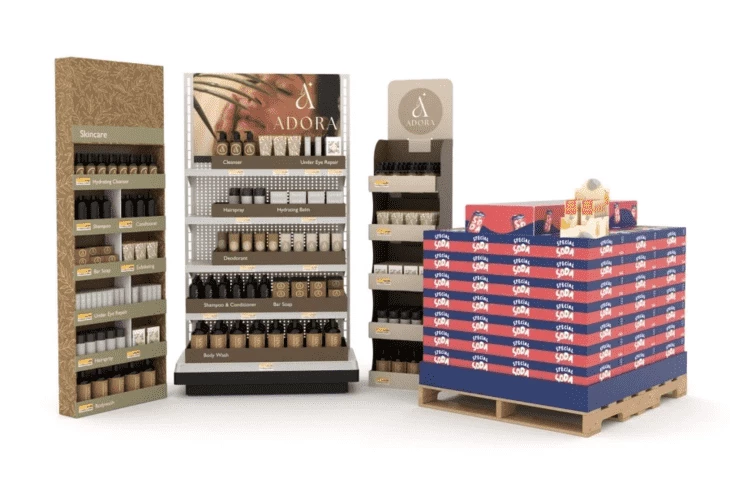
Unlike the two previous options, packaging-based pop-ups are a full promotional tool: it’s a way to stand out because usually it implies branded bags, packaging designs, labels, custom-made cards, etc. The brand treats you as if you’re one of a kind.
POP Advertising in E-Commerce
Some may say that pop-ups are more common in e-commerce than anywhere else, and, well, to some extent, it may be true: unlike traditional physical and very much tangible POP in advertising seen in stores, digital pop uses its online equivalents — free-shipping nudges, tailored recommendations, and checkout-stage offers. Read on for more details.
Checkout-stage offers
That’s all in the name, isn’t it? Checkout-stage offers are always at the final stage of the funnel when customers are finalizing their order: add-ons, last-minute bundles.
Free shipping thresholds
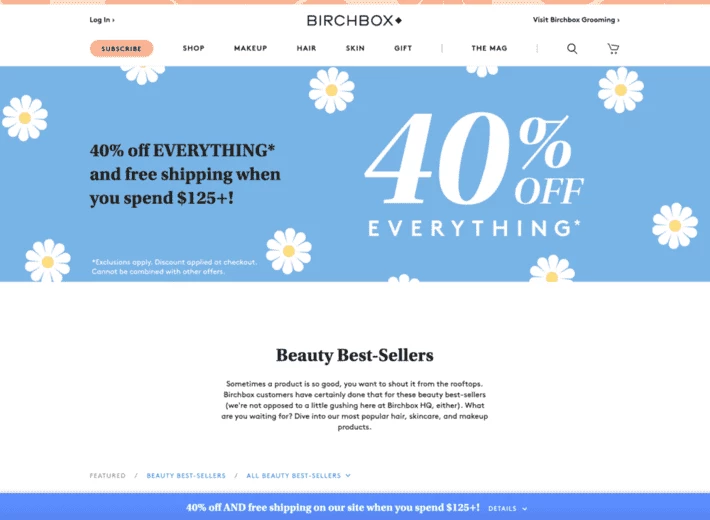
What is POP in advertising, but with the e-commerce flair? This tactic shows customers how much more they need to spend to qualify for free shipping, encouraging them to add extra items to reach that minimum.
Personalized product recommendations
These are a little obvious, but as they’re popular, we can’t ignore them. Personalized recommendations are based on the user’s behavior: the products they’ve viewed, the items they’ve added to their cart, or the objects they’ve liked and added to their wishlist.
Social proof elements
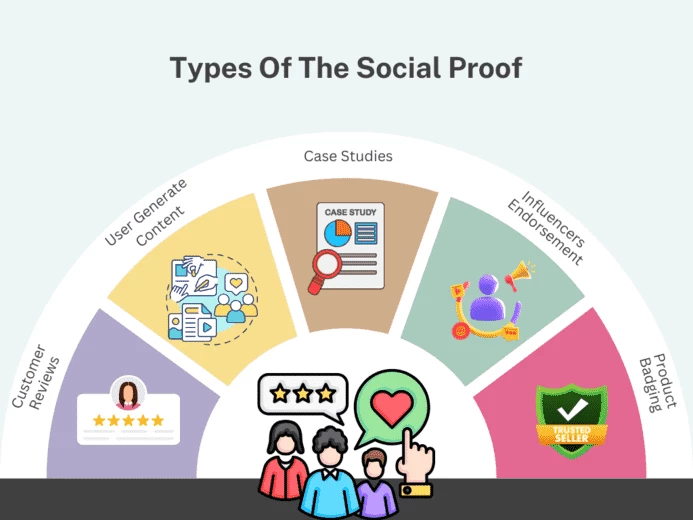
In e-commerce, social proof is vital: best-selling badges, ratings, and customer reviews work as cues that reassure potential customers that these products fully match their expectations. Although they don’t seem like much, these details can reduce hesitation, strengthen consumer confidence, and subtly push users to buy the product from you.
Abandoned cart messages
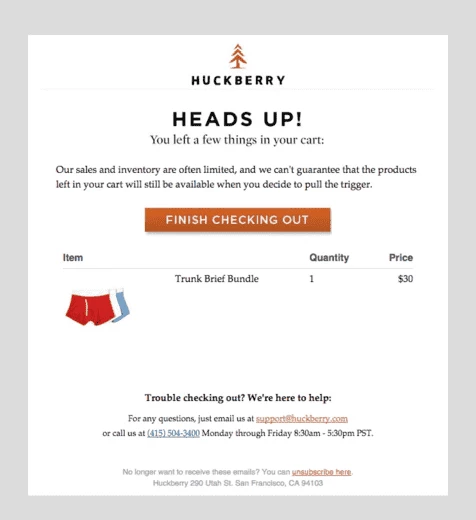
Remember the pop up ads definition — messages that actually pop up on your screen to attract your attention. And in this case, they aren’t disguised by flamboyant banners appearing with a flourish: they are simply follow-up emails or notifications that remind customers of the items left in their cart, shoving to make a purchase.
Loyalty and membership prompts
Sometimes all you need to do is offer customers the opportunity to join a loyalty program — or sign up for membership benefits at checkout. More often than not, this approach highlights rewards and encourages long-term engagement with the brand.
Who Uses POP Advertising?
Retailers tend to take a particular interest in the tactic. They ask the usual questions — what is pop ads? How do they work? Can they leverage customer experiences? Are they useful in our niche? — and, as a rule, they adopt them. The main forte retailers focus on is the unique ability to influence buying decisions where it matters most — close to the point of purchase.
Best Practices and POP Advertising Strategies
If you’re still here, you’re probably considering the strategy in earnest, and it is our duty to give you the right impression of how it can — and should — work.
Target impulse buyers with placement
Pop advertising is all about impulse: you are expected to wait for the right moment and hit when the buyer least anticipates it. Usually, POP elements are situated where customers stop or make quick decisions: at checkout lanes, product category pages, or aisle ends — these are the most likely points for spontaneous purchases.
Use data to optimize messaging
This step is common for all campaigns: if you intend to scale up, improve your messaging, or, in any other way, unleash your potential, you should use insights from sales performance, shopper behavior, or online click data. Find out what resonates with your audience and deliver with the right content at the right moment.
Keep designs simple and persuasive
The Baroque Style is in the past — modern people have no time to stare in awe at intricate curlicues. Effective designs are devoid of complex curls: they are concise, clear, and visually appealing. The language should follow the same route: switch to simpler messaging with persuasive CTAs. The point is to make people grasp the purpose of the message immediately and without distraction.
Integrate offline POP with online campaigns
Combine the physical and digital aspects of your campaign to create a perfect concoction that reaches everyone. Email promotions, social content, and online ads appear on people’s feeds while they’re surfing the internet — and shelf-talkers are communicating with the customers in reality, forming a peculiar and consistent picture of the brand with messaging that does not get disrupted when buyers move between in-store and digital shopping environments.
Leverage seasonal and limited-time POP displays
You can easily make a seasonal change your strong point: create urgency with POP advertising and watch your numbers grow. Holidays? Great, contrive an ad about that. Sales periods? Amazing, let it be known. Special occasions for the company? Announce, share, and spread the word to capture attention and form the seasonal buying mindset.
Train staff to support POP messaging
Successful campaigns are made by well-trained people, and pop-ups are only one component. Are your employees aware of the current offers? Can they answer customers’ questions? Do they suggest related products? If the answer is yes, you can certainly count on better results. If not, educate your staff — and prepare for bigger achievements.
Benefits of POP Advertising
You can probably formulate them by now, but we decided to spell them out for you in a concise form.
Boosts impulse purchases
Even if you’re a restrained person by nature, impulses are not to be trifled with: they can make you buy this, that, and another one from the recommendation list. Pop advertising targets this specific category of people — impulsive buyers — and encourages them to add more items to their cart and trigger unplanned purchases.
Low-cost and high ROI
It’s cheap. Yes, that simple. In the grand scheme of things, pop-ups are considered a cost-effective method compared to many traditional advertising formats: one simple sign, one cardboard display in a store, and it already makes a huge difference.
Enhances product visibility
Strategically positioned items do attract attention — you don’t need a scientific report to confirm it, just open your analytics tab. By placing an eye-catching design somewhere at checkout, you leave an indelible mark, making people think about your product and boosting your brand recognition. The more they see you, the more they want to buy from you.
Helps educate customers
This one is less evident. Pop ads give you an extra space for communication you don’t normally have: in one such ad, you can quickly enumerate the benefits of your product, offer the details, or otherwise help customers understand why your product suits their needs and deserves their attention.
Improves shopping experience
Nowadays, we don’t force people to look for details — we bring the necessary information, saving time and offering the best user experience imaginable. Essentially, this advantage is connected with the previous one: the brand shows its offers in a timely manner, describes the benefits, and provides alternatives if needed, so the customer does not scroll endless feeds trying to find reviews or specifications.
Supports new product launches
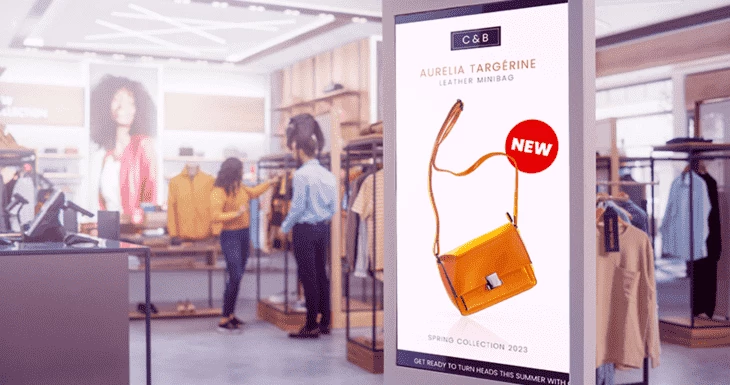
New launches can be a thorn in your flesh: introduce a new product, show its benefits, ask for a comment, review, or a video, promote it on socials, and hope that it will work. With pops, it’s way easier: all you need to do is spotlight innovations by giving visual emphasis to new items. Once done, you can watch impulsive buyers send it to their cart.
Easy to update for seasonal marketing
Pop ads are among the most flexible you can find: they are so easy to refresh and update that you can adjust them for almost any seasonal campaign you have in mind. Holiday specials? Check. Limited-time offers? Check. A winter closeout? Check. Just keep the messaging relevant, and you’re good to go.
Innovative POP Advertising Ideas for 2026
New year, new trends — or whatever that hackneyed quote was. In this paragraph, we’re going to see what tactics you should adopt in 2026 to stay on top.
Gamification at the point-of-purchase
Games are everywhere — they either relieve stress or help people unwind while waiting, commuting to work, or standing in the queue. Either way, it’s a solid option when you consider a new campaign: games provide an interactive experience, encourage customers to engage with products in a memorable way, and allow shoppers to win instant discounts — which is a good prize, even if they never planned to buy anything from you. Now they might check you out.
App-connected in-store experiences
Deeper brand interaction unlocked — just connect your pop displays with mobile apps. For example, customers can scan QR codes for additional content or save products to wishlists directly through their phone.
Real-time personalized displays
Look into dynamic pop displays, too — they can change their content based on your stock levels or shopper preferences. In other words, the more customers browse, the more relevant offers and suggestions they see.
Pop-up micro-events inside stores
Unleash your creative streak to host a short, themed micro-event for more excitement: tastings, demos, or influencer appearances can draw attention to featured items and encourage people to spend more time exploring your products.
Using AI to optimize POP design & placement
AI has its flaws, but if you’re wondering which placement would be optimal for a POP visual and messaging, use it to analyze shopper flow and behavior data.
FAQ