Traffic Cardinal
wrote December 12, 2025
Traffic Cardinal
wrote December 12, 2025
Traffic Cardinal
wrote December 12, 2025
Traffic Cardinal
wrote December 12, 2025
Ever heard of DSPs? You undoubtedly have: they have been disseminated across cyberspace in huge amounts, and affiliates have quickly recognized that these tools are essential for running efficient, data-driven campaigns. Using DSP, you can do a variety of things: purchase digital ad inventory in real time, automate bidding, and, of course, reach highly targeted audiences — just say the word, and your DSP will probably do that. But hey, one step at a time: here, in this guide, we break down the fundamentals of DSPs, explaining how to choose the right platform that caters to your needs and skyrockets your results.
Understanding DSPs
A dsp platform is, without doubt, an exciting topic: it can boost your performance in the blink of an eye. To achieve that, however, we should gradually form an understanding of the phenomenon — starting with the most obvious aspect.
Definition of a Demand-Side Platform
A DSP platform is a software solution that lets advertisers buy digital ad space via a unified dashboard. As a rule, affiliates who use such platforms do not individually negotiate the terms with each publisher at a time: they simply tap into a broad network of inventory. At this point, you no longer need to bombard search engines with one perennial question — what is DSP in marketing: DSPs are a centralized, automated way to manage and scale ad buying.
How DSPs Work
An advertiser uploads creatives or ads, defining the target audience and setting the budget and goals. Then, when a user visits a website or app, the DSP evaluates the opportunity among available ad inventory, submits a bid if the user matches targeting criteria, and — if the bid wins — serves the ad instantly. The description may be a little on the more complicated side, but in reality, you encounter the strategy all the time: every time you research a product and miraculously come across a related ad somewhere on social media, you can be sure — the DSP’s at work.
DSPs vs. SSPs: Key Differences
DSP and SSP may sound remarkably familiar, but they do not represent the same thing. In fact, they are situated on opposite sides of the “food chain”.
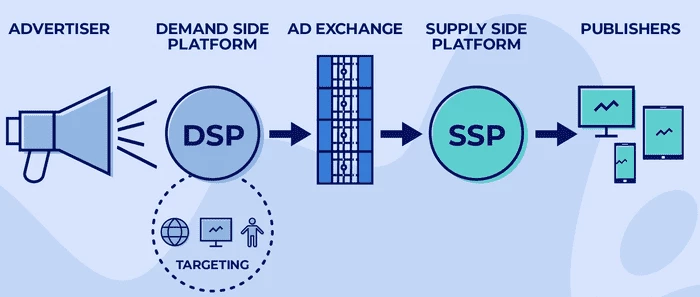
DSP platforms serve advertisers, allowing them to purchase ad space across many publishers. As for SSPs, they operate on the other end of the infrastructure — right where publishers work, gathering and offering ad placements to the highest-bidding buyers.
Types of Demand-Side Platforms
Okay, advertisers do employ DSP platforms in their work, but how do they choose the one they need? Let’s find it out.
Self-Serve DSPs
In self-serve DSPs, advertisers handle all aspects of their campaigns themselves: they upload creatives, set budgets and bids, choose targeting criteria, etc.. This model provides maximum transparency, giving full control over the process with no intrusion.
White-Label DSPs
These offer the same level of control, but you can rebrand it as your own, creating a unique algorithm for ad placements. This model is even more flexible; it also allows affiliates to integrate with multiple SSPs and ad exchanges, customize targeting, and consolidate global ad inventory under their own branded DSP, contributing to the smooth dsp ad network experience.
Full-Service DSPs
Advertisers who want to focus on the creative component of the campaign often turn to full-service DSPs, which handle the entire campaign lifecycle on behalf of said advertiser — with the help of a dedicated account manager or agency.
Emerging DSP Categories
These DSP veterans, however, are being pushed aside as newer types of platforms steal the limelight.
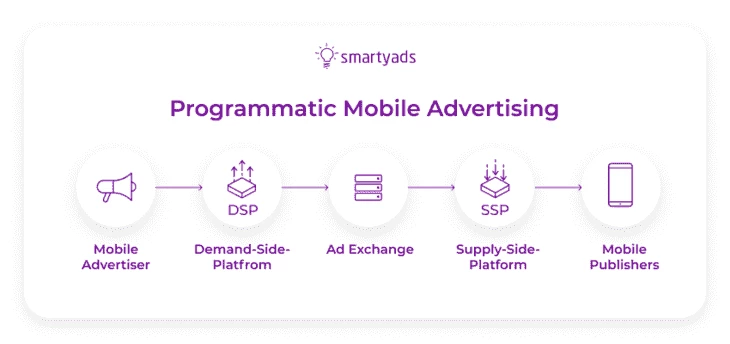
Mobile DSPs
Mobile DSPs “seek” ad inventory for mobile devices. Not only do they focus on app-based advertising, mobile web, and various in-app environments, but they also optimize ad delivery for device type, OS, and screen characteristics.
Video DSPs
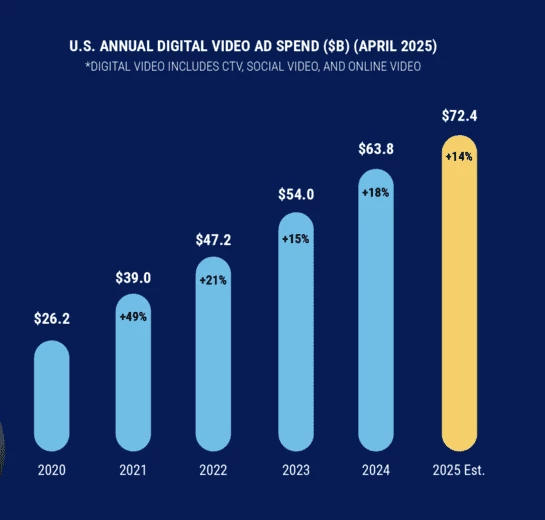
As video ads are demonstrating a steady increase, it is only logical to prioritize the format, and that’s exactly what certain DSP platforms do. They offer access to video inventory across web, apps, and video-heavy publishers.
CTV DSPs
CTV DSPs operate a bit differently from traditional TV buying — they’re designed to reach viewers on streaming platforms where targeting is far more precise, for example on Netflix, Hulu, or other such channels.
DSPs in the Programmatic Advertising Ecosystem
What makes DSP platforms so useful? Well, there are a few prominent features one should comprehend.
Real-Time Bidding (RTB)
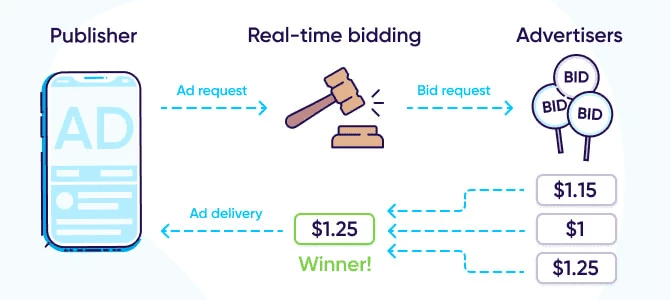
It takes about a millisecond for a DSP platform to evaluate impressions, analyze user data, and place automated bids based on targeting the advertiser’s rules. The highest bidder wins the impression, and their ad is instantly served.
Programmatic Direct
Just the opposite of RTB, programmatic direct helps advertisers and publishers agree on the price and placement beforehand. And the technology does the rest.
DSPs and Ad Networks
Both DSPs and ad networks help advertisers access inventory. Their fiefdoms within dsp affiliate marketing hardly overlap: while ad networks aggregate ad space from publishers and sell it in predefined segments, DPS platforms focus on more transparent experiences: they analyze the audiences and parse performance signals to optimize campaigns.
DSPs and Data Management Platforms (DMPs)
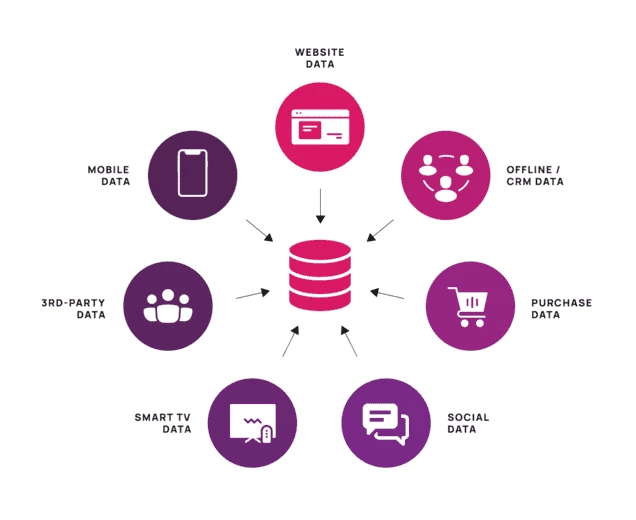
DMPs are data hubs, and as all data hubs, they collect and organize audience data. But once you integrate a DSP, they reveal advanced targeting options: demographics, behavior, interests, etc.
DSPs and Ad Servers
Ad servers deliver, track, and measure ads once impressions are purchased, which is already good enough. With a DSP connected, it shows a real glow-up: the tools ensure that the chosen creative is indeed shown to the right user at the right moment.
Benefits of Using a DSP
The list goes on, but we will try to be concise.
More Efficient Workflow for Ad Buyers
Sometimes even the most benevolent people find themself wrangling with sales managers because, well, the vision, the terms, and the policies… Choose DSPs instead: all spreadsheets and negotiations can be contained in one place — your dashboard.
Lower Costs and Better ROI
Cost-effective solutions? Up in arms: the RTB mechanism ensures that advertisers pay the best price for each impression, and you no longer splurge your money on the wrong channels that seemed so enticing in the beginning.
Expanded Reach and Inventory Access
What DSPs do best is access several — multiple — exchanges at a time from a single dashboard, letting affiliates choose the ad placement that fits their audience and brand.
Sophisticated Targeting Options
Traditionally, an ad network’s audience targeting features have restricted advertisers, tying them to particular segments and limiting their reach. In contrast, DSPs give advertisers the freedom to create their own targeting criteria for their ads.
Powerful Data and Optimization Tools
When you integrate your DSP with an analytics tool, you see a new world unfold before your eyes: the world of insights. Using these findings, you can optimize your campaign and adjust the settings in a very prompt fashion.
Greater Control Over Campaigns
Not to call affiliates renowned control freaks, but sometimes full control over your campaign is one thing you need to make sure it runs smoothly as planned. DSPs do just that: they allow affiliates to oversee every component of their strategy, make rapid adjustments, reset budgets and targeting settings whenever necessary.
How to Choose the Right DSP
Find the list of the most important criteria below.
Core Features and Basics
The fundamentals are always the same, and they often start with a clear, intuitive, and user‑friendly dashboard with straightforward instructions. If you can familiarize yourself with the software in a few quick clicks, then it’s a platform to keep. Ah, make sure your DSP offers easy and seamless integration with third-party DMPs — for better results, of course.
KPI Optimization Capabilities
An ideal DSP provides solid optimization and tracking tools based on the KPIs relevant to your goals. Gauge available features and look for the ones that can help you adjust your campaign towards the aspects you care about the most.
Access to Desired Inventory
Speak about the paramount: your cherry-picked DSP should give you access to a wide network of publishers across various channels. If you ever find out that your marketing focus shifted to more specific audiences or less common ad formats, check out whether your DSP supports the inventory you need.
Top DSP Platforms in the Market
Finally dropping a few names to pique your curiosity of an explorer.
Popular DSPs
Large inventory access, cross-channel capability, and solid optimization tools are a combination that must pertain to any successful DSP platform. In today’s parlance, it’s not a want but a need. However, we decided to mention only three impressive options.
MediaMath. This is a platform that supports ad buying across many channels, including, surprisingly, DOOH.

DV360 (Google Display & Video 360). Predictable, but solid. As expected, it integrates with Google’s entire ecosystem and provides access to a vast ad network across different channels.

The Trade Desk. This platform is known for its transparency and flexibility, but more popular with larger advertisers and agencies, rather than with solo affiliates.
DSPs for Mobile App Campaigns
Predictably, DSP platforms for app-based businesses optimize for installs, in-app events, revenue, and long-term user value. DSPs of this kind are built for the mobile ecosystem and provide a set of indispensable features, such as device-level targeting, in-app inventory access, SDK integrations, and fraud protection. Some well-known mobile-focused DSPs include Smadex, Jampp, and AdKernel.
White-Label DSPs
When full control is absolutely indispensable, and agencies and larger advertisers turn to white-label DSPs. Some of the commonly cited platforms are: Beeswax (provides advanced optimization), AdKernel (boasts customizable ad-tech stack and traffic filtering), and SmartyAds (fully brandable with built-in integrations).
Conclusion and Key Takeaways
It won’t be an overstatement to say that DSP platforms have become a cornerstone of marketing. Unlike any other option on the market, they help marketers access global inventory, refine targeting settings, optimize campaigns, and retain control across every stage of the buying process.
FAQ