Traffic Cardinal
wrote December 29, 2026
Traffic Cardinal
wrote December 29, 2026
Traffic Cardinal
wrote December 29, 2026
Traffic Cardinal
wrote December 29, 2026
2025 was… a lot. If you didn’t get humbled at least once this year, congrats on your alternate universe (please send coordinates!). For the rest of us: traffic got moodier and rules got stricter-ish. The worst part – nothing is “wrong” wrong, it’s just different now and somehow less stable. But this recap isn’t trauma-bonding, no sir. If anything, we are leaving the year with thicker skin and better instincts. So let’s walk through what changed and what those changes mean for the next round. Read on and make 2026 unfairly easier for yourself!

Where the Ground Moved in 2025
We bet most affiliates spent 2025 thinking, “Wait, since when does it work like this?” If your experience felt just as slippery, welcome to the club. But there’s a reason for all this. Six reasons, to be more exact. Let’s explore those tricky shifts we kept bumping into all year.
Shift #1: The Feed Became the Store
One of the sneakiest changes this year brought: social apps leaned more into shopping. Now anyone can see a product in a video, tap a tag, pay right there and keep scrolling like nothing happened. Meanwhile your lovingly built landing page is waiting for visitors who’ll never show up. Don’t get us wrong, the ad > prelander > store > checkout path still exists, it just isn’t the default in a bunch of feeds anymore.
See the catch? From now on, the content itself is the sales pitch. The hooks, posts, videos, demos, comments – they are supposed to convince people. And since the platform keeps more of the journey inside its walls, tracking becomes blurrier. Sure, you still get numbers, but connecting “this exact creative” to “this exact sale” is more annoying than it used to be.
Who felt it the most? Affiliates promoting things people buy on impulse or because it looked good in 15 seconds. Gadgets, home products, beauty, app installs… From the outside it looked like they had it easy, but in reality platforms basically graded their creatives in public. If their ads hit, they flew. If they didn’t, they sank. Quickly and expensively. And if your offer needs a long explanation, you felt it too. Clicks might have looked fine, but fewer people made it to the place where you do your persuading (because they are no longer supposed to).
What affiliates did about it:
Stopped betting everything on one ad they perfected. Better move: produce lots of simple UGC-style videos to show the product doing its thing and give a clear reason to buy it.
Tested offers faster through different angles and if something didn’t catch, they didn’t “nurture” it for weeks.
Learned the platform’s rules on what you’re allowed to promise and adjusted creatives so they don’t get flagged. At the same time, they tightened fulfillment expectations, because when people can buy in two taps, they can also refund in two taps.

Shift #2: Automation Took Over Media Buying
Media buying in 2025 got a lot more… hands-off. A year or two ago, you used to spend hours tweaking the settings (which made you feel in control, don’t deny it). Now the platforms keep nudging you into campaign types where the algorithm decides who sees what. In other words, they expect you to set the destination and hope the autopilot understands you. Hm… That doesn’t exactly fill you with confidence, does it? Same here.
So in practice: when you can’t win by targeting anymore, you have to win somewhere else. If the offer can’t make money, automation won’t save it – it’ll just spend faster. If your ads don’t refresh often, the system will keep showing the same thing until users are blind to it. And if you send the platform messy signals, it learns the wrong lesson and repeats it. Bummer, but the algorithm doesn’t care – so we all have to adapt.
This hit hardest for Google Ads buyers and Meta spenders who were scaling from a couple campaigns into real volume. At that point, you are basically working with automation whether you like it or not, because once you are spending real money, the platform expects you to set a clear goal and let the algorithm handle the micro-decisions.
What affiliates did about it:
Got picky about what counts as a “conversion.” A random form fill stopped being the finish line. The real conversion became something like: confirmed phone, answered qualifying questions, booked a call, made a first deposit and so on. Because if you tell the system that email equals success, it will find you the cheapest emails on the internet.
Made sure the platform sees the outcome. Server-side tracking, CAPI and postbacks send a clear “this one bought” or “this lead qualified” back to the ad platform. Without that, the algorithm is learning from guesses and you are paying for its education.
Optimized for both value and volume. Fewer leads are fine if they convert, so marketers started weighting actions. For instance, a deposit or funded account counts more than a signup, don’t you think? It’s a new reality now.
Shift #3: The Ban Risk Got Real
This year, getting traffic wasn’t the hard part. But keeping it definitely was, that’s for sure. Platforms tightened up, review systems got twitchier and the scam-ad hangover made everyone jump at shadows. As a result, even legit campaigns started catching stray bullets. Guilty until proven innocent, as they say. So even if you have lots and lots of creative angles up your sleeve for promoting offers, you can still lose because of the inability to stay in the game long enough to scale.
That’s why a high ROAS week stopped being something you celebrate. Cool, you scored big. But it doesn’t matter if your account gets restricted right after, your payment provider freezes payouts and refunds start rolling in because people bought one thing in their head and received another in real life. And it doesn’t have to be about the offer, but rather the way it’s framed. Same product, same traffic – one version oversells and gets you bans and chargebacks, the other version tells a believable story and keeps earning without constant fires.
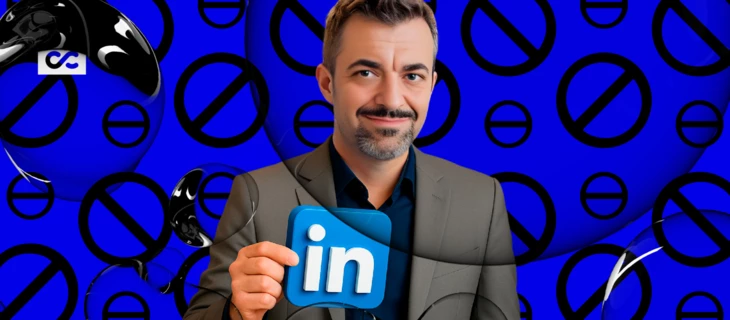
The loudest pain was in verticals where platforms are already suspicious by default: iGaming, finance, health and other offers coming off as too good to be true. iGaming had an extra layer of paranoia, sometimes in unexpected places. Yes, even on LinkedIn:
A quick note before we discuss possible solutions to all this mess. In 2025, affiliates basically split into two lanes:
Lane A (recommended). Clear claims and terms, safer creatives, realistic expectations = fewer bans, refunds and payment delays.
Lane B (the grey zone). Using special tools to reduce friction and keep accounts running. We aren’t teaching bypass tactics here, but naming the reality – the grey zone exists. And yes, it comes with its own set of risks. Here are some relevant reads on this topic:


What affiliates did about it:
Built “proof assets” so the campaign looks legit at first glance. Clear disclaimers, transparent terms and non-tricky landing pages.
Calmed down the promises and cleaned up expectations. Instead of “you’ll wake up rich, skinny, approved or loved” – “here’s what this is and what you are getting” to reduce refunds and chargebacks.
Diversified traffic so that one ban doesn’t end the month. If a platform goes sideways, the business shouldn’t go with it.
Shift #4: Sales Moved Into Chat
These days funnels are no longer trying to “close” people on a landing page. The new strategy is to get the click and then move the real selling into chat. WhatsApp, Telegram or Instagram DMs – you just need to choose where your audience hangs out. In plenty of markets (LATAM, we are looking at you) it’s just how people usually buy.

The thing is, chats do a few things pages can’t do when someone’s unsure. Chats help you build trust (we know how cliche it sounds, but still), filter out time-wasters and let you handle objections in real time. Users are free from the burden of understanding a complex offer on their own, because you are there to answer a couple of questions and (drumroll) close the deal. Besides, simply talking to your audience not only improves your sales here and now, but also lifts retention.
We saw this shift most clearly in offers where people don’t like making blind decisions: finance, health, services and high-ticket products. It really pops in regions where WhatsApp runs daily life. If you are not in chat, you are basically out of the buying flow.
What affiliates did about it:
Built simple scripts, set up automation, but kept humans for the actual closing. Basic bots for intake and FAQs, real closers for objections and payments.
Started viewing reply speed like a real metric. Time to first reply became make-or-break, because interest cools off fast in messaging. If you answer in 2 minutes you are “professional”, if you answer tomorrow – all you get is “seen” and then silence.
Made payments match the geo, that is, started using methods people already trust locally and removed confusing steps.

Shift #5: Everything Depends on the Geo
For a long time, we lulled ourselves with one comfortable lie: if a funnel works in this tier, you can kinda… copy-paste it into another geo and collect your profit. 2025 proved otherwise.
A quick geography lesson to see why it works this way now:
LATAM. We mentioned it earlier while talking about the chat layer in the sales funnel – people here often don’t buy straight off a page. Payments are also local, so if you are asking for a method nobody uses there, it’s pointless. And depending on the vertical, the rules got more serious.
Africa. To put it shortly: mobile, mixed internet quality, impatient load times. A long and heavy funnel will lose here before it explains everything. A lot of people pay with mobile money or wallet methods, so checkout has to match that reality. Trust is important too – anything sketchy (or even just confusing) will be rejected in no time.
Europe. For lack of a better word, Europe makes you… behave. Consent, ad policies and compliance aren’t some kind of joke. They decide pretty much everything. You can have a good offer all you want and still struggle if your campaigns don’t play nice with the rules.
SEA / Asia. People from this region don’t shop in one place. They discover on socials (often via creators), then they buy inside marketplaces or in-app shops. Your job is to match that habit instead of forcing a Western-style landing-page-to-checkout journey, otherwise conversions might drop because it feels unfamiliar.
These changes took a toll on affiliates working with multiple regions (thanks, Captain Obvious) and anyone pushing traffic in regulated verticals (finance, gambling / betting / iGaming, health). For instance, if you work with gambling offers, you know perfectly well that the actual performance is the least of your problems, because on top of that you have to deal with legality, licensing and things platforms will tolerate.

What affiliates did about it:
Stopped launching the same funnel everywhere. They rewrote and reshaped it per geo so it fits local habits.
Worked backwards from payments. The first question became: “Can people here pay the way we are asking them to?” If not, the funnel gets changed or the geo gets dropped.
Checked rules in advance, especially in sensitive verticals. A profitable-looking geo can turn out to be a waste of time if the legal side isn’t workable.
Added the right trust cues per region. Faster mobile pages, local support or clearer terms – whatever makes the offer feel legit there, in that exact geo, not just in your head.
Shift #6: Visibility Means a Lot
Being quiet in 2025 got expensive. Now reputation is working like a growth channel: the more people know you exist (for the right reasons, of course), the easier a lot of things become. So more affiliates went public – speaking slots, panels, webinars and media presence (posts, interviews, case studies and content people can point to). It’s not that influencer culture got into affiliate marketing too (though it kinda did, read below). The thing is, most affiliates are done with being a faceless ad account.

Because trust is practical. Accounts, approvals, partner relationships, even basic “let’s solve this fast” access often goes smoother when you are a known, consistent publisher. Add tougher competition and visibility starts unlocking things you can’t really buy with exceptional concentration alone: private deals, higher caps, faster fixes, warmer intros. And when traffic sources seem fragile, having your own audience acts like insurance – you won’t have to start from zero every time a platform changes the rules. By the way, if you want to know how to spread risk across your channels, this is a good read:

This shift mostly rewarded people who were already scaling (or trying to). If you are running regulated offers, negotiating with networks, hiring or pitching partners, being “that person we’ve seen around” beats being a random ad account.
What affiliates did about it:
Picked one or two channels and showed up consistently. And by that we don’t mean daily spam. Just regular, useful updates people can recognize and trust.
Turned networking into a system through conferences, panels, webinars and community appearances.
Collected proof in public via case studies, interviews, screenshots with context and partner mentions to make “we are legit” obvious without a long explanation.
Built a direct line to an audience (Telegram, email, YouTube, etc.), so one platform change doesn’t wipe your presence overnight.
And yeah, we are doing that path too at Traffic Cardinal, feel free to check out our conference reviews and listen to our podcasts:
Traffic Modes We Lived In
We are not reliving the six shifts again, you’ve suffered enough. But let’s translate them into something you actually budget for. It’s the same chaos, only this time we’ll group it by how traffic behaves and what it demands from you.
Platform Performance (Meta, Short-Form, Social Apps)
The feed decides your fate here. In 2025, these channels rewarded people who treated their ads like a production pipeline: lots of simple UGC-style creatives, fast testing and clear messaging. Yes, we meet our old friend again, that well-known rule – quality over quantity – that is, better process over more ad accounts.

Search and Intent (Google Ads, SEO)
Search still works because it’s based on intent. People already want something, you are just there when they ask. But 2025 pushed it toward automation, so it became less about finding the right keyword and more about feeding the system good outcomes: clean tracking, conversion quality and offer fit.
Discovery and Scale Formats (Native, Programmatic, In-App, Pop)
This group is still about cheap reach and volume, only now it’s less forgiving. Creative fatigue and fraud got pricier and lazy funnels got punished faster. It does work, but only if you presell and filter hard. You aren’t planning to pay for clicks that were never going to convert, are you?


Owned & Conversational (Email, Communities, Chat)
These are the sources you control more than any platform. And that’s the beauty of it. Yes, they take longer to build, but they stabilize revenue when paid traffic is shaky or accounts are stressed. Owned channels are basic survival these days, not something optional.

Where Niches Got Touchy
We won’t tell you that niches reinvented themselves in 2025. But they do force you to acquire more adult skills now, depending on what you are promoting and where you are running it. The verticals are pretty much the same, only with new failure points, so to speak.
iGaming stayed profitable, but it became way more operational. We’ve already discussed those problems in the compliance and geo shifts, where affiliates kept asking themselves: “Can I run this geo without stepping on a legal rake?”, “Can users pass verification?” and “Will platforms tolerate the framing?” To stay stable, many publishers had to get stricter with geo selection, clean up messaging and choose reliable partners.
Ecommerce was the opposite: less paperwork and more fighting for attention. Shift #1 and the platform-performance traffic group basically explain the whole thing – the feed does the selling now. So making the offer look good in seconds became the main job and in order to succeed in it, affiliates had to build creative pipelines and constantly test products and angles.

In finance, meanwhile, trust became the new bottleneck. You could have intent, traffic and decent CTR, and still lose because people hesitated right before the real step. That’s why the chat stage (Shift #4) mattered so much here: it was all about preselling without heroic promises and better qualification before the user hit the point of no return.
And leadgen for everything else also worked… as long as you didn’t reward garbage. Automation (Shift #2) got better at finding cheap conversions and enforcement (Shift #3) got stricter about sketchy funnels – so quality control became the main game. Smart affiliates defined what a real lead was and filtered harder for the algorithm to learn what “good” actually meant.
2026: What Stays and What Fades
Next year won’t bring you a new normal. It’ll keep rewarding the strategies that held up in 2025… and most likely punish the rest.
What stays:
Affiliates are starting to work like creators. It’s not enough to buy traffic, you need content that makes people want the thing. If you can’t produce that content yourself, you’ll end up partnering with creators or paying for UGC to do the selling.
Automation is still running the show. You don’t “choose the audience” the way you used to, you mostly tell the platform what a win looks like. If your tracking is messy or your ads are stale, the algorithm will confidently spend your money in the wrong direction.
Playing by the rules with compliance is a competitive advantage. Your accounts keep running, payouts arrive on time and refunds don’t chew through profit. And when you are stable, you can finally focus on growth.
What fades (or stops working as-is):
Having just one channel is a gamble. One platform can carry you right up until it kicks you out. Multi-channel strategy with decent backups is how you avoid rebuilding your business every now and then.
Last-click is no longer telling the full story. People might see you in a feed, ask questions in chat, then buy later inside an app… So the “last click” often gets credit for a sale it didn’t really create. Instead, look at whether a channel is helping sales go up when you run it and down when you pause it.
Aggressive claims backfire once you try to scale. Yes, you might get a quick spike, but you’ll pay for it later with bans, refunds, chargebacks and partner side-eye.
Generic funnels ignoring geo realities will fail more often. People can’t buy how you want them to buy, they buy how their region buys. Payments, habits and rules vary too much now. Copy-paste scaling still works sometimes, but not reliably enough to bet the whole year on it.
“Do This Next” Checklist
We can’t leave you here with a recap and a nervous eye twitch. So here’s a simple list of things we’d do first if we were starting 2026 tomorrow:
Put most of your energy into one channel you understand. Then add a second one as a backup so that bans or policy changes don’t ruin your plans.
Make sure the platform is seeing the right events, dedupe is working and your numbers aren’t lying to you. If you can, set up CAPI and postbacks.
Build your own creative routine: come up with hooks, produce a few variants and test them on a schedule.
Get your compliance kit ready: clear terms, proof, disclaimers and realistic claims to stay legit and, therefore, afloat.
Treat each geo as its own unique world. Language is the obvious part, but you also need to check how people prefer to buy, pay and what’s allowed.
Show up in public a little: posts, interviews, webinars and events. No, you don’t have to become a content influencer, just be visible enough for partners to trust you and for deals to come easier.

Conclusion
2025 rewarded the affiliates who could move fast. 2026 will reward the ones who can both move fast and stay standing. Keep your accounts stable and your funnels clean, feed the platforms better signals and stop copy-pasting the same strategy into every geo like the internet is one big country. Do that and next year won’t feel calmer… but you will. Good luck!